

Why Most Kitchen Remodels Go Over Budget: Key Reasons Explained
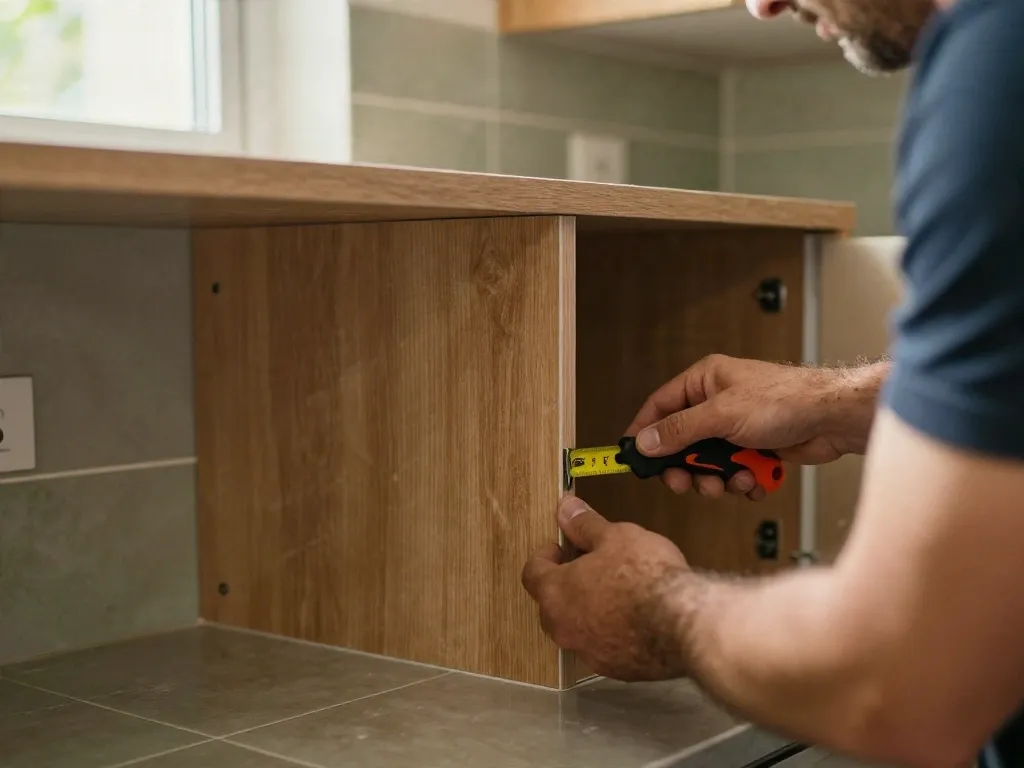
Kitchen remodels are among the most sought-after home improvement projects, yet they frequently exceed their initial budgets. Understanding the reasons behind this common issue can help homeowners plan better and make informed decisions. In this article, we will explore the key factors that contribute to kitchen remodels going over budget, including underestimating material costs, changes in project scope, lack of detailed planning, labor costs, and emotional spending.
Underestimating Material Costs
One of the primary reasons kitchen remodels go over budget is the underestimation of material costs. Homeowners often have a vision of their dream kitchen but fail to account for the actual costs associated with the materials they choose. This section breaks down the various elements contributing to material cost overruns.
The Impact of Quality Choices
When planning a kitchen remodel, many homeowners opt for high-quality materials to enhance aesthetics and durability. While this is commendable, it often leads to overspending. For example, a homeowner may choose quartz countertops priced at $75 per square foot instead of laminate at $20 per square foot. If the kitchen requires 40 square feet of countertop, the cost difference amounts to $2,200. Thus, the choice of high-quality materials can significantly impact the overall budget.
Hidden Costs of Shipping and Delivery
In addition to the base price of materials, shipping and delivery costs can catch homeowners off guard. Many suppliers charge hefty fees for delivery, especially for large items like cabinets or appliances. For instance, a delivery fee could range from $100 to $500, depending on the distance and weight of the items. Furthermore, delays in delivery may necessitate last-minute purchases from local retailers, further inflating costs.
Price Fluctuations in the Market
The construction market is subject to price fluctuations for various reasons, including supply chain issues and demand spikes. For example, during the COVID-19 pandemic, lumber prices soared by more than 300%, significantly impacting remodeling budgets. Homeowners who fail to factor in these potential price changes may find themselves unprepared and overspending when it comes time to purchase materials.
Changes in Project Scope
Another frequent reason for budget overruns is changes in the project scope. As the remodel progresses, homeowners may realize that their initial vision is either too ambitious or insufficiently detailed, leading to additional costs.
Homeowner Wish Lists vs. Budget Reality
Homeowners often start with an extensive wish list that may not align with their budget. For instance, a homeowner may desire a complete kitchen overhaul, including new cabinets, countertops, floors, and appliances. However, the reality is that such extensive renovations can quickly exceed a budget of $20,000. When faced with this discrepancy, homeowners may opt to add features or upgrades mid-project, leading to further budget increases.
Unexpected Structural Modifications
During a remodel, unexpected structural modifications may arise, such as discovering outdated wiring or plumbing that needs to be updated. For instance, if a homeowner plans to move a sink but finds that the existing plumbing is inadequate, the cost of rerouting pipes can add thousands to the bill. Such unforeseen expenses can derail even the most carefully crafted budget.
Design Changes During Construction
As the construction process unfolds, homeowners may become dissatisfied with certain aspects of the design and request changes. For example, a homeowner might initially select a particular cabinet finish but later decide to switch to a different color. This change can lead to additional costs, as custom orders may incur extra fees or restocking charges, not to mention potential delays in the project timeline.
Lack of Detailed Planning
A lack of detailed planning is another critical factor contributing to kitchen remodels going over budget. Many homeowners underestimate the importance of thorough preparation before beginning a project.
Importance of a Comprehensive Budget
A comprehensive budget should account for all aspects of a kitchen remodel, including materials, labor, permits, and unexpected expenses. Unfortunately, many homeowners create a rough estimate without breaking down each element. For instance, a homeowner may allocate $15,000 for a kitchen remodel without specifying how much will go toward cabinets, countertops, and appliances. This lack of detail can lead to overspending in specific areas, resulting in a budget that quickly spirals out of control.
Consequences of Incomplete Project Specifications
When project specifications are incomplete, it can lead to confusion and miscommunication between homeowners and contractors. For example, if a homeowner fails to specify the type of backsplash they want, the contractor may choose a more expensive option, leading to unanticipated costs. Clear and detailed specifications can help prevent such issues and keep the project within budget.
Overlooking Permits and Regulations
Many homeowners underestimate the costs associated with permits and regulations required for a kitchen remodel. Depending on the scope of the project, permits may be necessary for plumbing, electrical work, or structural changes. Costs for permits can range from a few hundred to several thousand dollars, depending on local regulations. Failing to budget for these expenses can lead to significant financial strain during the remodel.
Labor Costs and Contractor Issues
Labor costs are another major contributor to kitchen remodel budget overruns. Homeowners may not fully understand the complexities of labor costs or may choose the wrong professionals for their project.
The Risks of Hiring Unqualified Labor
Choosing unqualified or inexperienced labor can lead to subpar work, requiring additional funds to correct mistakes. For instance, if a contractor installs cabinets incorrectly, the homeowner may need to spend extra money to fix the installation or even replace the cabinets entirely. Hiring reliable, qualified contractors may initially seem expensive, but it can save homeowners from costly mistakes down the line.
Unanticipated Overtime and Delays
Delays in construction can lead to unanticipated overtime costs. For example, if a project takes longer than expected due to unforeseen complications, contractors may charge extra for the additional time spent on the job. Homeowners should be prepared for the possibility of overtime costs and factor them into their budget to avoid surprises.
Negotiating Contracts and Change Orders
Negotiating contracts can be a tricky process, and misunderstandings can lead to budget overruns. Homeowners may not fully grasp the implications of change orders, which are modifications to the original contract that can result in additional charges. For instance, if a homeowner decides to upgrade their appliances mid-remodel, the contractor may issue a change order that increases the overall cost. It is essential for homeowners to carefully review and understand all contract terms to avoid unexpected expenses.
Emotional Spending and Impulse Decisions
Emotional spending is another factor that can lead to budget overruns during kitchen remodels. The excitement of renovation can lead homeowners to make impulsive decisions that deviate from their original plans.
The Psychology of Home Renovation
The emotional aspect of home renovation can cloud judgment, leading homeowners to make decisions based on feelings rather than practicality. For example, a homeowner might fall in love with a high-end appliance that significantly exceeds their budget and choose to purchase it anyway. Such emotional spending can derail a carefully planned budget and result in financial strain.
Influence of Design Trends and Fads
Design trends can also play a significant role in budget overruns. Homeowners may be influenced by the latest trends and feel compelled to incorporate them into their remodel, even if they were not part of the original plan. For instance, the popularity of open shelving may entice a homeowner to replace their existing cabinetry, leading to additional costs. Staying informed about trends is essential, but homeowners should prioritize their personal style and budget over fleeting fads.
Managing Expectations vs. Reality
Finally, managing expectations versus reality is crucial in preventing budget overruns. Homeowners may have grand visions of their dream kitchen that do not align with their financial reality. It is vital to set realistic goals and expectations early in the planning process to avoid disappointment and potential overspending. Creating a vision board can help homeowners visualize their desires while remaining grounded in what is financially feasible.
Conclusion
Understanding the reasons why kitchen remodels often exceed budget can help homeowners navigate the complexities of renovation projects more effectively. By being aware of material costs, changes in project scope, the importance of detailed planning, labor costs, and emotional spending, homeowners can create a more accurate budget and achieve their dream kitchen without breaking the bank. Ultimately, careful planning, clear communication, and a grounded approach to design can lead to a successful and budget-friendly kitchen remodel.



Comments
No comments yet.
Leave a comment