
Understanding R-Values and Their Importance
Definition of R-Value
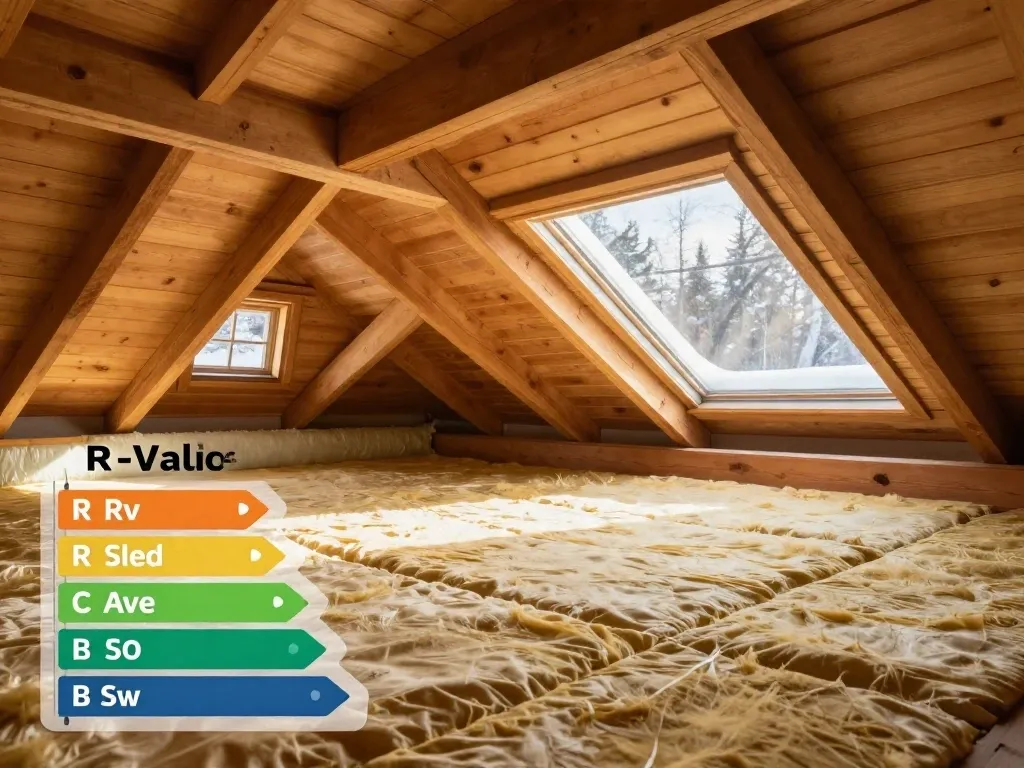
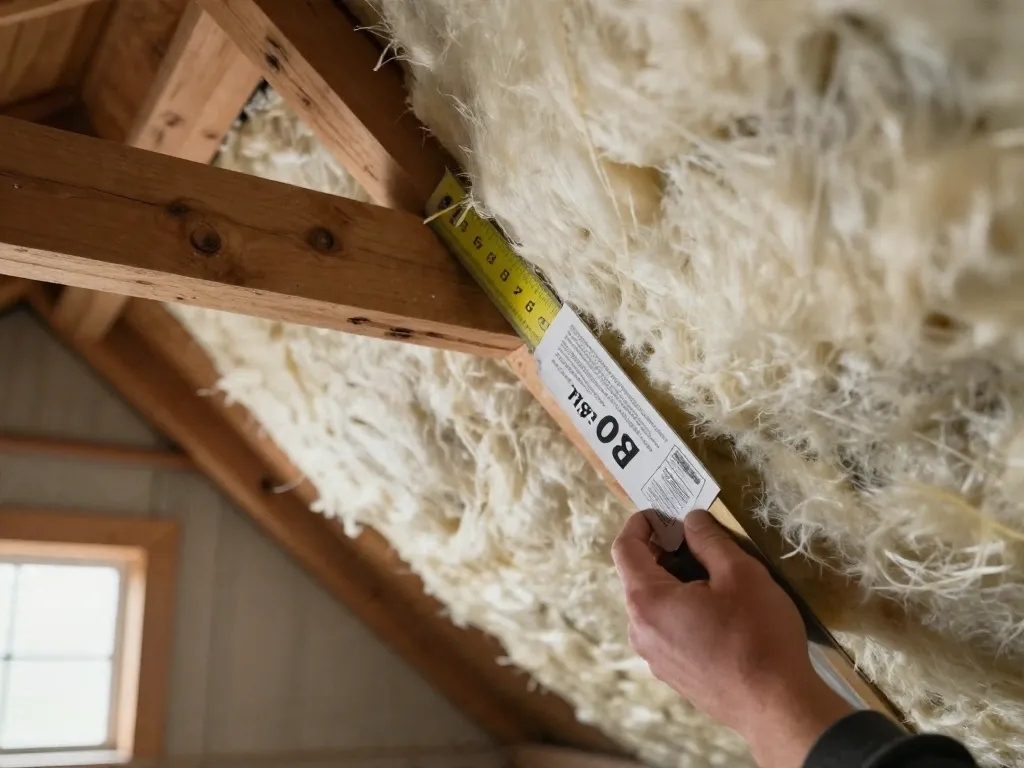
The R-value is a measure of thermal resistance, which indicates how well a material can resist heat flow. In the context of attic insulation, a higher R-value signifies better insulating properties, meaning that it will effectively reduce the amount of heat loss in winter and heat gain in summer. R-values are crucial when assessing insulation options, as they provide a standardized way to compare the effectiveness of different materials.
How R-Values Affect Energy Efficiency
Energy efficiency is directly related to the R-value of insulation. Homes with adequate insulation can maintain a consistent indoor temperature, leading to reduced energy consumption for heating and cooling. For instance, a well-insulated attic with an R-value of 38 may reduce energy bills by up to 20% compared to one with an R-value of 20. This not only saves homeowners money but also contributes to lower carbon emissions. The Department of Energy recommends specific R-values based on climate zones to optimize energy use effectively.
Common Misconceptions About R-Values
Many homeowners mistakenly believe that higher R-values are always better, irrespective of their climate. While a high R-value can be beneficial, it is essential to choose an R-value that corresponds to the local climate conditions. Another common misconception is that R-values are only relevant for new constructions; however, retrofitting existing insulation can significantly impact energy efficiency and comfort.
Climate Zones and Their Characteristics
Overview of Climate Zone Classifications
The United States is divided into several climate zones, each characterized by distinct temperature ranges, humidity levels, and seasonal variations. The Energy Star program categorizes these zones into eight primary classifications, ranging from Zone 1 (hot, humid) to Zone 8 (cold, very cold). Understanding these zones is crucial for determining the appropriate insulation R-values for attics.
Key Characteristics of Each Climate Zone
- Zone 1: Hot, humid areas such as southern Florida, requiring lower R-values due to less heating demand.
- Zone 2: Warm, humid regions like parts of Texas, with moderate heating needs.
- Zone 3: Mixed-humid areas such as the southeastern U.S., requiring balanced insulation.
- Zone 4: Mixed-dry and humid regions, including much of the Midwest, needing higher R-values.
- Zone 5: Cool areas like northern Illinois, which demand significant insulation for both heating and cooling.
- Zone 6: Cold regions such as New England, where high R-values are critical for energy efficiency.
- Zone 7: Very cold areas, including parts of the northern Rockies, necessitating very high insulation levels.
- Zone 8: Extremely cold regions like Alaska, requiring the highest R-values due to severe winter conditions.
Impact of Climate on Insulation Needs
Climate plays a significant role in determining the appropriate R-value for attic insulation. For instance, homes in Zone 1 may only require an R-value of 30, while those in Zone 8 might need upwards of R-60. The temperature differences, frequency of extreme weather, and the local cost of energy all influence these requirements. Moreover, humid climates may also require vapor barriers to prevent moisture issues, which can affect insulation effectiveness.
Matching R-Values to Climate Zones
Recommended R-Values for Different Zones
The following table outlines the recommended attic insulation R-values for various climate zones:
Climate Zone
Recommended R-Value
Zone 1
R-30
Zone 2
R-30 to R-38
Zone 3
R-38 to R-49
Zone 4
R-38 to R-60
Zone 5
R-49 to R-60
Zone 6
R-49 to R-60
Zone 7
R-60
Zone 8
R-60+
Factors Influencing R-Value Requirements
Several factors can influence the R-value requirements for attic insulation, including:
- Home Orientation: Homes facing extreme weather conditions may require higher R-values to maintain comfort.
- Roof Design: Complex roof designs may have additional thermal bridging, necessitating increased insulation.
- Air Leakage: Unsealed gaps and cracks can significantly affect overall energy efficiency, requiring higher R-values to compensate.
- Local Energy Costs: High heating or cooling costs may prompt homeowners to invest in higher R-values to save money in the long run.
Case Studies of R-Value Applications in Various Zones
Consider a typical home in Zone 5, where the recommended R-value is between R-49 and R-60. A homeowner in Chicago, using fiberglass batts rated at R-38, found that their energy bills remained high during winter months. After consulting with an insulation expert, they upgraded their insulation to R-60, resulting in a 25% reduction in energy costs. Conversely, a homeowner in Miami (Zone 1) installed R-30 insulation and found it sufficient for their needs, with no significant increase in energy bills.
Choosing the Right Insulation Material
Types of Insulation Materials and Their R-Values
Several insulation materials are available, each with different R-values per inch of thickness:
- Fiberglass Batt Insulation: Typically offers R-3.1 to R-4.3 per inch. It’s a popular choice for cost and effectiveness.
- Cellulose Insulation: Made from recycled paper, it provides R-3.2 to R-3.8 per inch and is effective for soundproofing.
- Spray Foam Insulation: Offers R-6.5 to R-7.0 per inch, ideal for sealing gaps but is generally more expensive.
- Mineral Wool (Rock Wool): Typically provides R-3.0 to R-3.7 per inch and offers excellent fire resistance.
Cost-Effectiveness of Different Insulation Options
When selecting insulation materials, cost-effectiveness is a key consideration. Fiberglass batts are among the least expensive options, with an average cost of $0.50 to $1.00 per square foot. However, while spray foam is pricier at $1.00 to $3.00 per square foot, it provides superior insulation and air sealing. Homeowners must weigh the initial investment against potential long-term savings on energy bills. For instance, investing in higher R-value materials can lead to a quicker return on investment in energy savings.
Environmental Considerations in Material Selection
When choosing insulation materials, environmental impact should also be taken into account. Recycled materials, such as cellulose, have a lower carbon footprint compared to virgin materials. Additionally, some insulation options, like spray foam, may contain chemicals that could harm indoor air quality. Homeowners should seek products with low VOC (volatile organic compounds) emissions and consider certifications such as GreenGuard or Energy Star to ensure eco-friendliness.
Installation Tips for Optimal R-Value Performance
Best Practices for Attic Insulation Installation
Proper installation is critical for maximizing the R-value of attic insulation. Here are some best practices:
- Seal Air Leaks: Before insulation installation, seal any gaps, cracks, or holes in the roof and walls to prevent air leakage.
- Use Vapor Barriers: In humid climates, install a vapor barrier to prevent moisture accumulation in insulation.
- Maintain Proper Ventilation: Ensure adequate airflow in the attic to prevent moisture buildup and maintain insulation effectiveness.
- Follow Manufacturer Guidelines: Always adhere to the manufacturer's specifications for installation, including thickness and coverage.
Common Mistakes to Avoid During Installation
Homeowners should be aware of common pitfalls during insulation installation:
- Overlapping Insulation: Overlapping insulation can create thermal bridges rather than improve performance.
- Insufficient Coverage: Failing to cover the entire area can lead to cold spots and reduce overall efficiency.
- Ignoring Existing Insulation: Not assessing the current insulation before adding new material can lead to ineffective layering.
Maintenance Tips for Long-Lasting Insulation Effectiveness
To ensure long-lasting insulation effectiveness, homeowners should perform regular maintenance:
- Inspect for Moisture: Check for signs of moisture or mold, especially in humid climates, and address any leaks promptly.
- Check for Pest Infestations: Rodents and insects can damage insulation; regular inspections can help identify issues early.
- Reassess Insulation Every Few Years: As homes settle and age, it’s essential to evaluate insulation effectiveness and make necessary upgrades.

Comments
No comments yet.
Leave a comment