
Signs Your Septic System May Be Failing: What to Look For
Septic systems are essential for homes not connected to a municipal sewer system. They handle waste disposal and play a crucial role in maintaining a clean and healthy environment. However, like any system, they can fail. Understanding the signs of septic system failure can help you address issues before they become more serious and costly. This comprehensive article will outline the key indicators that your septic system may be failing.
Unpleasant Odors Around Your Property
Identifying Sewage Smells
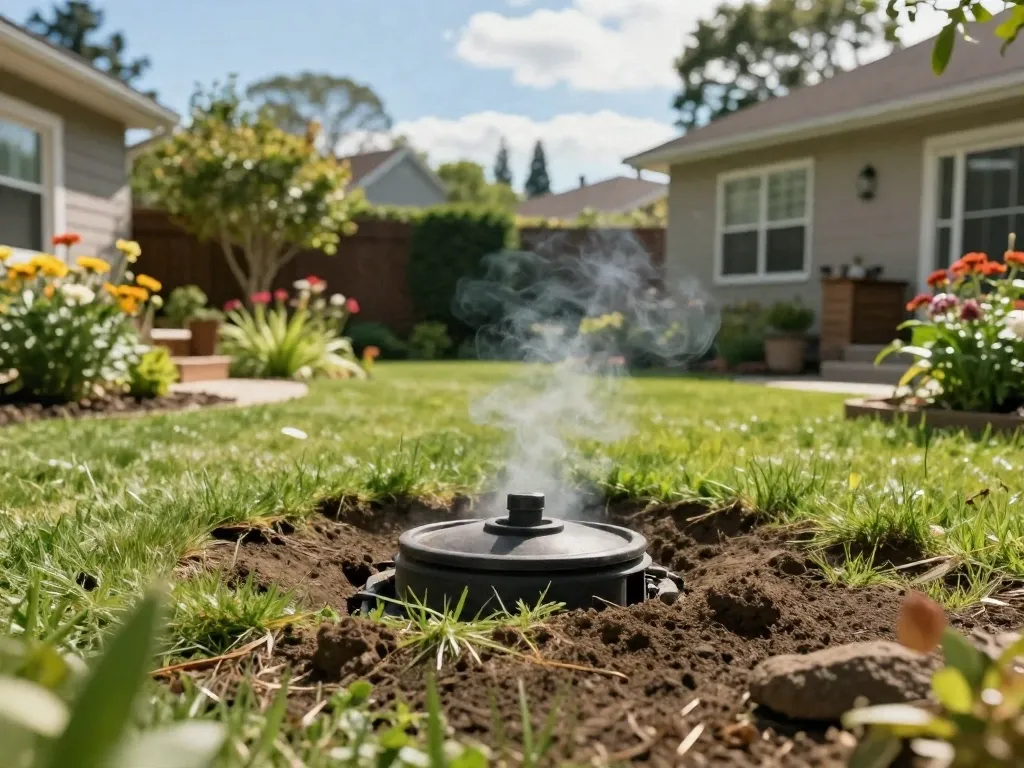
One of the most noticeable signs of a failing septic system is the presence of unpleasant odors around your property. If you begin to smell sewage, it can indicate that your septic tank is full, leaking, or otherwise malfunctioning. These odors are often strongest near the tank or drain field.
Potential Sources of Odors
- Clogs in the Septic System: A blockage can cause waste to back up, leading to odors escaping from the system.
- Leaking Septic Tank: If the tank is cracked or damaged, sewage can leak into the surrounding soil, creating a foul smell.
- Ventilation Issues: Septic systems have vents to allow gases to escape. If these vents are blocked, it can cause odors to build up.
When to Seek Professional Help
If you notice persistent sewage smells around your property, it's crucial to contact a septic system professional. They can assess the situation, identify the source of the odors, and recommend appropriate solutions, which may include pumping the tank, repairing leaks, or addressing ventilation issues.
Slow Drains and Backups
Understanding Drainage Issues
Slow drains and frequent backups are common indicators of septic system failure. When the system is not functioning correctly, waste cannot flow freely through pipes, leading to sluggish drainage in sinks, toilets, and showers.
Common Signs of Slow Drains
- Multiple Fixture Issues: If several drains are slow or clogged, it may indicate a problem with the septic system rather than just individual fixtures.
- Gurgling Sounds: Unusual noises from the plumbing can signal air trapped in the system due to clogs or backups.
- Frequent Clogs: If you find yourself constantly using a plunger or drain cleaner, it may be time to evaluate your septic system.
Linking Backups to Septic Problems
Backups can be a clear sign of a failing septic system. When waste cannot flow into the tank or drain field, it will often come back up into your home through toilets or drains. This is not only inconvenient but can also pose health risks due to exposure to sewage.
Pooling Water and Wet Spots
Recognizing Unusual Water Accumulation
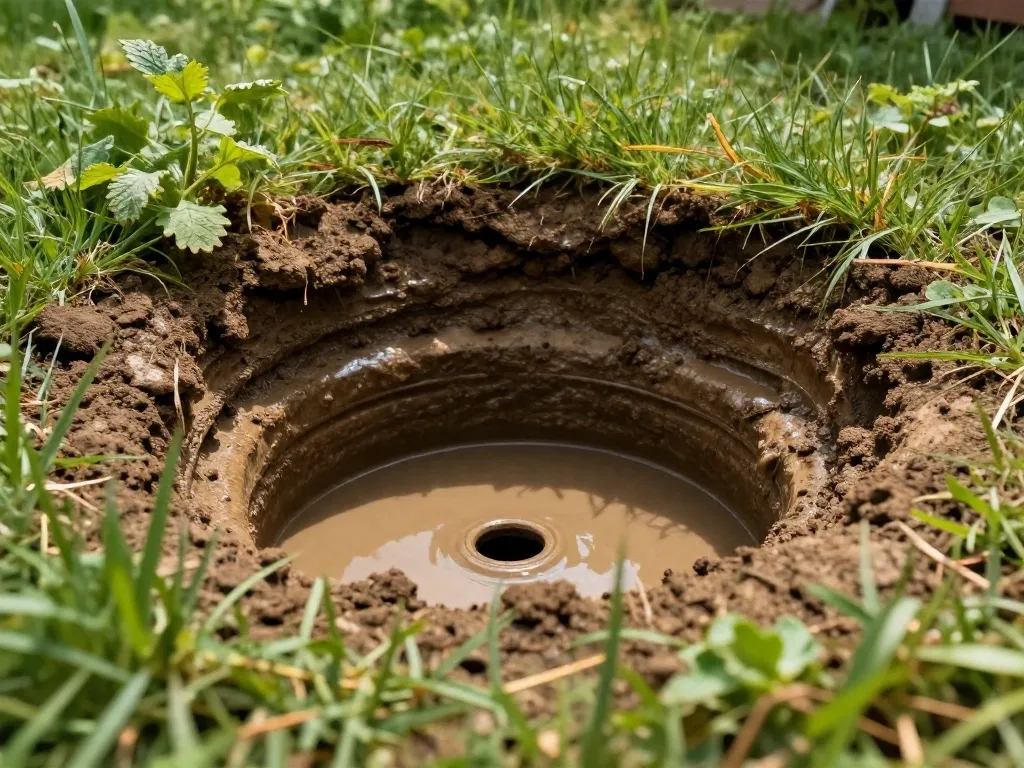
Pooling water or wet spots in your yard can be a significant indicator of septic system failure. These issues often occur when the drain field cannot absorb wastewater properly, leading to surface leakage.
Impact of Wet Spots on Your Lawn
Not only are wet spots unsightly, but they can also lead to further problems. Excess water can kill grass and other vegetation, creating patches of dead or dying grass. In some cases, the constant moisture can attract pests, such as mosquitoes, which thrive in stagnant water.
Evaluating Drain Field Health
If you notice pooling water, it's essential to evaluate the health of your drain field. A professional septic system inspector can assess the situation and determine if you need repairs, such as replacing the drain field or fixing blockages.
Changes in Lawn Health
Indicators of Lawn Overgrowth
Interestingly, a failing septic system can sometimes lead to unexpected overgrowth in your lawn. If you notice that certain areas of your yard are lush and green while others are struggling, this could indicate a leak in the septic system, which is providing excess nutrients to the soil.
Dead or Discolored Grass Areas
Conversely, if your lawn has patches of dead or discolored grass, it could also be a sign of septic system issues. Over-saturation from a leaking septic tank can drown grass roots, leading to death in specific areas.
Effects of Septic Leaks on Vegetation
Septic leaks can have a significant impact on vegetation. While some areas may thrive, others may suffer, creating an uneven lawn that indicates underlying issues with your septic system. Regular monitoring of your lawn's health can help you catch these signs early.
Increased Frequency of Pumping
Understanding Pumping Intervals
Septic tanks typically require pumping every three to five years, depending on the size of the tank and the number of occupants in the home. However, if you find yourself needing to pump your septic tank more frequently, it may indicate a problem.
Signs Your System Needs More Attention
- Frequent Pumping: If you are pumping your tank more than once a year, it might be a sign of an underlying issue.
- Unusual Usage Patterns: If you have added new occupants or increased water usage, evaluate your system to ensure it can handle the load.
- Clogs and Backups: Frequent backups can lead to the need for additional pumping, indicating the system is not functioning correctly.
Long-Term Implications of Frequent Pumping
Consistently needing to pump your septic system can lead to long-term issues. Over time, this can cause wear and tear on the system, resulting in costly repairs or even complete system failure. Regular maintenance and monitoring are essential to prevent these issues.
In conclusion, being vigilant about the signs of septic system failure can save you significant time, money, and hassle. If you notice any of the signs discussed in this article, it is vital to seek professional assistance promptly. Early intervention is key to ensuring your septic system remains functional and your property stays safe and healthy.



Comments
No comments yet.
Leave a comment