
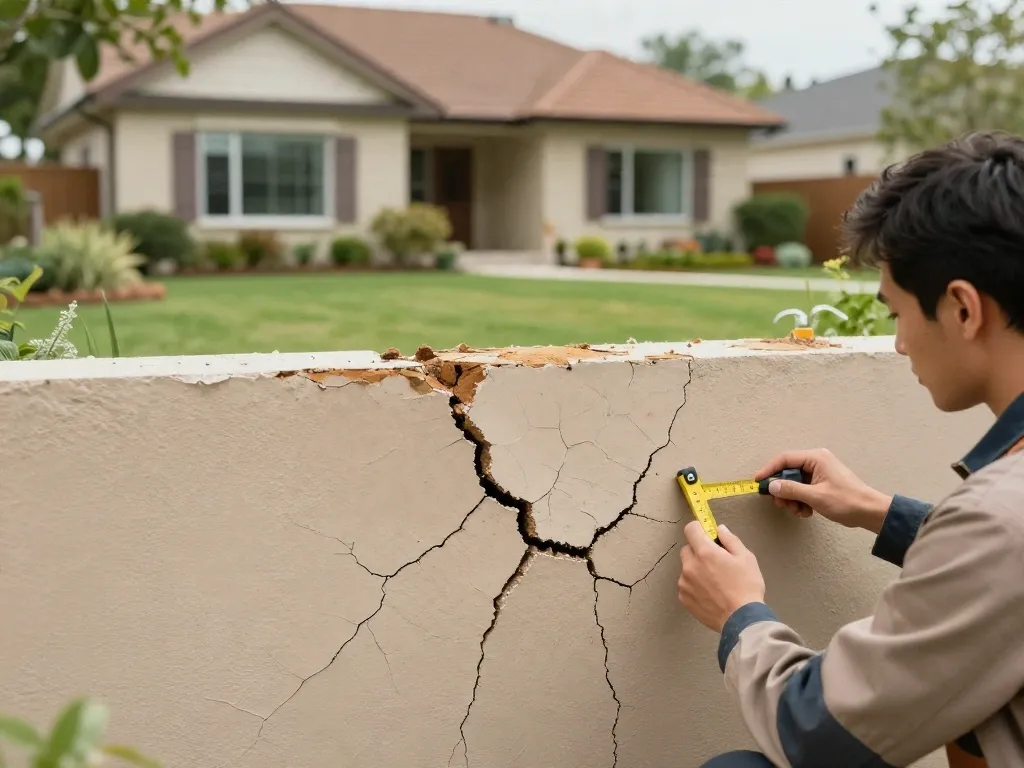
Understanding Foundation Cracks: Types and Causes
Foundation cracks are common occurrences in buildings, and understanding their types and causes is crucial for effective assessment. Not all cracks indicate severe structural issues, but some can pose serious risks to the integrity of your home.
Common Types of Foundation Cracks
Foundation cracks can be categorized into several types, each indicating different levels of severity and potential causes:
- Vertical Cracks: These are the most common type and usually occur due to normal settling. They typically run up and down the wall and are often less severe unless they widen beyond 1/8 inch.
- Horizontal Cracks: These can indicate serious structural issues, particularly if they are wide (over 1/2 inch) and associated with soil pressure or water accumulation.
- Diagonal Cracks: These can occur at the corners of windows or doors and may indicate uneven settling. The severity often correlates with the width of the crack.
- Stair-Step Cracks: Commonly found in brick or block foundations, these cracks follow the mortar joints and can signal significant foundation movement.
Causes of Foundation Cracks
Several factors can contribute to the development of foundation cracks:
- Soil Movement: Expansive clay soils can shrink and swell, applying pressure on the foundation.
- Water Damage: Poor drainage systems lead to water accumulation around the foundation, causing it to shift and crack.
- Temperature Fluctuations: Extreme heat or cold can cause materials to expand or contract, leading to cracks.
- Tree Roots: Roots can absorb moisture and cause soil shrinkage, leading to foundation movement.
- Improper Construction: If the foundation is not built according to specifications or if inferior materials are used, cracks are more likely to develop.
Indicators of Severity Based on Crack Type
The severity of foundation cracks can often be assessed based on their type and characteristics:
- Vertical Cracks: Generally less severe, but if wider than 1/8 inch, they may signal underlying issues.
- Horizontal Cracks: A significant concern; immediate evaluation is necessary if they exceed 1/2 inch.
- Diagonal Cracks: Widths over 1/4 inch warrant further inspection, particularly if they are increasing.
- Stair-Step Cracks: These require close attention, especially if they are progressing or accompanied by other signs of foundation distress.
Tools and Techniques for Measuring Crack Severity
Accurate assessment of foundation cracks requires appropriate tools and techniques. Whether you are a homeowner or a professional, knowing how to measure cracks effectively is essential.
Essential Tools for Crack Assessment
A variety of tools can facilitate an accurate assessment of foundation cracks:
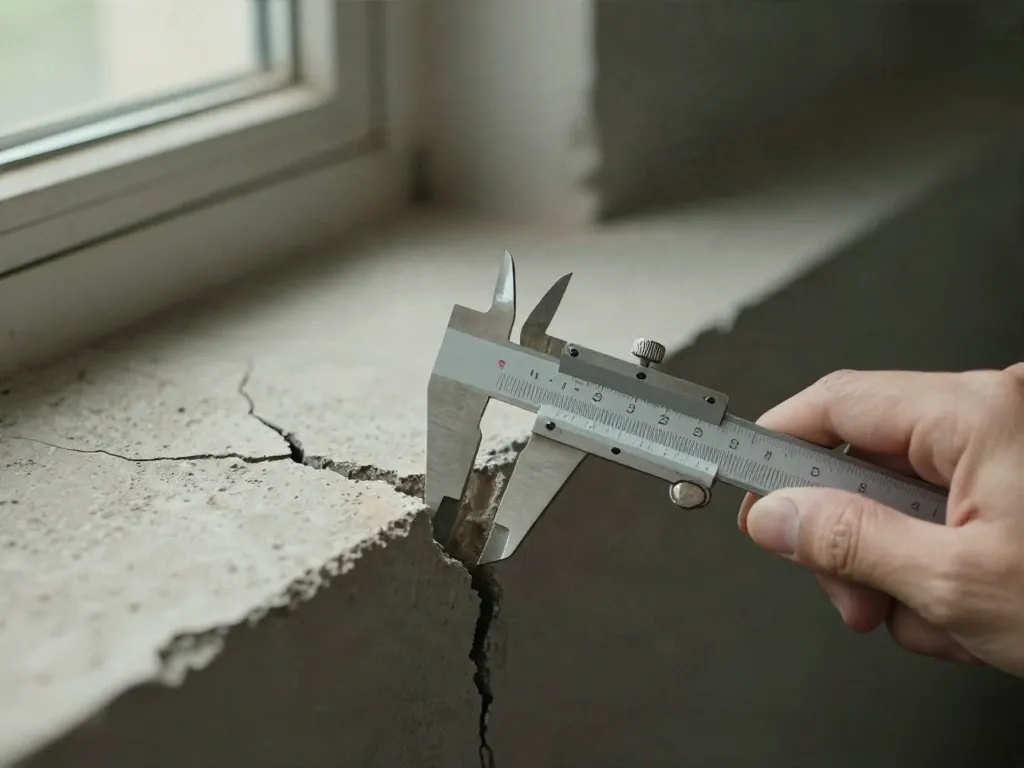
- Calipers: Useful for measuring the width of cracks precisely.
- Ruler or Tape Measure: Handy for measuring both the width and length of cracks.
- Digital Level: Helps assess any tilting or uneven settling of the foundation.
- Crack Monitors: Devices that can track changes in crack width over time.
- Camera: Documenting cracks with photographs can provide visual evidence for future evaluations.
Measuring Techniques: Visual Inspection vs. Tools
While visual inspection can provide a preliminary assessment, employing tools enhances accuracy.
- Visual Inspection: Start with a thorough visual examination to identify crack types and locations. Note any associated symptoms like water stains or mold growth.
- Tool-Assisted Measurement: Use calipers or rulers for precise measurements of crack width and depth. For serious cases, consider a laser level to gauge foundation movement.
Documenting Measurements for Future Reference
Keeping a record of measurements over time is essential for monitoring crack progression:
- Log Measurements: Create a spreadsheet to note dates, measurements, and observations.
- Photographic Documentation: Regularly take photos to visually track changes.
- Comparative Analysis: Review historical data to identify trends or escalating issues, which can help in assessing when expert intervention is necessary.
Visual Indicators of Foundation Crack Severity
Visual indicators play a crucial role in assessing the severity of foundation cracks. Understanding what to look for can make a significant difference in evaluating potential risks.
Crack Width and Depth Analysis
The width and depth of a crack are primary indicators of its severity:
- Width: Generally, cracks wider than 1/8 inch may require additional investigation. Horizontal cracks over 1/2 inch are particularly concerning.
- Depth: A crack that is deep enough to penetrate the full thickness of a wall indicates a more severe issue than superficial cracks.
Crack Pattern Recognition
Recognizing crack patterns can provide insights into underlying issues:
- Vertical Patterns: Usually signify settling but can indicate a need for inspection if they become excessive.
- Horizontal Patterns: Often associated with soil pressure or water damage, which may warrant immediate attention.
- Diagonal and Stair-Step Patterns: These patterns can indicate uneven settling and may suggest structural problems.
Assessing Surrounding Areas for Damage
Cracks do not exist in isolation; assessing the surrounding areas can provide context:
- Check for Other Symptoms: Look for water stains, mold, or bulging walls nearby.
- Inspect for Soil Erosion: Areas around the foundation should be assessed for any signs of soil movement or erosion.
- Observe Door and Window Functionality: Sticking doors or windows may indicate that the foundation is shifting, necessitating further evaluation.
Impact of Environmental Factors on Crack Severity
Environmental factors can greatly influence the severity of foundation cracks. Understanding these influences can aid in both prevention and assessment.
Soil Conditions and Settlement Issues
Soil type and condition play a critical role in foundation stability:
- Expansive Clay: This type of soil can swell when wet and shrink when dry, leading to significant foundation movement.
- Poor Drainage: If water is not properly directed away from the foundation, it can lead to soil erosion and increased pressure on the foundation.
- Load-Bearing Capacity: The type of soil affects its ability to support the foundation weight. Soil that cannot bear the load may lead to cracking.
Weather Effects on Foundation Integrity
Weather conditions can exacerbate existing cracks or lead to new ones:
- Heavy Rain: Excessive moisture can saturate the soil, leading to shifts in the foundation.
- Extreme Heat: High temperatures can cause soil to dry out and shrink, resulting in foundation settling.
- Freezing Temperatures: Frost heave can cause the ground to expand, pushing against the foundation and leading to cracks.
Seasonal Changes and Their Influence on Cracks
Seasonal changes can significantly impact the integrity of a foundation:
- Winter: Freezing and thawing cycles can exacerbate cracks, especially if water has penetrated.
- Spring and Fall: Seasonal rains can saturate soil and lead to swelling, increasing the risk of foundation movement.
- Summer: Extended dry periods can cause soil shrinkage and foundation settling, leading to new cracks.
Professional Assessment: When to Seek Help
While many homeowners can assess minor cracks, knowing when to seek professional help is crucial for ensuring the safety and integrity of your home.
Signs That Require Expert Evaluation
Certain signs indicate that a professional assessment is necessary:
- Cracks Wider than 1/2 Inch: Particularly horizontal cracks require immediate professional evaluation.
- Multiple Cracks: The simultaneous presence of different types of cracks can indicate serious underlying issues.
- Changes Over Time: Any cracks that appear to be worsening or expanding need expert attention.
- Associated Symptoms: Water intrusion, mold growth, or structural misalignment necessitate professional evaluation.
Choosing the Right Foundation Specialist
Selecting an appropriate foundation specialist can make a significant difference:
- Check Credentials: Ensure the specialist is licensed and insured, with a strong background in foundation repair.
- Ask for References: Speak with previous clients to gauge their satisfaction and the effectiveness of the repairs.
- Get Multiple Estimates: Comparing quotes can help ensure you are getting a fair price for the work needed.
Understanding Assessment Reports and Recommendations
Once a professional assessment is completed, understanding the report is vital:
- Crack Analysis: The report should detail crack types, widths, and potential causes.
- Recommended Repairs: Pay close attention to suggested repairs, timelines, and costs associated with them.
- Long-term Monitoring: Some reports will suggest ongoing monitoring, which can be vital for preventing future issues.

Comments
No comments yet.
Leave a comment