
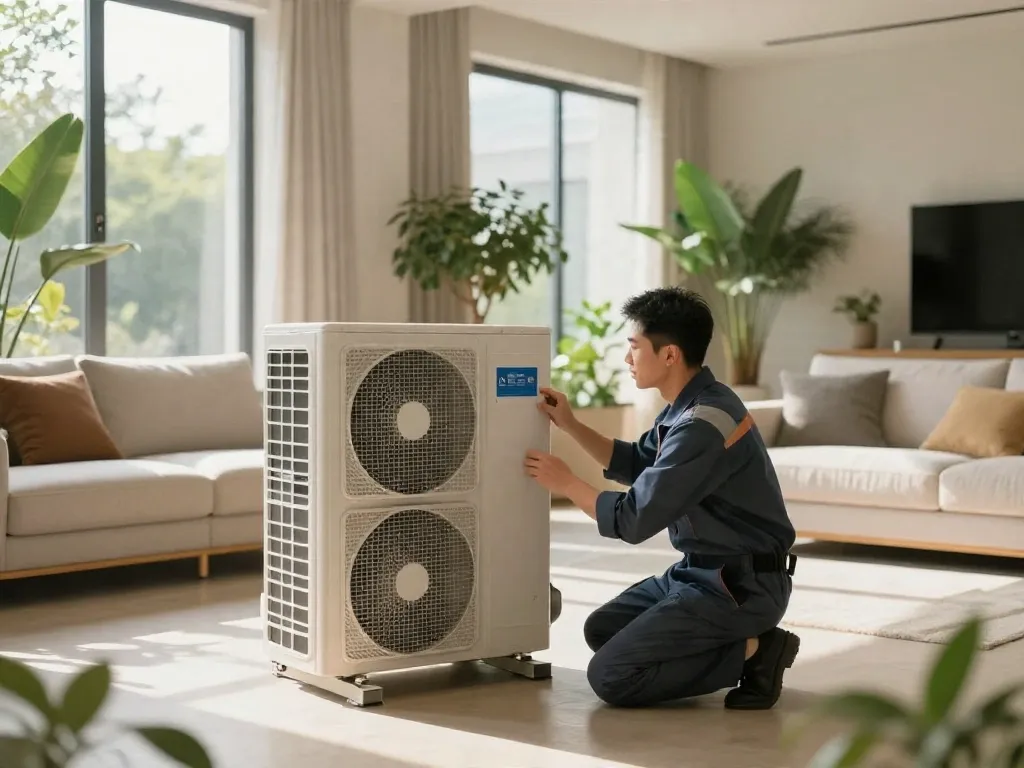
The Importance of Proper HVAC Sizing
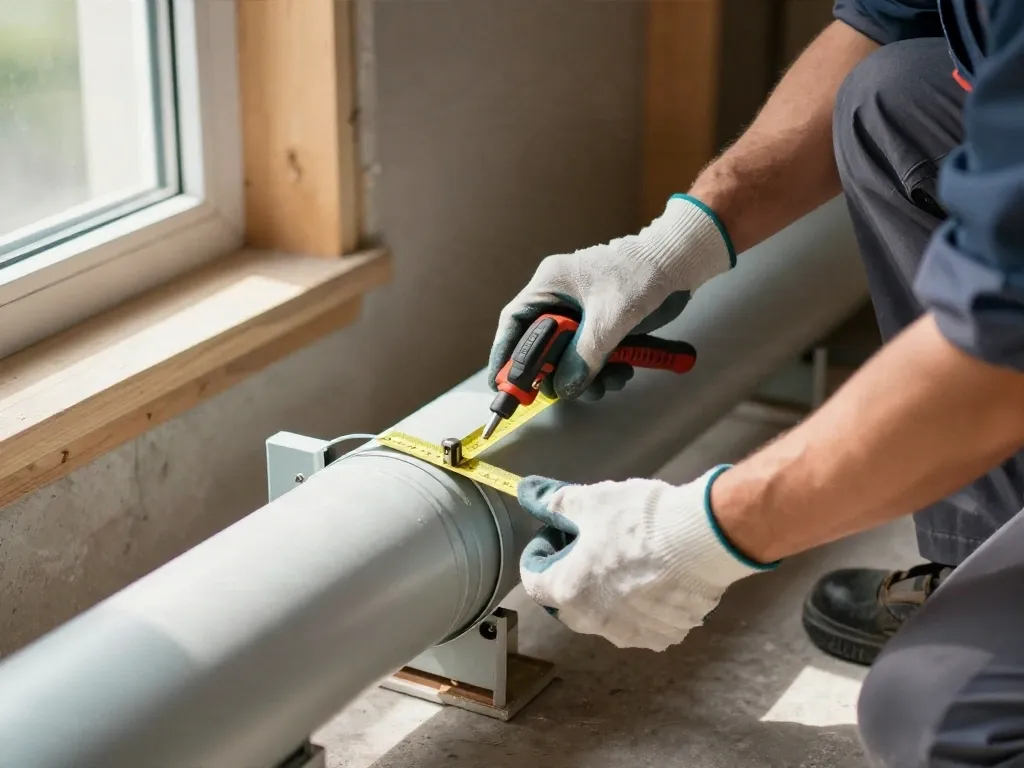
Understanding HVAC Systems
Heating, Ventilation, and Air Conditioning (HVAC) systems play a crucial role in maintaining indoor comfort across residential and commercial spaces. These systems are designed to regulate temperature, humidity, and air quality, ensuring a comfortable environment year-round. However, the effectiveness of an HVAC system significantly depends on its proper sizing. An appropriately sized system can efficiently heat or cool a space, while an improperly sized system can lead to numerous issues, one of the most problematic being short cycling.
Consequences of Incorrect Sizing
When an HVAC system is incorrectly sized, it can lead to various negative consequences. An oversized system may cool or heat a space too quickly, failing to properly dehumidify the air. Conversely, an undersized system struggles to maintain the desired temperature, leading to continuous operation. Both scenarios can cause the system to short cycle—turning on and off rapidly, which can lead to increased wear and tear, higher energy bills, and an uncomfortable environment.
Benefits of Proper Sizing
On the other hand, proper HVAC sizing ensures that the system operates smoothly and efficiently. Benefits of correctly sized HVAC units include:
- Improved Comfort: Properly sized systems provide consistent temperatures, reducing hot or cold spots within your space.
- Energy Efficiency: A well-sized HVAC unit consumes less energy, leading to lower utility bills.
- Reduced Wear and Tear: When a system runs optimally, it experiences less strain, prolonging its lifespan.
Identifying Short Cycling in HVAC Systems
Signs and Symptoms of Short Cycling
Short cycling is characterized by the frequent on-and-off cycling of an HVAC system. Common signs of short cycling include:
- Inconsistent temperatures throughout the home.
- Increased energy bills despite similar usage patterns.
- Frequent system noises, such as clicking or banging, as the unit shuts off and starts up again.
- Increased humidity levels, particularly during cooling seasons.
Common Causes of Short Cycling
Several factors can lead to short cycling in HVAC systems:
- Improper Sizing: As discussed, an oversized unit can lead to rapid cycling.
- Thermostat Issues: Malfunctioning thermostats may incorrectly signal the HVAC system to turn off prematurely.
- Airflow Restrictions: Dirty filters or blocked ducts can impede airflow, causing systems to shut down to prevent overheating.
- Electrical Problems: Faulty wiring or electrical components can disrupt the system’s power supply.
Impact on Energy Efficiency
Short cycling significantly impacts energy efficiency. When an HVAC system frequently turns on and off, it consumes more energy than necessary. For example, according to the U.S. Department of Energy, an HVAC system can use up to 30% more energy when it short cycles, leading to increased utility costs. Additionally, the wear on components due to constant cycling can lead to the need for repairs or replacements, compounding the financial impact.
How HVAC Sizing Influences Cycling Performance
Relationship Between Size and Efficiency
The size of an HVAC system directly influences its efficiency and performance. An oversized system may cool or heat a space quickly but will not run long enough to remove excess humidity, leading to discomfort. On the contrary, an undersized unit will run continuously but may not reach the desired temperature, leading to overworking the system and potential breakdowns. For example, a typical residential air conditioning unit might be rated at 2 tons (24,000 BTU) for a 1,200 square foot home; using an oversized unit, say 3 tons (36,000 BTU), could lead to short cycling.
Calculating the Right Size for Your Space
To avoid short cycling and ensure optimal performance, calculating the right size for your HVAC system is essential. This calculation typically involves assessing:
- The square footage of the area to be conditioned.
- The climate zone of the location.
- The home's insulation levels and airtightness.
- The number of windows and their efficiency.
- Occupancy levels and usage patterns.
Importance of Manual J Load Calculation
The Manual J Load Calculation is a standardized method developed by the Air Conditioning Contractors of America (ACCA) to determine the specific heating and cooling needs of a space. This calculation takes into account various factors like those mentioned above, providing a more accurate sizing recommendation. For instance, while a general rule of thumb might suggest 1 ton of cooling for every 400-600 square feet, a Manual J calculation might reveal that a specific home only requires 1.5 tons due to its energy-efficient windows and superior insulation. Utilizing this method can significantly reduce the risk of short cycling.
Preventative Measures Against Short Cycling
Regular Maintenance and Inspections
One of the most effective preventative measures against short cycling is regular maintenance and inspections. Homeowners should schedule annual HVAC check-ups with qualified technicians who can:
- Inspect and replace or clean filters.
- Check ductwork for leaks or blockages.
- Calibrate thermostats to ensure accuracy.
- Examine electrical connections for potential issues.
By proactively addressing these areas, homeowners can significantly reduce the risk of short cycling.
Upgrading to the Right System
If your HVAC system is older or inefficient, upgrading to a properly sized, modern unit can be a worthwhile investment. For example, systems with variable-speed compressors can adjust their output to match the current heating or cooling demand, reducing the likelihood of short cycling. Brands like Trane and Carrier offer systems with advanced technology designed to enhance efficiency and comfort.
Utilizing Smart Thermostats
Smart thermostats, such as the Nest Learning Thermostat or Ecobee SmartThermostat, can help optimize HVAC performance. These devices learn user behaviors and adjust settings accordingly, preventing unnecessary cycling. They also allow for remote monitoring and control, enabling homeowners to create schedules that align with their lifestyle, further reducing the risk of short cycling.
Long-Term Benefits of Proper HVAC Sizing
Enhanced Comfort Levels in Home
Proper HVAC sizing leads to improved comfort levels in the home. A well-sized system maintains a consistent temperature throughout the space, reducing the occurrence of hot and cold spots. For instance, a properly sized system ensures that every room in a 2,000 square foot home remains comfortable, even during extreme weather conditions.
Lower Utility Bills and Energy Consumption
In addition to comfort, proper sizing directly correlates with lower utility bills. An efficient HVAC system operates within its designed capacity, consuming less energy. For example, a homeowner with a correctly sized system might see a reduction of 20-30% in their monthly energy bills compared to someone with an oversized system experiencing short cycling.
Extended Lifespan of HVAC Equipment
Finally, properly sized HVAC systems experience less wear and tear, which translates to an extended lifespan for the equipment. While the average HVAC system lasts between 10 and 15 years, a system that operates efficiently due to proper sizing can last even longer. Regular maintenance and appropriate sizing can push the lifespan closer to 20 years, providing homeowners with more value for their investment.
Comments
No comments yet.
Leave a comment