
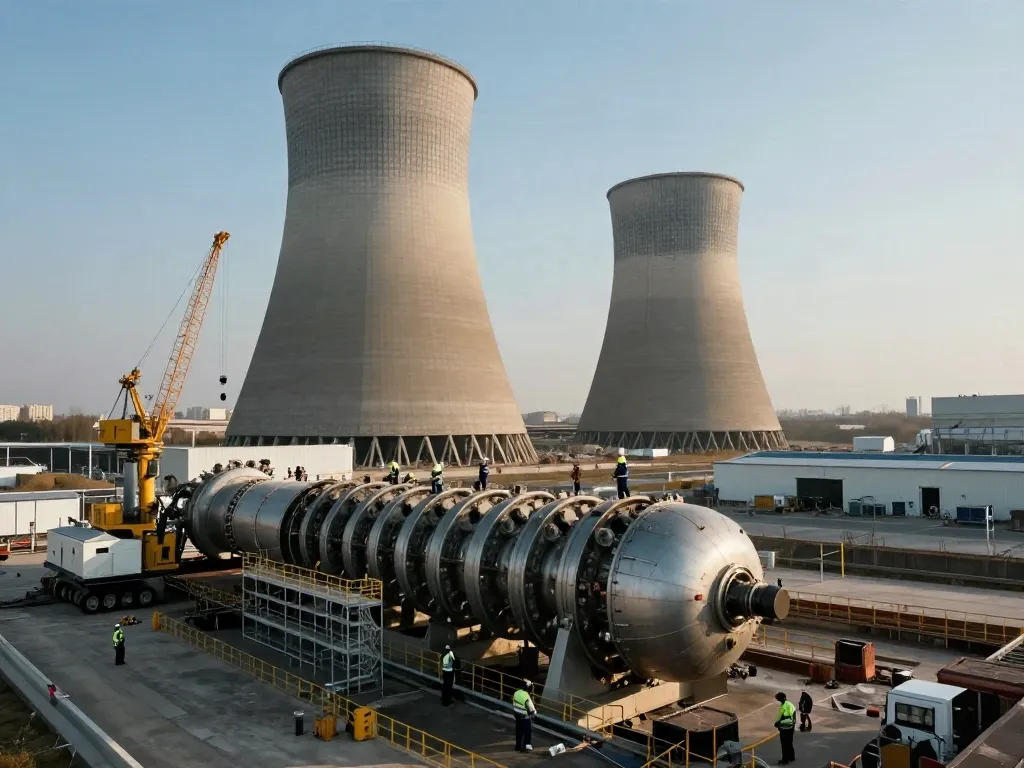
Why Nuclear Plant Decommissioning Can Span Decades

Nuclear power plants are complex infrastructures that have operated for decades, providing a significant portion of the world's energy. However, when these plants reach the end of their operational life, the decommissioning process can take an astonishingly long time—often spanning several decades. This article delves into the multifaceted reasons why nuclear plant decommissioning is a protracted and complex undertaking.
Regulatory Frameworks and Compliance Requirements
The decommissioning of nuclear plants is governed by a stringent regulatory framework designed to ensure safety and environmental protection. Various regulatory bodies oversee the processes involved, and compliance with their requirements can significantly extend the timeline for decommissioning.
Overview of Regulatory Bodies Involved
In the United States, the Nuclear Regulatory Commission (NRC) is the primary body overseeing the decommissioning of nuclear facilities. The NRC sets forth regulations that must be followed to ensure that decommissioning is conducted safely and efficiently. Other bodies, such as the Environmental Protection Agency (EPA) and state regulatory agencies, also play critical roles in monitoring compliance with environmental standards and public safety. Internationally, organizations such as the International Atomic Energy Agency (IAEA) provide guidelines and best practices for decommissioning nuclear facilities. Their involvement ensures that decommissioning practices meet global safety standards, further complicating the decommissioning timeline due to the need for international coordination.
Permitting Processes and Delays
Securing the necessary permits for decommissioning can be a time-consuming endeavor. Each phase of the decommissioning process typically requires specific permits, which can take years to obtain. For instance, the initial application to the NRC can take several years to review, and this is often followed by a public comment period, where local communities and stakeholders can raise concerns. This regulatory labyrinth can introduce significant delays, as seen in the case of the San Onofre Nuclear Generating Station, where the permitting process extended the timeline by years.
Compliance with Environmental Standards
Environmental compliance is another crucial aspect of the decommissioning process. Facilities must adhere to strict environmental regulations, which often necessitate extensive environmental impact assessments. These assessments evaluate the potential effects of decommissioning activities on local ecosystems, groundwater, and air quality. The need to ensure compliance with environmental standards can prolong the decommissioning timeline significantly, as any non-compliance can lead to legal disputes and additional regulatory scrutiny.
Complexity of Decommissioning Processes
The technical complexity of decommissioning a nuclear plant is another factor that contributes to the lengthy duration of the process. This complexity arises from the need for careful planning and execution of multi-faceted decommissioning strategies.
Phased Decommissioning Strategies
Most nuclear plants utilize a phased approach to decommissioning, which can extend over several decades. This strategy often involves three main phases: the immediate shutdown phase, the decontamination phase, and finally, the dismantlement phase. Each phase requires meticulous planning, execution, and regulatory compliance. For example, the decommissioning of the Maine Yankee Nuclear Power Plant began in 1997 and was not completed until 2005, highlighting how a phased approach can lead to extended timelines.
Challenges in Waste Management
One of the most significant challenges in the decommissioning process is the management of radioactive waste. Decommissioning generates various types of waste, including low-level waste, intermediate-level waste, and high-level waste. Each type of waste requires different handling, storage, and disposal methods, and the long-term storage of high-level waste remains a contentious issue. The lack of a permanent disposal site for high-level radioactive waste, such as the proposed Yucca Mountain facility in Nevada, adds to the uncertainty and complexity of waste management during decommissioning. For instance, the decommissioning of the Zion Nuclear Power Station in Illinois faced delays partly due to difficulties in waste management and the need to find suitable disposal options for the radioactive materials generated during the process.
Technological Limitations and Solutions
While advancements in technology have improved many aspects of decommissioning, limitations still exist. For example, remote-controlled robotic systems designed to aid in the dismantling of nuclear facilities are still being developed and refined. The reliance on existing technology can slow down operations, particularly in areas that require specialized decontamination processes or the handling of hazardous materials. Innovative solutions, such as the development of advanced decontamination techniques and improved waste management systems, are underway but may not be fully implemented for years. Thus, the pace of technological advancement directly affects the overall decommissioning timeline.
Health and Safety Considerations
Health and safety are paramount during the decommissioning of nuclear plants, and strict protocols are in place to protect workers, the public, and the environment.
Radiological Safety Protocols
Radiological safety protocols are crucial to ensure that decommissioning activities do not pose a risk to workers or the surrounding community. These protocols involve extensive monitoring of radiation levels, the use of protective equipment, and the establishment of restricted zones around decommissioning sites. Compliance with these protocols can slow down the decommissioning process, as thorough checks must be conducted at every stage to ensure safety. For example, during the decommissioning of the Trojan Nuclear Power Plant in Oregon, extensive radiological surveys were conducted, and safety protocols delayed certain dismantling activities until radiation levels were deemed acceptable.
Worker Safety Training and Requirements
Workers involved in nuclear decommissioning are subject to rigorous training and certification requirements to ensure their safety. This training can take significant time and resources, as workers must be knowledgeable about handling radioactive materials, emergency procedures, and the specific hazards associated with decommissioning activities. These training requirements can extend the decommissioning timeline, as fully trained personnel must be on-site before certain tasks can commence.
Public Health Impact Assessments
In addition to worker safety, public health impact assessments are essential when decommissioning a nuclear facility. These assessments evaluate potential health risks to local communities during the decommissioning process. The need for extensive public health assessments can prolong the timeline for decommissioning, as these studies require comprehensive data collection and analysis. For instance, the decommissioning of the Crystal River Nuclear Plant in Florida involved significant public health assessments that contributed to delays, as stakeholders sought to ensure that local communities were not adversely affected by decommissioning activities.
Financial and Economic Factors
The financial complexity of decommissioning nuclear plants cannot be underestimated. The costs associated with decommissioning can be substantial, and mismanagement or unexpected challenges can lead to budget overruns that further extend the timeline.
Cost Estimates and Budgeting Challenges
Cost estimates for decommissioning a nuclear power plant can vary widely, influenced by factors such as plant size, condition, and location. For example, the decommissioning of the Rancho Seco Nuclear Generating Station in California was estimated to cost over $600 million. However, actual costs can surpass initial estimates due to unforeseen complications, regulatory delays, and waste management challenges. Budgeting for decommissioning is often complicated by the need to allocate funds over many years, with some estimates suggesting that decommissioning can take 20 to 60 years to complete. This long timeline can complicate financial planning and resource allocation, further prolonging the decommissioning process.
Funding Mechanisms for Decommissioning
Funding for decommissioning typically comes from a combination of owner contributions, government assistance, and financial reserves set aside during the operational phase. For instance, many nuclear plants establish decommissioning trust funds during their operational years to ensure that funds are available when decommissioning begins. However, fluctuations in investment returns or inadequate funding can complicate the financial landscape, affecting the pace of decommissioning. The Vermont Yankee Nuclear Power Plant, for example, faced funding challenges that delayed its decommissioning timeline, as the trust fund fell short of covering projected costs.
Economic Impact on Local Communities
The decommissioning of a nuclear plant can have significant economic implications for local communities, which may influence the pace of the process. Communities that rely on nuclear plants for employment and economic activity may resist rapid decommissioning efforts, seeking to prolong operations and mitigate job losses. Local governments often play a role in negotiations regarding the pace of decommissioning, balancing economic needs with safety and environmental concerns. This complex interplay can lead to extended negotiations and delays in the decommissioning timeline.
Stakeholder Engagement and Community Relations
Effective stakeholder engagement and community relations are critical components of the decommissioning process and can significantly influence the timeline.
Involvement of Local Governments
Local governments have a vested interest in the decommissioning process, as it directly affects their communities. Engaging with local authorities from the outset can help address concerns, ensure compliance with local regulations, and foster collaboration. However, this engagement process can be time-consuming, often involving public hearings and consultations that can stretch the timeline for decommissioning. The decommissioning of the Kewaunee Power Station in Wisconsin, for example, involved significant local government engagement to address community concerns, which added time to the overall process.
Public Perception and Trust Issues
Public perception of nuclear energy and decommissioning can greatly influence timelines. Communities may harbor concerns about safety, environmental impact, and economic consequences, leading to resistance against swift decommissioning efforts. Building public trust through transparent communication and community involvement is essential, but this can prolong the decommissioning process as public sentiment is addressed. The decommissioning of the Shoreham Nuclear Power Plant in New York faced public backlash and concerns, leading to extended timelines as stakeholders worked to alleviate fears and build community trust.
Long-Term Community Impact Assessments
Finally, long-term community impact assessments are often required to evaluate the potential effects of decommissioning on local populations and environments. These assessments can take years to conduct, as they involve extensive data collection and analysis to understand the potential consequences of decommissioning activities fully. In conclusion, the decommissioning of nuclear plants is a complex, multifaceted process that can span decades due to regulatory frameworks, the intricacies of decommissioning procedures, health and safety considerations, financial factors, and stakeholder engagement. As the world continues to navigate the challenges of transitioning energy sources, understanding the dynamics of nuclear plant decommissioning is essential for future planning and community relations.
Comments
No comments yet.
Leave a comment