
Introduction to Rabbit Gut Stasis
Definition and Importance of Gut Health
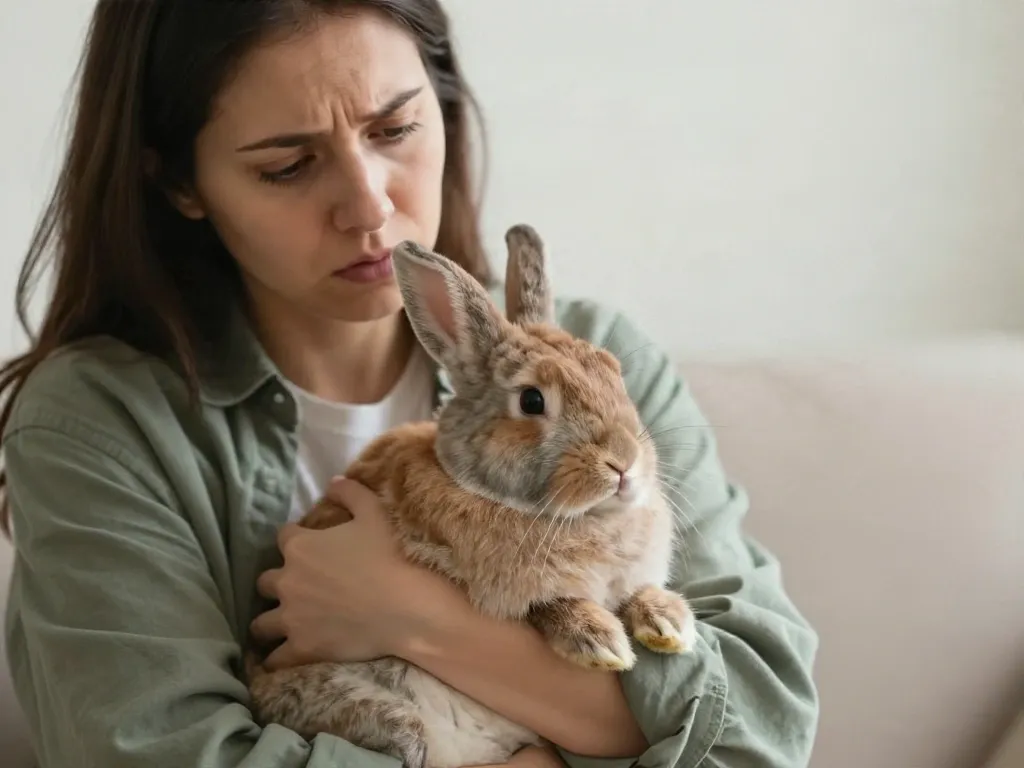
Rabbit gut stasis, also known as gastrointestinal stasis, is a serious condition where the normal movement of the digestive tract slows down or stops altogether. This can lead to a build-up of gas and a severe reduction in food intake, which can quickly become life-threatening. Understanding this condition is vital for rabbit owners as it emphasizes the importance of maintaining good gut health, which is crucial for the overall well-being of these animals.
The healthy digestive system of a rabbit is characterized by continuous movement and appropriate microbial fermentation. Rabbits are herbivores, and their diet is primarily composed of high-fiber hay, fresh vegetables, and a small amount of pellets. The fiber content stimulates gut motility, which is essential for preventing stasis. When this balance is disrupted, whether through dietary changes, stress, or health issues, the consequences can be dire.
Factors Contributing to Gut Stasis in Rabbits
Several factors can contribute to the development of gut stasis in rabbits:
- Dietary Factors: A diet low in fiber, such as an excessive amount of pellets or lack of hay, can lead to gut stasis. High-starch foods can also contribute to this issue.
- Stress: Rabbits are sensitive creatures, and changes in their environment, such as moving to a new home, the introduction of new pets, or loud noises, can cause stress that affects their digestive health.
- Illness: Underlying health issues such as dental problems, infections, or gastrointestinal diseases can lead to reduced appetite and subsequent gut stasis.
- Lack of Exercise: Sedentary rabbits may experience slower digestion. Regular exercise helps stimulate gut movement.
Common Misconceptions About Rabbit Digestive Health
Many rabbit owners hold misconceptions about their pets' digestive health that can lead to neglecting signs of gut stasis. Some common myths include:
- Rabbits Only Need Pellets: Many owners believe that pellets are a complete diet for rabbits. In reality, hay should constitute the majority of a rabbit's diet due to its high fiber content.
- Rabbits Can Self-Regulate Their Diet: While rabbits do have some ability to choose their food, they may not always make the healthiest choices, especially if their options are limited.
- Signs of Illness Are Always Obvious: Many owners wait for overt signs of illness, such as lethargy or refusal to eat, before seeking help. Subtle signs often precede these, and early intervention is critical.
Signs and Symptoms of Gut Stasis
Early Warning Signs to Observe
Recognizing early signs of gut stasis can be the difference between life and death for a rabbit. Some initial warning signs include:
- Decreased Appetite: A rabbit that suddenly shows a lack of interest in food should be closely monitored.
- Less Fecal Output: A noticeable reduction in droppings is a key indicator of digestive issues.
- Behavioral Changes: Changes in behavior such as hiding, excessive grooming, or reduced interaction can signal discomfort.
Behavioral Changes Indicating Discomfort
Behavioral signs that may indicate a rabbit is experiencing gut stasis include:
- Hunched Posture: Rabbits may hunch their bodies, which is a natural way to protect their abdomen when in pain.
- Teeth Grinding: This is often a sign of distress or pain and should not be overlooked.
- Frequent Laying Down: More time spent lying down rather than sitting upright can indicate discomfort.
Physical Symptoms: What to Look For
Physical symptoms of gut stasis can manifest in various ways:
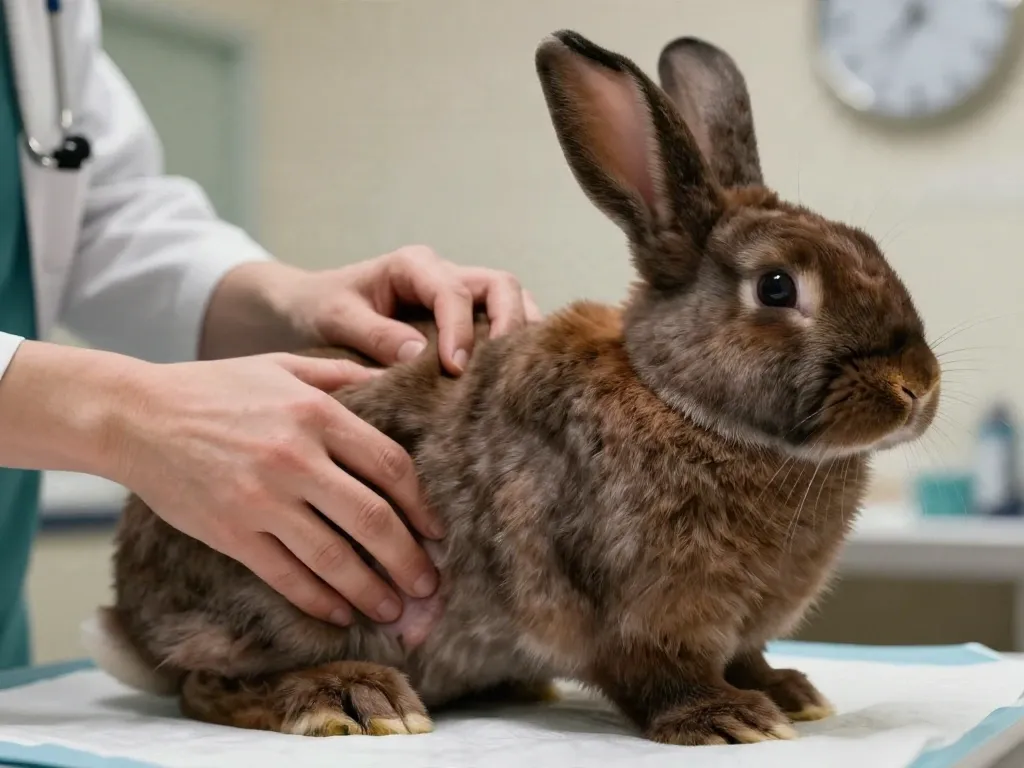
- Abdominal Distension: A bloated stomach may be visible or palpable and is a serious sign that requires immediate veterinary attention.
- Reduced or Absent Bowel Sounds: A veterinarian can detect this during an examination.
- Dry Mouth or Dehydration: Signs of dehydration include sticky gums or lethargy.
Consequences of Untreated Gut Stasis
Potential Complications from Prolonged Stasis
If left untreated, gut stasis can lead to severe complications, including:
- Gastric Rupture: Severe bloating can lead to the stomach bursting, which is often fatal.
- Intestinal Obstruction: A blockage can occur, preventing any movement of food and leading to further complications.
- Sepsis: Bacteria from the gut can enter the bloodstream due to compromised gut health, leading to systemic infections.
Impact on Overall Health and Well-being
Untreated gut stasis can severely impact a rabbit's overall health. Prolonged periods without proper digestion can lead to malnutrition, weight loss, and a weakened immune system. This makes the rabbit more susceptible to other diseases and can significantly reduce its quality of life.
Long-term Effects on Digestive Function
Even after treatment, rabbits that have experienced gut stasis may suffer from long-term digestive issues. The gut may not function as effectively, leading to recurrent episodes of stasis if proper care is not taken. This can create a cycle of health issues that can be challenging to manage.
Emergency Responses to Gut Stasis
When to Seek Veterinary Help
Immediate veterinary attention is crucial when a rabbit shows signs of gut stasis. If you observe any combination of the following symptoms, seek help:
- Refusal to eat for more than 12 hours
- Severe lethargy or unresponsiveness
- Persistent bloating or abdominal pain
- Any signs of distress or pain
Immediate Home Care Techniques
While waiting for veterinary care, there are some immediate steps you can take:
- Encourage Hydration: Offer fresh water or, if recommended by your vet, provide electrolyte solutions.
- Gentle Abdominal Massage: This can help stimulate gut movement; however, it should be done carefully and gently.
- Keep the Rabbit Calm: A stress-free environment is crucial. Minimize noise and provide a comfortable space.
Understanding Treatment Options and Prognosis
Treatment for gut stasis varies depending on the severity of the condition. Options may include:
- Fluid Therapy: To combat dehydration and restore gut motility.
- Medications: Pain relievers and prokinetic drugs may be prescribed to stimulate gut movement.
- Dietary Changes: Vets may recommend a high-fiber diet, including hay and fresh greens, to encourage healthy digestion.
The prognosis for rabbits with gut stasis can be good if treated promptly; however, delays can lead to serious complications or even death.
Preventative Measures for Rabbit Owners
Dietary Adjustments to Promote Healthy Digestion
Preventing gut stasis begins with a proper diet. Here are some dietary adjustments that can help:
- High-Fiber Hay: Timothy hay or meadow hay should make up the majority of a rabbit's diet, comprising about 80% of their food intake.
- Fresh Vegetables: Offer a variety of leafy greens like romaine lettuce, cilantro, and parsley daily.
- Limit Pellets: If feeding pellets, ensure they are high-fiber and limit portions to avoid overconsumption.
Environmental Factors Affecting Gut Health
The environment in which a rabbit lives can greatly impact its digestive health. Consider the following:
- Stress-Free Habitat: Keep the living area calm and free from disturbances. Avoid sudden changes that could stress your rabbit.
- Safe Space for Exercise: Provide ample space for your rabbit to roam and exercise. A minimum of 4x4 feet is recommended for a single rabbit.
- Regular Social Interaction: Rabbits are social animals and benefit from interaction with their human caretakers or other rabbits.
Regular Health Checks and Monitoring Techniques
Regular health checks can help catch potential issues before they escalate:
- Routine Weigh-ins: Weigh your rabbit weekly to monitor for any sudden weight loss.
- Observation of Eating Habits: Keep a close eye on your rabbit's feeding behavior and fecal output daily.
- Veterinary Check-ups: Schedule annual veterinary exams to ensure your rabbit's overall health, including dental and digestive checks.
Comments
No comments yet.
Leave a comment