
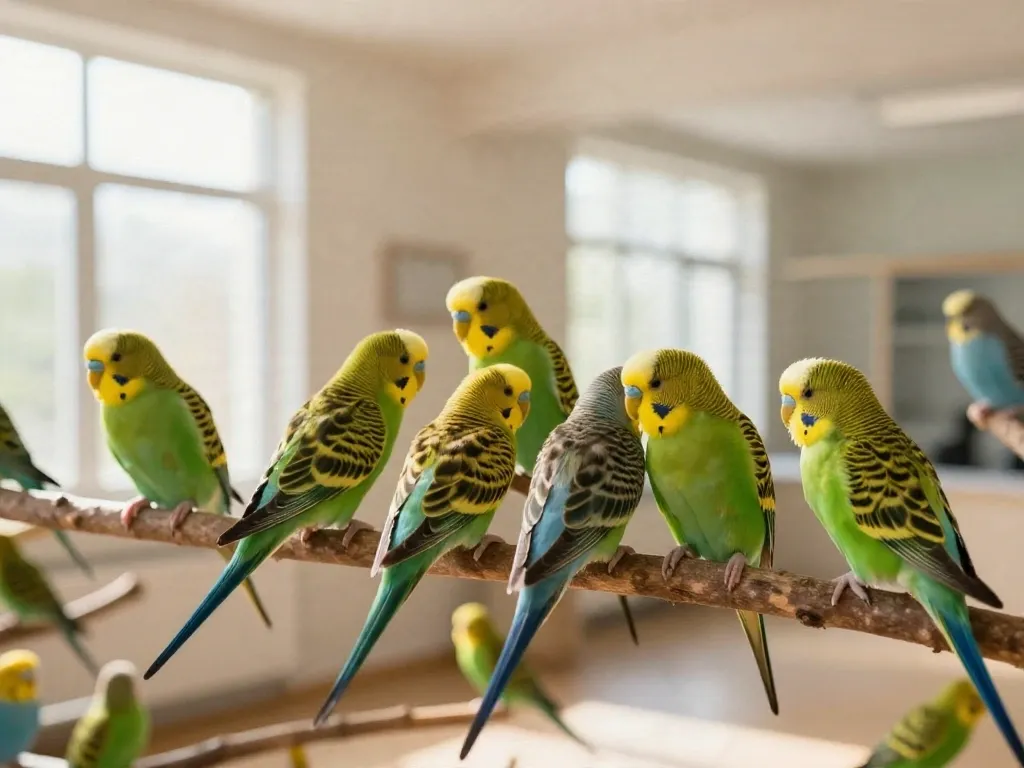
The Importance of Social Structure in Captive Parakeet Flocks
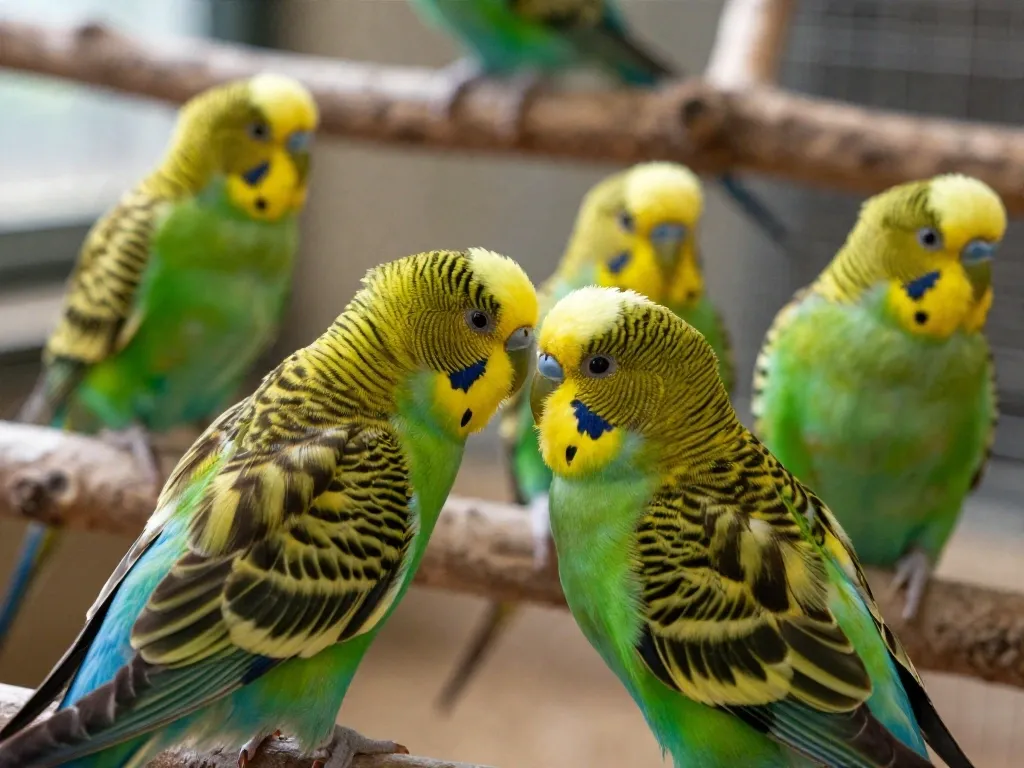
Understanding Hierarchies Among Parakeets
Parakeets, particularly the commonly kept species such as the budgerigar (Melopsittacus undulatus), exhibit complex social structures that are essential for their well-being in captivity. In a natural setting, parakeets live in flocks that establish hierarchies, which help maintain order and facilitate social interactions. These hierarchies are not merely arbitrary; they are influenced by various factors, including age, size, and personality traits.
In a captive environment, the introduction of new birds can disrupt existing hierarchies, leading to potential stress and aggression. For example, when adding a new parakeet to a flock, it is crucial to monitor the interactions to ensure that the established birds do not exhibit aggressive behaviors towards the newcomer. A study by researchers at the University of Queensland found that parakeets can exhibit a 'pecking order,' where dominant individuals have preferential access to food and mates, significantly impacting overall flock dynamics.
Role of Dominance and Subordination
Dominance and subordination play a pivotal role in the social interactions of parakeets in captivity. Dominant birds tend to establish control over resources such as food, perches, and even attention from human caregivers. This behavior can be observed through specific actions, such as physical displays or vocalizations.
For instance, a dominant parakeet may assert its position by performing a loud, repetitive call while chasing subordinate birds away from preferred feeding spots. In contrast, subordinate birds often exhibit more submissive behaviors, such as avoiding direct eye contact and using softer vocalizations. Understanding these dynamics is crucial for pet owners, as it can help prevent bullying and promote a harmonious living environment.
Impact of Social Structure on Behavior
The social structure within a parakeet flock significantly impacts their behavior and overall well-being. A well-established hierarchy can lead to less stress among the birds, as they understand their roles within the group. Conversely, a disrupted hierarchy can lead to increased aggression, anxiety, and health problems.
For example, if a dominant bird is removed from the flock, the remaining birds may engage in aggressive behaviors as they attempt to re-establish a new social order. Such disruptions can lead to feather plucking, increased vocalization, and in extreme cases, self-harm. Pet owners should therefore be mindful of their flock dynamics and intervene if negative behaviors are observed.
Factors Influencing Flock Dynamics in Captivity
Environmental Conditions and Space
The physical environment in which parakeets are kept has a profound influence on their flock dynamics. Adequate space is essential for allowing birds to establish their social structures without feeling threatened. A cramped cage can lead to increased aggression and stress, particularly among dominant individuals who may feel the need to defend their territory.
Research indicates that parakeets housed in larger enclosures tend to exhibit more natural social behaviors. For example, a study found that parakeets kept in a flight aviary measuring 4 feet by 8 feet displayed less aggression and more social grooming compared to those kept in a smaller, standard cage. Providing ample perches, toys, and hiding spots can also reduce competition and promote healthier interactions among flock members.
Interaction with Human Caregivers
The role of human caregivers in shaping parakeet flock dynamics cannot be understated. Caregivers who engage positively with their birds can enhance social cohesion within the flock. Regular interaction, including gentle handling and vocal communication, can help reduce stress and foster a sense of security among the birds.
Conversely, a lack of interaction or negative experiences (such as rough handling) can lead to fear and anxiety in parakeets, which can disrupt their social structure. For instance, if a caregiver frequently scolds one bird while ignoring others, it can create feelings of resentment and lead to unrest within the flock. It is essential for caregivers to maintain a balanced approach, ensuring that all birds receive attention and positive reinforcement.
Availability of Resources and Its Effects
The availability of resources such as food, water, and toys significantly influences flock dynamics in captivity. When resources are plentiful, parakeets tend to exhibit calmer behaviors and better social interactions. However, scarcity can lead to competition, aggression, and stress.
For example, if multiple birds are vying for access to a single feeder, the dominant individuals may monopolize the food, leading to malnourishment or stress in subordinate birds. To mitigate this, caregivers should provide multiple feeding stations and ensure that all birds have equal access to food and water. Additionally, introducing a variety of toys can reduce boredom and promote social play, fostering a more harmonious flock environment.
Communication Patterns Among Captive Parakeets
Vocalizations and Their Social Functions
Vocalizations are a primary means of communication among parakeets, serving various social functions. Each parakeet has a unique repertoire of sounds that can indicate different emotions, such as excitement, distress, or contentment. For instance, a loud, chirpy call may signify happiness, while a harsh squawk can indicate territorial disputes or discomfort.
Studies suggest that parakeets use specific calls to communicate with their flock members, enhancing social bonding and cohesion. Birds that are more vocal often establish stronger social ties within their groups, as they are perceived as more approachable and socially engaged. Caregivers should pay attention to these vocal patterns, as changes in vocalization can signal shifts in flock dynamics, such as stress or illness.
Body Language and Non-Verbal Signals
In addition to vocalizations, parakeets communicate through body language and non-verbal signals. The position of their heads, tails, and wings can convey a wealth of information about their mood and social status. For example, a bird that puffs up its feathers and spreads its wings may be demonstrating dominance, while a bird that lowers its head and flattens its feathers may be exhibiting submission.
Understanding these non-verbal cues is essential for caregivers to interpret the emotional state of their flock. Observing interactions among birds can provide insights into their social dynamics and help identify when interventions may be necessary. For example, if a bird consistently displays submissive body language near a particular individual, it may be an indication of bullying that requires addressing.
Impact of Communication on Flock Cohesion
Effective communication is vital for maintaining flock cohesion among parakeets. Positive social interactions, facilitated through vocalizations and body language, promote stronger bonds between birds and create a more stable social environment. In contrast, poor communication can lead to misunderstandings, increased aggression, and social isolation.
For instance, if a parakeet misinterprets a dominant bird's call as a threat, it may respond defensively, leading to escalated conflicts. Caregivers can enhance flock cohesion by ensuring that the captive environment encourages healthy communication, such as providing opportunities for social play and interaction.
Conflict and Resolution in Parakeet Flocks
Common Sources of Conflict
Conflicts among parakeets in captivity can arise from various sources, with competition for resources being one of the most prevalent. Food, territory, and attention from caregivers are common triggers for aggression. Additionally, the introduction of new birds can disrupt established hierarchies and lead to squabbles as the flock re-establishes its social order.
Other sources of conflict may include mating behaviors, particularly during breeding seasons when hormones can heighten aggression. For instance, a dominant male may become overly aggressive towards other males competing for a mate, resulting in physical altercations.
Strategies for Conflict Resolution
Addressing conflicts in parakeet flocks requires a proactive approach from caregivers. One effective strategy is to provide ample resources to minimize competition. This includes multiple feeding stations, water sources, and perches to reduce territorial disputes.
Furthermore, caregivers can intervene during conflicts by separating aggressive individuals and allowing them time to cool down. Gradual reintroduction, such as using neutral territory or supervised interactions, can help mitigate tensions. In some cases, creating a more balanced flock composition—ensuring a mix of genders and ages—can also help reduce conflicts.
Effects of Conflict on Flock Dynamics
Conflicts within a parakeet flock can have lasting effects on social dynamics and the overall well-being of the birds. Persistent aggression can lead to stress, anxiety, and even physical injuries, hindering the birds' ability to thrive in captivity. Chronic stress can result in behavioral issues such as feather plucking and increased vocalization.
Moreover, unresolved conflicts can create divisions within the flock, leading to social isolation of certain individuals. This isolation can impact their psychological health, emphasizing the need for caregivers to monitor flock dynamics closely and take appropriate action when conflicts arise.
Maintaining a Healthy Flock Environment
Best Practices for Flock Composition
Creating a balanced flock is fundamental to maintaining a healthy social structure among parakeets. Caregivers should consider factors such as age, gender, and personality when introducing new birds. For example, mixing younger and older birds can encourage mentorship and reduce aggression, as younger birds may look up to their elders.
It is also advisable to introduce new birds gradually, allowing time for the established flock to acclimate to the newcomer. This can be achieved through a quarantine period, where the new bird is housed separately but within sight of the existing flock, allowing them to become familiar with each other's presence.
Strategies for Enhancing Social Interactions
Encouraging positive social interactions among parakeets can significantly enhance flock dynamics. Caregivers can facilitate this by providing a stimulating environment that promotes play and exploration. Toys that encourage group interaction, such as swings and foraging devices, can help foster social bonds among flock members.
Additionally, engaging in regular training sessions using positive reinforcement techniques can enhance the social cohesion and trust within the flock. Training not only provides mental stimulation but also helps birds learn to interact positively with one another, reinforcing their social ties.
Monitoring and Adjusting Flock Dynamics
Ongoing observation is critical for maintaining a healthy flock environment. Caregivers should regularly assess the interactions between birds, looking for signs of stress or aggression. Keeping a journal of behaviors and interactions can help identify patterns and potential issues before they escalate.
If conflicts arise, caregivers must be prepared to make adjustments to the flock composition or environment. This may involve separating aggressive individuals, modifying resource availability, or even rehoming birds if necessary. The goal is to create a harmonious environment where all parakeets can thrive and exhibit their natural behaviors.

Comments
No comments yet.
Leave a comment