
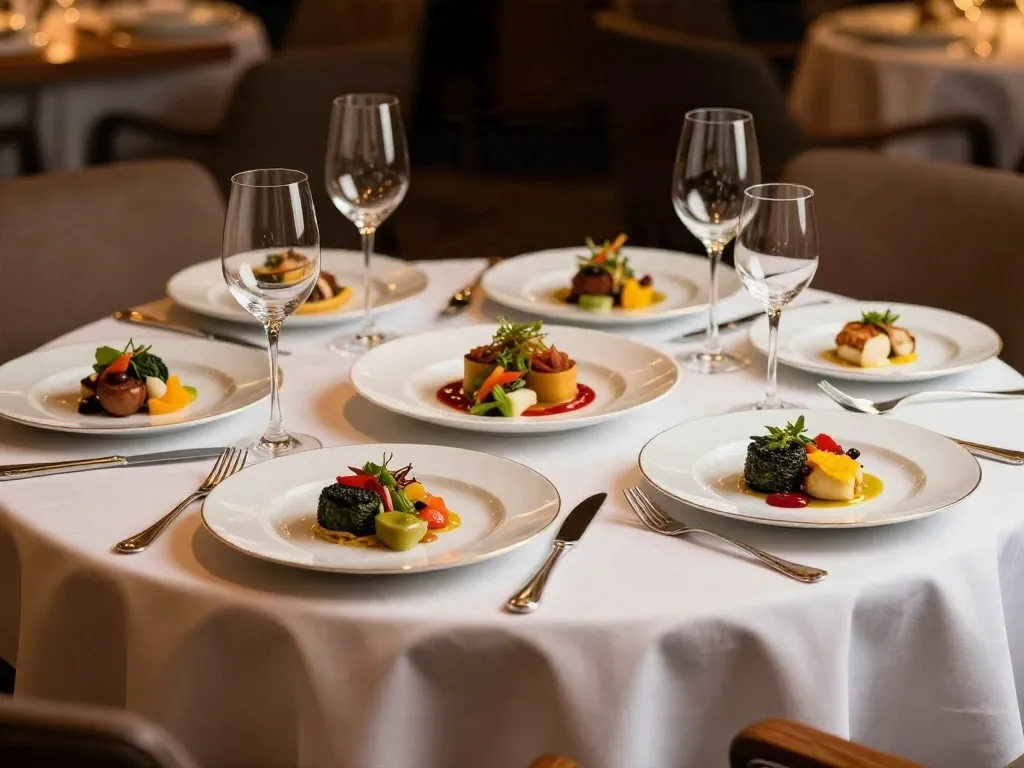
Historical Context of Prix-Fixe Menus in Fine Dining
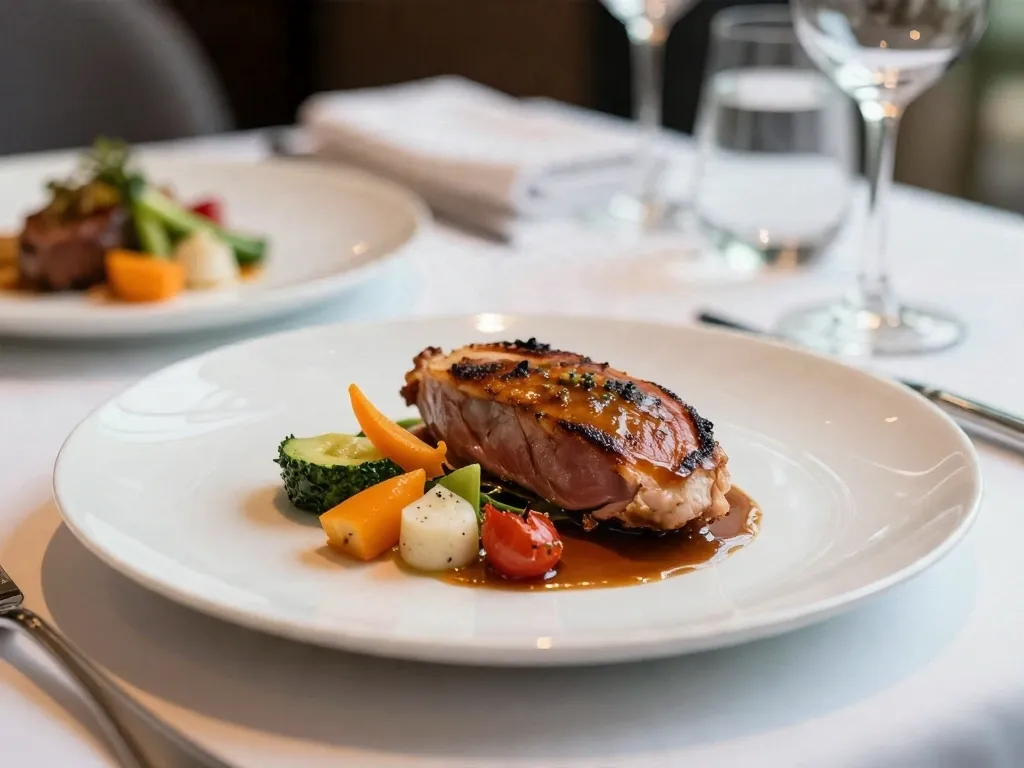
Origins and Evolution of Prix-Fixe
The prix-fixe menu, a French term meaning "fixed price," has its roots deeply embedded in the history of fine dining. Initially emerging in the 18th century, these menus offered diners a predetermined selection of courses at a set price, simplifying the dining experience while providing a snapshot of culinary artistry. This format became popular due to its ability to showcase a chef's creativity and culinary skills without overwhelming the diner with choices. The classic prix-fixe structure typically includes an appetizer, main course, and dessert, allowing chefs to present seasonal ingredients and their signature dishes in a cohesive manner.
As the 20th century progressed, prix-fixe menus became synonymous with fine dining establishments, particularly in Europe. Influential restaurants like Le Meurice in Paris embraced this model, elevating it to an art form that emphasized not just the food, but the entire dining experience. The prix-fixe model allowed establishments to highlight their culinary philosophy while managing food costs effectively.
Decline in Popularity During the Casual Dining Boom
However, the late 20th century witnessed a shift as casual dining gained momentum. The rise of fast-casual restaurants and an increase in diverse dining options led to the decline of the prix-fixe menu. Diners began to favor flexibility, valuing la carte options that allowed for customization in their dining experiences. The casual dining boom, epitomized by chains such as Olive Garden and Applebee's, emphasized affordability and variety, leading many fine dining establishments to abandon the prix-fixe model in an effort to compete.
During this period, the culinary landscape changed dramatically as more restaurants focused on casual atmospheres and shareable plates. As a result, the fixed-price menu became less appealing to diners who sought immediate gratification and a more relaxed dining experience. The emphasis shifted from the structured elegance of fine dining to the freedom of choice, resulting in a significant decline in the prevalence of prix-fixe offerings.
Resurgence Trends in the Last Decade
In recent years, however, the prix-fixe menu has made a notable comeback in fine dining. This resurgence can be attributed to several interrelated factors, including a growing appreciation for culinary craftsmanship, the desire for a curated dining experience, and a renewed focus on the art of cooking. The last decade has seen a significant shift back towards this format, with establishments such as Eleven Madison Park in New York City and The French Laundry in Napa Valley reinstating prix-fixe menus as a centerpiece of their dining experiences.
Moreover, many chefs are now embracing the prix-fixe model as a way to showcase their creativity and seasonal offerings. Diners are increasingly attracted to the idea of experiencing a well-thought-out multi-course meal that tells a story, offering a journey through flavors and techniques. This trend towards the prix-fixe menu reflects a broader cultural shift towards mindfulness in dining, where patrons are not just consumers but also participants in a culinary narrative.
Economic Factors Driving the Return
Cost Predictability for Diners
The return of the prix-fixe menu has also been fueled by economic factors, particularly the benefit of cost predictability for diners. In an era marked by economic uncertainty and fluctuating food prices, many patrons appreciate the transparency that prix-fixe menus offer. By knowing the total cost of their meal upfront, diners can make informed decisions about their dining budgets, reducing the stress often associated with dining out.
For instance, a typical prix-fixe menu might range from $70 to $250 per person, depending on the restaurant's prestige and offerings. This set pricing allows diners to indulge in a luxurious meal without the fear of unexpected charges, making fine dining more accessible and appealing. The clarity in pricing also encourages diners to experiment with higher-end dining experiences, knowing they are getting a curated selection for a fixed price.
Efficient Resource Management for Restaurants
From the restaurant's perspective, prix-fixe menus facilitate efficient resource management. By standardizing the menu offerings, chefs can better predict ingredient needs, reducing food waste and optimizing inventory. This streamlined approach allows restaurants to maintain quality while controlling costs, which is crucial in a competitive market where profit margins can be razor-thin.
Many fine dining establishments have reported increased profitability after reintroducing prix-fixe menus. For example, a restaurant may find that by offering a seasonal tasting menu, they can source ingredients in bulk, negotiate better prices with suppliers, and minimize waste, all while maintaining high standards of quality. This strategic approach not only enhances the dining experience but also supports sustainable practices within the culinary industry.
Impact of Inflation on Dining Choices
Inflation has also played a significant role in the resurgence of prix-fixe menus. As food prices have risen, many diners are looking for ways to manage their spending while still enjoying exceptional culinary experiences. The prix-fixe model provides a solution by offering a fixed cost that can include multiple courses, often at a price point that reflects value for the quality of the meal.
Reports indicate that fine dining establishments have seen a marked increase in reservations for prix-fixe menus during times of economic uncertainty. For example, during the height of inflation, restaurants such as Le Bernardin in New York City reported that their prix-fixe offerings became increasingly popular as diners sought to maximize their value while indulging in exquisite cuisine. This trend demonstrates how economic conditions can influence dining preferences, highlighting the adaptability of the prix-fixe model in responding to consumer needs.
Changing Consumer Preferences
Desire for Culinary Adventure and Exploration
Another significant driver behind the resurgence of prix-fixe menus is the evolving consumer preference for culinary adventure and exploration. Today's diners are increasingly interested in unique and immersive dining experiences that go beyond mere sustenance. They seek out restaurants that offer creative interpretations of traditional dishes and innovative flavor combinations.
This desire for exploration has led many chefs to craft prix-fixe menus that reflect their culinary philosophies and experimental techniques. For instance, at Noma in Copenhagen, renowned chef René Redzepi presents a seasonal tasting menu that highlights foraged ingredients and Nordic culinary traditions, inviting diners on a journey through the flavors of the region. Such experiences appeal to adventurous eaters who are eager to step outside of their culinary comfort zones.
Increased Interest in Multi-Course Experiences
The trend towards multi-course dining has also contributed to the popularity of prix-fixe menus. Diners are increasingly gravitating towards experiences that allow them to savor a variety of dishes in one sitting, rather than selecting a single entrée. This preference not only enhances the overall dining experience but also provides an opportunity for chefs to showcase their skills across multiple courses.
Restaurants like Blue Hill at Stone Barns in New York have capitalized on this trend by offering prix-fixe menus that feature a series of carefully curated courses that change with the seasons. This not only showcases the restaurant's commitment to farm-to-table practices but also gives diners a fuller appreciation of the culinary artistry involved in each dish.
Influence of Social Media on Dining Choices
The rise of social media has further shaped consumer preferences in dining, particularly when it comes to the visual appeal of meals. Platforms like Instagram and TikTok have transformed the way people perceive food, with stunning presentations and unique dining experiences becoming highly shareable content. Prix-fixe menus often lend themselves well to this trend, as they typically consist of beautifully plated dishes that invite social media attention.
Restaurants that curate aesthetically pleasing prix-fixe menus are more likely to attract diners who wish to document their culinary experiences online. For example, the iconic Alinea in Chicago has gained significant popularity not only for its innovative cuisine but also for its visually striking presentations, making it a favorite among food influencers and enthusiasts. This visual appeal, combined with the structured experience of a prix-fixe menu, creates a compelling draw for today's digitally-savvy diners.
Chef and Restaurant Perspectives
Creative Freedom and Menu Design
For chefs, prix-fixe menus offer a unique platform for creative expression and menu design. The structure allows chefs to experiment with flavor combinations, techniques, and presentations, providing an opportunity to curate a narrative through their dishes. This creative freedom is particularly appealing in a culinary landscape where sustainability and seasonality are increasingly prioritized.
Chefs like Daniel Humm of Eleven Madison Park have embraced prix-fixe menus as a way to showcase their commitment to innovative, plant-based cuisine. By designing a tasting menu that reflects seasonal availability and culinary trends, Humm not only captures the attention of diners but also reinforces his restaurant's identity and mission.
Building a Unique Dining Experience
Prix-fixe menus also enable restaurants to create a unique dining experience that distinguishes them from competitors. The multi-course format encourages chefs to develop cohesive themes and stories that can elevate the dining experience beyond the food itself. This focus on narrative helps foster a deeper connection between diners and the restaurant.
Establishments like The French Laundry in Napa Valley have mastered this approach, crafting prix-fixe menus that transport diners through a culinary journey, showcasing the artistry of each dish while emphasizing the importance of local ingredients. This level of attention to detail creates a memorable experience that encourages diners to return, not just for the food, but for the overall ambiance and storytelling.
Enhancing Customer Loyalty Through Prix-Fixe Offers
As restaurants increasingly recognize the value of customer loyalty, prix-fixe menus have emerged as a powerful tool for fostering repeat business. By offering exclusive prix-fixe experiences, establishments can create a sense of urgency and excitement that encourages diners to return. This can be particularly effective when restaurants introduce seasonal menus or special events that highlight unique culinary themes.
For instance, Michelin-starred restaurants often leverage prix-fixe menus to create limited-time tasting events that draw in both new and returning customers. This approach not only enhances customer loyalty but also fosters a sense of community around the dining experience, encouraging patrons to share their experiences with others.
Future Trends and Innovations in Prix-Fixe Menus
Incorporation of Seasonal and Local Ingredients
The future of prix-fixe menus is likely to see an even greater emphasis on incorporating seasonal and local ingredients. As diners become more conscientious about sustainability and the sourcing of their food, restaurants that prioritize local produce and meats will attract a loyal following. The prix-fixe format naturally lends itself to this trend, allowing chefs to adapt their menus to reflect current harvests and local specialties.
For example, restaurants like Farmhouse in Chicago curate their prix-fixe offerings based on what is available from nearby farms, creating a dynamic menu that changes frequently and showcases the best of the season. This not only supports local agriculture but also provides diners with a unique tasting experience that reflects the region's culinary landscape.
Integration of Technology for Enhanced Experiences
Technology is also set to play a significant role in the evolution of prix-fixe menus. From online booking systems to digital menus, advancements in technology are enhancing the overall dining experience. Some restaurants are even exploring the use of augmented reality (AR) to provide diners with an immersive experience that enhances their understanding of each dish.
For instance, certain establishments are experimenting with AR menus that allow diners to visualize dishes before ordering, creating a more informed and engaging experience. This technological integration not only appeals to tech-savvy diners but also enhances the storytelling aspect of the prix-fixe menu, providing context and depth to the culinary offerings.
Potential for Customization and Personalization
Finally, the future of prix-fixe menus may see an increased emphasis on customization and personalization. While traditional prix-fixe menus offer a set selection of dishes, restaurants are beginning to explore ways to incorporate diner preferences into these fixed-price offerings. This could include allowing diners to choose between multiple appetizers or mains, creating a hybrid model that maintains the structure of prix-fixe while providing greater flexibility.
Restaurants that successfully implement customization options can cater to diverse dietary preferences and restrictions, ensuring that all diners feel included in the fine dining experience. This innovative approach not only enhances customer satisfaction but also positions restaurants as forward-thinking establishments that value their patrons' needs.
In conclusion, the resurgence of prix-fixe menus in fine dining reflects a confluence of historical evolution, economic factors, changing consumer preferences, and chef perspectives. As restaurants continue to innovate and adapt to the needs of their diners, the prix-fixe format is poised to remain a vital component of the culinary landscape. Emphasizing creativity, sustainability, and a unique dining experience, prix-fixe menus are not only reclaiming their place in fine dining but are also shaping the future of how we experience food.
Comments
No comments yet.
Leave a comment