
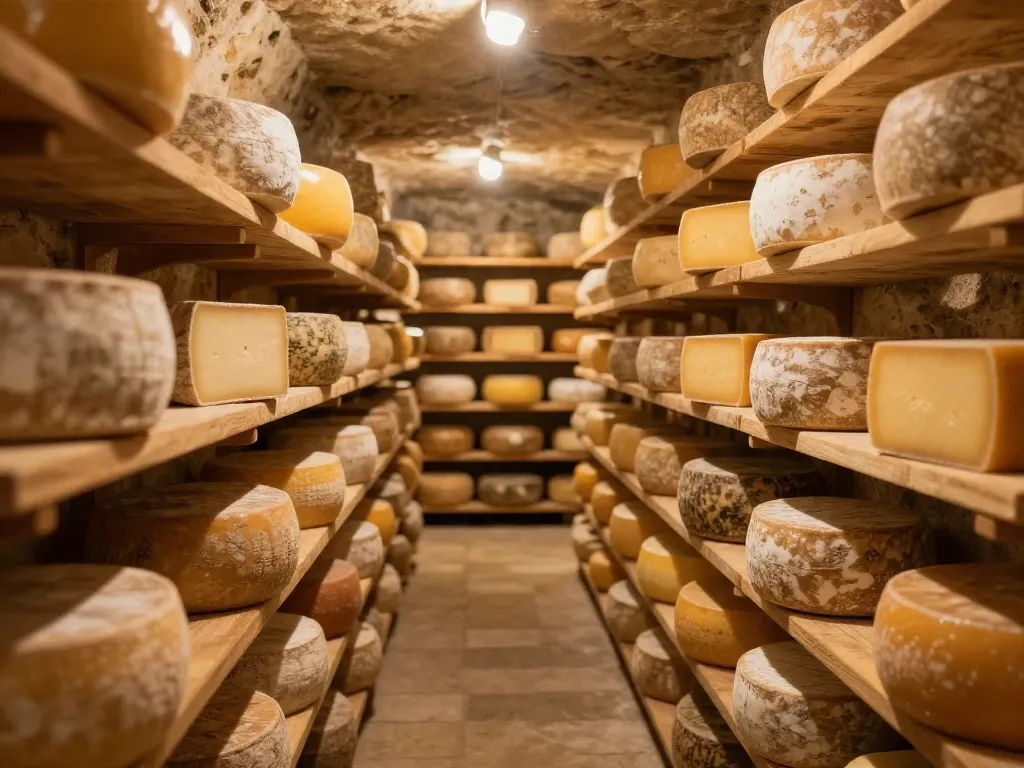
The Science Behind Cheese Caves
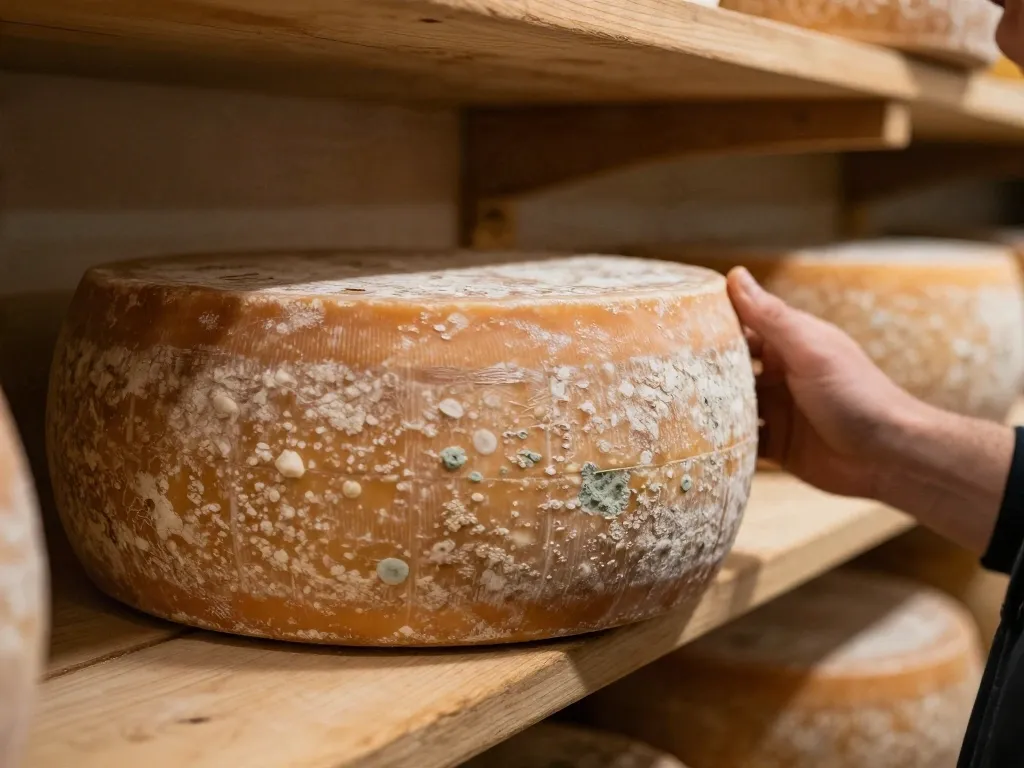
Cheese caves are essential in the artisanal cheese-making process, offering an environment that fosters the perfect aging conditions for various cheese varieties. Understanding the science behind these caves is crucial to appreciating the unique flavors and textures that artisanal cheeses develop over time.
Microclimate Control
One of the defining features of a cheese cave is its ability to create a stable microclimate. These caves are typically located underground or in natural rock formations, where temperature and humidity levels are more constant compared to above-ground environments. The ideal conditions for aging cheese usually hover around 50-60°F (10-15°C) with a humidity level of 85-95%.
This microclimate control allows for a slow and steady aging process. For instance, cheeses such as Comté or Gruyère benefit significantly from this controlled environment. The even temperature prevents rapid spoilage and ensures that the cheese matures uniformly, allowing for the development of deeper flavors.
Humidity and Temperature Regulation
Humidity plays a pivotal role in the aging process of cheese. In a cheese cave, the high humidity levels prevent the cheese from drying out too quickly, which can lead to unwanted textures and flavors. For example, a cheese like Brie requires a moist environment to maintain its creamy texture and to develop its characteristic rind.
Maintaining the right temperature is equally important. Cheese aged at too high a temperature can become overly runny, while low temperatures can inhibit the growth of essential bacteria and molds. The precision in temperature and humidity control is what differentiates artisanal cheese caves from industrial cheese aging facilities.
Impact of Natural Bacteria and Fungi
The presence of natural bacteria and fungi in cheese caves contributes significantly to the aging process. Lactic acid bacteria, for example, are crucial for developing the flavors and textures in cheeses like Camembert and Roquefort. The molds that grow on the surface of aging cheeses, such as Penicillium candidum for soft cheeses or Penicillium roqueforti for blue cheeses, also play a critical role in flavor development.
These microorganisms contribute to the breakdown of fats and proteins in cheese, leading to the creation of a complex flavor profile. Additionally, they help form the cheese's rind, which acts as a protective barrier while allowing for the exchange of moisture and air. This biological aspect of cheese aging is a delicate balance that requires the right conditions found only in specialized cheese caves.
Historical Significance of Cheese Caves
Cheese caves have a rich history that dates back centuries. Understanding their historical significance provides insight into traditional practices that have shaped the artisanal cheese industry today.
Traditional Aging Practices
Historically, cheese makers utilized natural caves for aging their products. These caves provided an ideal environment, as they were consistently cool and humid. In regions like France, Italy, and Switzerland, cheese makers would transport their cheeses to these caves, where they would age for months or even years, developing the unique characteristics of the region.
For example, the famous Roquefort cheese is aged in the natural limestone caves of Roquefort-sur-Soulzon. The unique environment of these caves, rich in the mold Penicillium roqueforti, contributes to the distinct blue veins and robust flavor that Roquefort is known for today.
Regional Variations in Cave Use
Different regions have adopted unique practices in the use of caves for cheese aging. In the mountainous regions of the Alps, cheese makers often use caves that are naturally formed within the rock, taking advantage of the natural cooling and humidity levels. In contrast, in areas like Wisconsin, USA, cheese caves are often man-made but still strive to replicate the natural conditions found in historical caves.
These regional variations reflect the local cheese-making traditions and the types of cheese that are most commonly produced in those areas. For example, the use of caves in the Jura Mountains of France is essential for the production of Comté, where the cheese is traditionally aged for a minimum of four months, with many varieties aged for over a year.
Preservation Techniques Through the Ages
Throughout history, cheese caves have served as a method of preservation. Before refrigeration became commonplace, aging cheese in caves was a way to extend its shelf life. The cool, damp environment slowed spoilage and allowed cheese to be stored safely for extended periods.
Many traditional cheese varieties, such as Parmigiano-Reggiano, rely on aging in natural caves to develop their flavor and texture while also ensuring they remain consumable for months or even years. The ability to preserve cheese effectively has allowed these artisanal varieties to flourish and be enjoyed by generations.
Types of Artisanal Cheeses Suitable for Cave Aging
Not all cheeses are created equal when it comes to aging, and specific types of artisanal cheeses thrive in the unique conditions provided by cheese caves. Understanding which varieties benefit from cave aging can help consumers appreciate the complexities involved in cheese production.
Soft Cheeses and Their Unique Aging Needs
Soft cheeses, such as Brie, Camembert, and Ricotta, require a specific set of conditions to age properly. These cheeses often benefit from high humidity and slightly warmer temperatures, allowing their creamy textures to develop. In a cheese cave, soft cheeses can mature gracefully, forming a bloomy rind while maintaining a luscious interior.
The aging of Brie in a cheese cave typically lasts about 4 to 6 weeks, during which time the flavor intensifies, and the texture becomes creamier. The controlled environment allows for the development of complex flavors and aromas that can be lost if aged in a less suitable setting.
Hard Cheeses and Flavor Development
Hard cheeses, such as Cheddar, Parmigiano-Reggiano, and Gruyère, require longer aging periods, often ranging from several months to several years. The cave environment promotes moisture retention while allowing the cheese to breathe, facilitating the development of robust flavors and textures.
For instance, Parmigiano-Reggiano is typically aged for a minimum of 12 months, with some varieties aging for up to 36 months. During this time, the cheese develops a granular texture and nutty flavor profile that is highly sought after. The aging process in a cave allows this cheese to mature evenly, enhancing its quality and taste.
Blue Cheeses and Cave Conditions
Blue cheeses, like Roquefort and Stilton, thrive in the unique conditions provided by cheese caves. These varieties require specific molds and bacteria to develop their characteristic blue veins and pungent flavors. The damp, cool environment of a cheese cave is ideal for the cultivation of Penicillium molds that are essential for creating blue cheeses.
For example, Roquefort is traditionally aged in the natural caves of southern France, where the specific microflora contribute to its distinct flavor. The caves' humidity and temperature create a perfect habitat for the blue mold to flourish, resulting in a cheese that is both creamy and tangy, with a complex flavor profile.
Impact of Cave Conditions on Flavor Profiles
The conditions within cheese caves have a profound impact on the flavor profiles and textures of artisanal cheeses. The interplay of humidity, temperature, and microbial activity contributes to the distinct characteristics that make each cheese unique.
Development of Complex Flavors
As cheese ages in a cave, the interaction between the cheese and its environment leads to the development of complex flavors. The breakdown of fats and proteins by bacteria and molds creates a rich tapestry of taste sensations. For example, aged Gouda develops deep caramel notes and nutty flavors due to the Maillard reaction occurring during aging.
Moreover, the cave's specific microbiome can impart unique flavors to the cheese. Cheeses like Comté exhibit a range of flavors from fruity to nutty, attributed to the diverse bacterial cultures present in the cave environment during the aging process.
Texture Changes During Aging
Texture is another crucial aspect of cheese that evolves during the aging process. In a cheese cave, moisture levels are carefully controlled, allowing cheeses to develop specific textures that enhance their overall eating experience. Soft cheeses may become creamier, while hard cheeses may develop a crumbly texture as they age.
For instance, aged Manchego becomes firmer and develops a grainy texture, while fresh Mozzarella remains soft and elastic. The changes in texture are often accompanied by corresponding shifts in flavor, making the experience of eating aged cheese a complex and enjoyable journey.
Role of Microflora in Flavor Enhancement
The microflora present in cheese caves is fundamental to flavor enhancement. The natural bacteria and molds contribute to the fermentation process, breaking down components within the cheese and creating new flavors. For example, the use of specific strains of bacteria in the aging of Swiss cheese leads to the formation of its characteristic holes and nutty flavor.
Moreover, the interaction between the cheese and its surrounding microflora can lead to the development of unique flavor compounds that would not occur in a sterile environment. This is why cheeses aged in traditional caves often have depth and complexity that is highly prized by cheese aficionados.
Modern Innovations in Cave Aging Techniques
While traditional cheese caves have stood the test of time, modern innovations continue to enhance the cheese aging process. These advancements aim to improve the quality and efficiency of cheese production while maintaining the artisanal integrity of the craft.
Technological Advances in Cave Monitoring
Today's cheese makers are leveraging technology to monitor and control the conditions within cheese caves more effectively. Advanced sensors can track humidity, temperature, and airflow, ensuring that the environment remains optimal for aging. This level of precision helps prevent spoilage and inconsistencies that can occur in traditional aging methods.
For example, some cheese producers are using IoT (Internet of Things) devices to gather data in real-time, allowing for immediate adjustments if conditions fluctuate. This technology not only improves cheese quality but also enhances the overall efficiency of cheese production.
Sustainable Practices in Cheese Aging
As sustainability becomes more critical in food production, many cheese makers are adopting eco-friendly practices in their aging processes. Some are utilizing renewable energy sources to power their caves, while others are implementing water conservation techniques to minimize waste.
Additionally, there is a growing trend in utilizing locally sourced ingredients and materials in cheese production and aging. For instance, some cheese makers are using native microflora from their region to influence the aging process, creating cheeses that reflect the local terroir while supporting sustainable agriculture.
Future Trends in Artisanal Cheese Caves
The future of cheese caves looks promising, with ongoing innovations and a renewed interest in artisan cheese production. As consumers become more aware of the benefits of artisanal products, cheese makers are likely to continue refining their aging techniques to meet demand for high-quality, uniquely flavored cheeses.
Moreover, collaboration between cheese makers, scientists, and food technologists may lead to new discoveries related to aging processes and flavor development. This interdisciplinary approach could revolutionize how artisanal cheeses are produced and aged, ensuring that the tradition of cheese caves continues to thrive well into the future.


Comments
No comments yet.
Leave a comment