
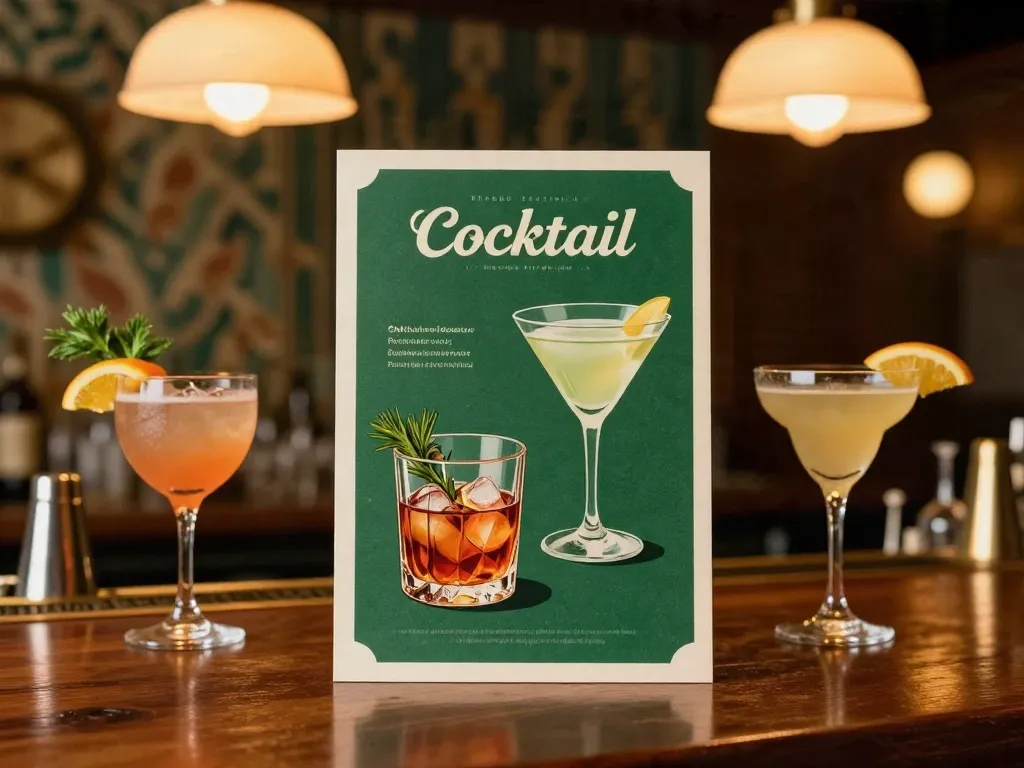
The Comeback of Mid-Century Cocktail Menus and Their Appeal
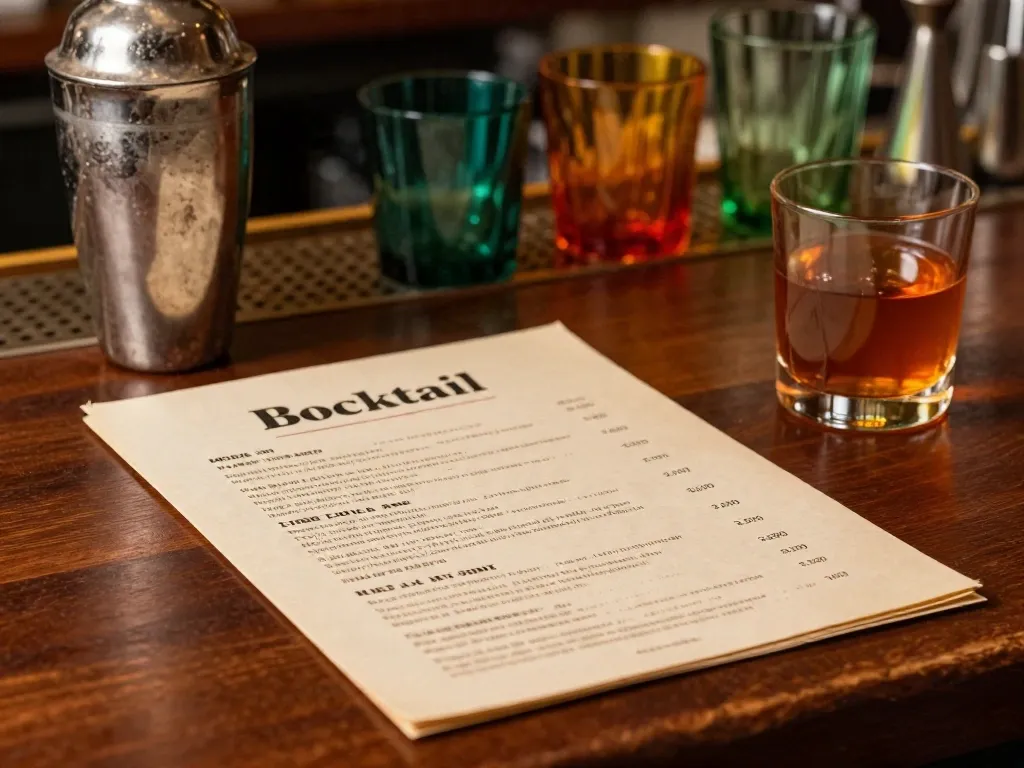
The Nostalgic Allure of Mid-Century Aesthetics
The Visual Appeal of Vintage Design
Mid-century design, characterized by clean lines, organic shapes, and bold colors, has seen a significant resurgence in various aspects of culture, including cocktail menus. The visual aesthetics of this era evoke a sense of sophistication and charm that many modern drinkers find irresistible. Bars and restaurants are increasingly adopting retro typography, playful graphics, and vintage illustrations that harken back to a time when cocktails were not just drinks but experiences.
For instance, menus featuring classic cocktails like the Martini or Old Fashioned are often designed with a nostalgic flair, using pastel colors and geometric patterns reminiscent of the 1950s and 1960s. This visual appeal not only attracts customers but also enhances the overall drinking experience, making it feel special and curated.
How Retro Themes Enhance Modern Cocktails
Incorporating mid-century themes allows bartenders to present modern interpretations of classic cocktails in a way that feels both authentic and innovative. The aesthetic appeal of these themes helps bridge the gap between the past and present, allowing patrons to appreciate the heritage of their drinks while enjoying contemporary twists. For example, a bar might serve a Negroni with house-made vermouth, garnished with a twist of orange peel, all presented on a menu that features an art deco style.
This blend of old and new is particularly appealing to younger generations, such as millennials and Gen Z, who are drawn to experiences that are both stylish and Instagram-worthy. By creating a cohesive retro theme, bars can enhance the drinking experience and encourage patrons to share their experiences on social media, further propagating the mid-century revival.
The Role of Nostalgia in Consumer Choices
Nostalgia plays a pivotal role in consumer behavior, particularly in the food and drink industry. Many individuals find comfort and joy in revisiting the past, and mid-century cocktail menus offer a perfect avenue for this exploration. A survey conducted by Mintel revealed that 60% of adults enjoy trying foods and drinks that remind them of their childhood or earlier decades.
This nostalgic allure extends beyond personal memories; it taps into a collective yearning for a simpler time, especially amidst the complexities of modern life. As a result, bars that curate mid-century cocktail menus can create a sense of belonging and emotional connection among their patrons, leading to increased customer loyalty and repeat visits.
The Rise of Craft Cocktails and Artisanal Ingredients
Revival of Classic Recipes and Techniques
The craft cocktail movement has played an instrumental role in the resurgence of mid-century cocktail menus. Enthusiastic mixologists are reviving classic recipes and techniques, focusing on the fundamentals of cocktail creation that characterized the mid-20th century. Bars are investing in vintage spirits and liqueurs, such as Campari or Gordon's Gin, which were staples during this era.
For example, the Manhattan, a quintessential mid-century cocktail, is being reimagined with artisanal bitters and small-batch bourbons that enhance its flavor profile while paying homage to its origin. This revival not only celebrates the history of cocktails but also invites cocktail enthusiasts to engage with the craft in a meaningful way.
Emphasis on Quality over Quantity
As consumers become more discerning about their beverage choices, the emphasis on quality over quantity has never been more pronounced. Mid-century cocktail menus align perfectly with this trend, as they often feature carefully curated selections that prioritize artisanal ingredients and handcrafted techniques. Many bars now source local, organic produce for fresh mixers and garnishes, elevating traditional cocktails to new heights.
A notable example is the use of house-made syrups and infusions, which can transform a simple Daiquiri into something extraordinary. By focusing on the quality of ingredients and presentation, bars can create an experience that feels exclusive and luxurious, reminiscent of the classic cocktail lounges of the mid-century.
Influence of Mixology Culture on Menu Design
The modern mixology culture has significantly influenced how cocktail menus are designed and presented. Inspired by mid-century aesthetics, many bartenders are crafting menus that not only list drinks but also tell a story. This narrative approach allows patrons to connect with the cocktails on a deeper level, understanding the history and inspiration behind each drink.
Some bars have taken this a step further by incorporating QR codes that link to detailed descriptions or videos of the cocktails being prepared. This innovative approach not only adds an interactive element to the experience but also aligns with the mid-century emphasis on craftsmanship and attention to detail.
Social Media and the Revival of Cocktail Culture
The Impact of Instagram on Cocktail Presentation
Instagram has transformed the way people engage with food and drink, making visual appeal more important than ever. Bars that embrace mid-century cocktail menus have capitalized on this trend by presenting their drinks in visually striking ways. From elaborate garnishes to unique glassware, the focus on aesthetics encourages patrons to share their experiences on social media.
For example, a bar serving a Pisco Sour might use a vintage coupe glass adorned with a delicate flower, creating an Instagrammable moment that patrons are eager to capture and share. This not only promotes the bar but also reinforces the allure of mid-century cocktails, attracting more customers who are drawn to the aesthetic.
How Hashtags Drive Interest in Vintage Menus
Hashtags play a significant role in driving interest in vintage cocktail menus on platforms like Instagram. By using hashtags such as #MidCenturyCocktails or #RetroDrinks, bars can connect with a wider audience and tap into the growing community of cocktail enthusiasts. This online engagement often translates to increased foot traffic as curious patrons seek out the unique experiences showcased on their feeds.
Some establishments have even created their own signature hashtags to encourage customers to share their drinks, fostering a sense of community and interaction. This user-generated content helps maintain interest in the mid-century cocktail revival, making it a focal point for cocktail culture enthusiasts.
Creating Shareable Experiences through Mid-Century Themes
Creating shareable experiences is pivotal in the modern dining landscape. Bars that embrace mid-century themes often host events or themed nights that encourage patrons to engage with the aesthetic in a fun and interactive way. For instance, a bar might organize a “Mad Men” night, complete with period-appropriate cocktails and attire, drawing in crowds eager to participate in the nostalgia.
These events not only enhance the drinking experience but also provide ample opportunities for social media sharing, as patrons capture memories and moments that resonate with the mid-century theme. The combination of great drinks, engaging activities, and a nostalgic atmosphere creates a perfect storm for shareable experiences that reinforce the revival of mid-century cocktail menus.
The Influence of Pop Culture and Media
How Movies and TV Shows Spark Interest in Retro Cocktails
Pop culture has a profound impact on trends, and in recent years, television shows and movies set in the mid-century era have reignited interest in classic cocktails. Shows like Mad Men have not only showcased the glamour of the 1960s but have also brought cocktails like the Whiskey Sour and Sazerac back into the spotlight.
These portrayals often romanticize the cocktail culture of the time, inspiring viewers to seek out the same experiences in their local bars. As a result, many establishments have updated their menus to reflect the drinks popularized by these media representations, tapping into a newfound appreciation for mid-century classics.
Celebrating Mid-Century Icons in Modern Bars
Many bars have embraced the opportunity to celebrate mid-century icons through their cocktail menus and overall ambiance. Establishments may pay homage to figures like Frank Sinatra or James Bond, creating signature cocktails inspired by their favorite drinks. This not only attracts fans of these icons but also enhances the overall mid-century theme, drawing in a diverse clientele.
For example, a bar might craft a Vesper Martini as a tribute to James Bond, complete with a sleek, modern twist on the classic recipe. By integrating cultural references, bars can create a richer narrative around their cocktails, encouraging patrons to engage with the drinks in a meaningful way.
The Role of Influencers in Reintroducing Vintage Menus
Influencers play a crucial role in shaping trends, and many have embraced the mid-century cocktail revival. By showcasing their experiences in bars that highlight vintage menus, these influencers can spark interest among their followers, encouraging them to seek out similar experiences.
For instance, cocktail influencers may host events or create content that features mid-century drinks, complete with tasting notes and historical context. This not only educates their audience but also elevates the perceived value of mid-century cocktails, encouraging more bars to adopt similar menus to attract this engaged following.
Mixology Events and Themed Experiences
The Popularity of Cocktail Classes Featuring Mid-Century Drinks
Cocktail classes have become increasingly popular as consumers seek to learn the art of mixology. Many of these classes focus on mid-century cocktails, teaching participants about classic recipes, techniques, and the history behind each drink. This hands-on approach allows attendees to connect with the culture surrounding mid-century cocktails while also enjoying the fruits of their labor.
Bars that offer these classes often see a spike in interest, as participants leave with a newfound appreciation for cocktails and a desire to share their experiences with friends, further promoting the mid-century revival.
How Bars Use Theme Nights to Attract Customers
Theme nights centered around mid-century cocktails have become a popular strategy for bars looking to attract customers. These events often feature live music, period-appropriate decor, and, of course, a menu filled with classic cocktails. For example, a “Tiki Night” might highlight tropical drinks like the Mai Tai and Pina Colada, while a “Speakeasy Night” could focus on Prohibition-era cocktails.
By creating an immersive experience that transports patrons back in time, bars can generate buzz and excitement, encouraging customers to return for future theme nights and increasing overall engagement with mid-century cocktail culture.
Collaborative Events Highlighting Historical Cocktail Trends
Collaborative events that bring together multiple bars or mixologists to celebrate mid-century cocktails are becoming increasingly popular. These events not only showcase a variety of interpretations of classic drinks but also foster a sense of community among cocktail enthusiasts. For example, a city-wide cocktail festival might feature a “Mid-Century Classics” theme, with various bars offering their unique spins on drinks like the Tom Collins or Sidecar.
Through these collaborative efforts, bars can create a buzz around mid-century cocktails, drawing in both locals and tourists eager to experience the nostalgia and craftsmanship that these drinks represent.
Comments
No comments yet.
Leave a comment