

The Rise of Short-Form Vertical Drama in Streaming Services
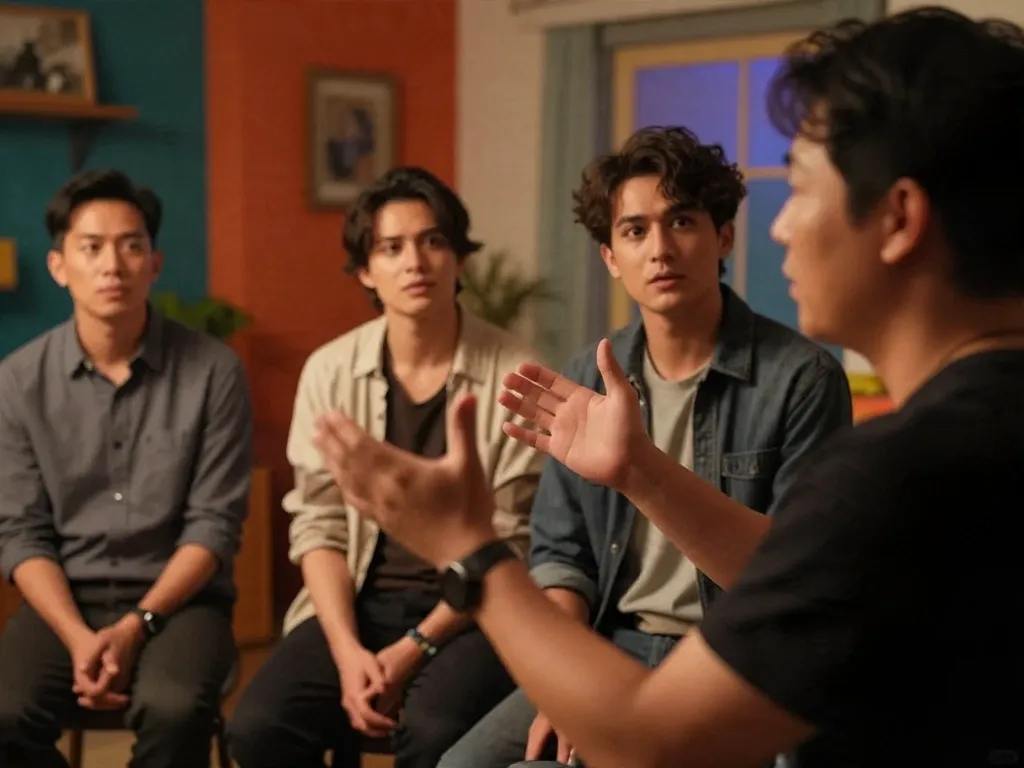
Defining Short-Form Vertical Drama
Short-form vertical drama represents a burgeoning genre within the streaming landscape, characterized by its brief episodes and unique presentation format designed for mobile devices. Typically ranging from 5 to 15 minutes per episode, these dramas are optimized for vertical viewing, catering to the rising number of consumers who engage with content primarily on their smartphones. This format diverges significantly from traditional horizontal television content, challenging creators to distill storytelling into concise, engaging narratives that retain viewer attention.
Key Players in the Market
The landscape of short-form vertical dramas has quickly evolved, with several key players emerging as leaders. Platforms like Quibi (though it has since shut down), Snapchat, and TikTok have pioneered this content style, creating a space where short, episodic narratives can flourish. Snapchat's Snap Originals and TikTok's emphasis on user-generated content have proven that audiences are receptive to quick engaging stories. Additionally, established streaming services like Netflix and Amazon Prime Video have begun experimenting with short-form vertical dramas, recognizing their potential to capture a younger, mobile-first demographic.
Evolution from Traditional Formats
The transition from traditional television formats to short-form vertical dramas stems from several factors, including technological advancements and shifting consumer behavior. Audiences increasingly prefer content that fits into their busy lifestyles, leading to a demand for shorter, more digestible episodes. The introduction of high-speed internet and mobile devices has further supported this shift, allowing viewers to consume content on-the-go. In contrast to the traditional 30- or 60-minute episode format, short-form vertical dramas can deliver compelling narratives in a fraction of the time, making them highly appealing for today's fast-paced world.
Impact on Audience Engagement and Viewing Habits
Short Attention Spans and Content Consumption
Research indicates that the average human attention span has decreased significantly over the years, with recent studies suggesting it now hovers around 8 seconds. This trend has profound implications for content creators, as they must capture viewer interest almost instantaneously. Short-form vertical dramas cater directly to this challenge, offering quick bursts of entertainment that can be consumed anywhere, anytime. For instance, TikTok videos, many of which tell complete stories in under a minute, have garnered billions of views, demonstrating the effectiveness of this format in engaging audiences.
Interactive Features and Viewer Participation
Many short-form vertical dramas incorporate interactive features that enhance viewer engagement. Platforms like Snapchat allow audiences to make choices that influence the storyline, creating a more immersive experience. This participatory element not only fosters a deeper connection with the content but also encourages viewers to share their experiences on social media, further amplifying the reach of the drama. Examples include Snapchat's “The Dead Girls Detective Agency”, where users can interact with the narrative, creating a blend of storytelling and gaming that appeals to younger audiences.
Social Media Integration and Sharing
Social media's role in the success of short-form vertical dramas cannot be overstated. These platforms facilitate easy sharing and discussion of content, which is crucial for building a community around a show. For instance, TikTok's algorithm promotes videos that resonate with viewers, leading to viral trends and challenges that can propel a series to widespread popularity. The shareability of short-form content aligns perfectly with the social nature of platforms like Instagram and Facebook, where users are more likely to share quick snippets of engaging drama rather than long-form episodes.
Production and Creative Challenges
Budget Constraints and Resource Allocation
While the short-form vertical drama format presents opportunities, it also comes with unique production challenges. Budget constraints often limit the resources available for production, leading to a need for creativity within tight financial parameters. For example, platforms like Quibi initially invested heavily in high-profile talent but had to balance their spending with the expectation of rapid content creation. This has made creators rethink their approaches, often relying on innovative storytelling techniques and minimalistic production designs to deliver quality content.
Writing and Storytelling Techniques
The brevity of short-form vertical dramas necessitates a reevaluation of traditional storytelling techniques. Writers must craft compelling narratives that can hook viewers quickly, often employing cliffhangers or intriguing character arcs within a limited timeframe. This has led to innovative writing styles where every second counts, necessitating sharp dialogue and concise plots that still manage to evoke emotional responses. Shows like “The Not-Too-Late Show with Elmo” on HBO Max exemplify how to blend humor, heart, and storytelling effectively within a short format.
Adapting Visual Aesthetics for Vertical Formats
Creating visually captivating content for a vertical format poses additional challenges for filmmakers. Traditional cinematography, which often relies on horizontal framing, must adapt to ensure that visuals remain engaging on smaller screens. This has led to a shift in visual aesthetics, emphasizing close-ups and dynamic movements that translate well to vertical viewing. As platforms continue to evolve, so too will the techniques used to create visually stunning short-form dramas that captivate audiences.
Market Trends and Future Predictions
Emerging Platforms and Distribution Methods
The short-form vertical drama genre is on the brink of further expansion, driven by new platforms and distribution methods. With the rise of mobile-first platforms, we can expect an influx of content specifically designed for vertical viewing. Services like Facebook Watch and YouTube Shorts are already experimenting with short-form content, indicating a broader trend toward diverse distribution channels that cater to evolving viewer preferences. The emphasis on mobile accessibility will likely continue to shape how content is created and consumed in the future.
Audience Demographics and Target Markets
The audience for short-form vertical dramas is predominantly younger, with a significant portion consisting of Gen Z and Millennials. According to a 2022 report, nearly 70% of Gen Z prefers watching short-form content over traditional television. This demographic is not only tech-savvy but also values authenticity and engagement, making them a prime target for interactive and participatory storytelling. As creators realize the importance of tailoring content to this audience, we can expect to see more inclusive and diverse narratives that resonate with younger viewers.
Potential for Genre Expansion and Innovation
As the short-form vertical drama format continues to gain traction, there is immense potential for genre expansion and innovation. While currently dominated by comedy and drama, we can anticipate the emergence of various genres, including horror, sci-fi, and documentary-style narratives. Platforms like Instagram and TikTok have already seen successful adaptations of horror short stories, demonstrating the format's versatility. The flexibility of short-form content allows for creative experimentation, inviting storytellers to push boundaries and redefine what narratives can look like in this evolving landscape.
Case Studies: Successful Short-Form Vertical Dramas
Analysis of Popular Titles
Several short-form vertical dramas have achieved notable success, providing valuable insights into the format's potential. One standout example is “The Come Up”, a series on Snapchat that follows the lives of young aspiring artists in a vibrant urban setting. Each episode captures a moment of their journey in a visually engaging manner, resonating with the platform's youthful audience. Another notable title, “The Daily Show: The Podcast”, has successfully adapted humorous commentary into short, digestible segments that appeal to viewers seeking quick entertainment.
Viewer Reception and Critical Acclaim
Viewer reception of short-form vertical dramas has generally been positive, with many titles receiving critical acclaim for their innovation and creativity. For instance, “Ruthless”, a short-form drama on YouTube, garnered praise for its gripping storytelling and strong character development, despite its brief runtime. This success underscores the potential for short-form content to compete with traditional long-form narratives, proving that compelling stories can be told in a fraction of the time.
Lessons Learned and Industry Implications
The rise of short-form vertical dramas has imparted several crucial lessons for the entertainment industry. First, it has highlighted the importance of adaptability in content creation, as platforms and audiences continue to evolve. Second, it emphasizes the necessity of understanding audience demographics and catering to their preferences for engagement and interaction. Finally, the success of these dramas reinforces the idea that storytelling can transcend traditional formats, paving the way for innovative approaches that challenge established norms.


Comments
No comments yet.
Leave a comment