
Understanding the Audience: Research and Insights
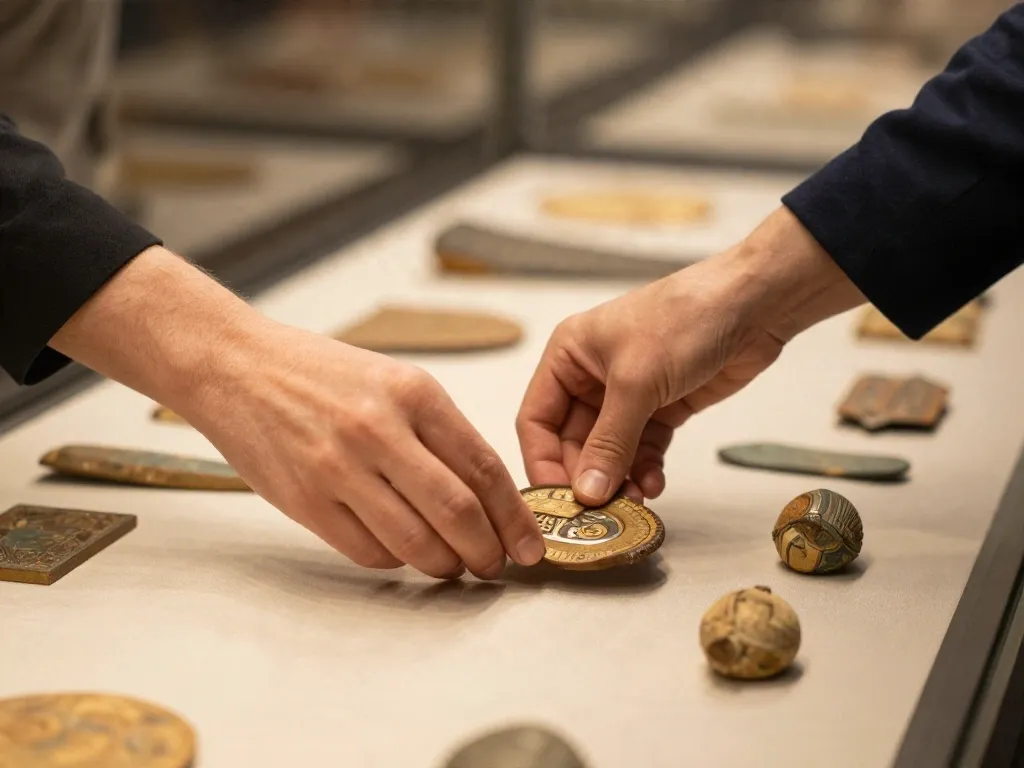
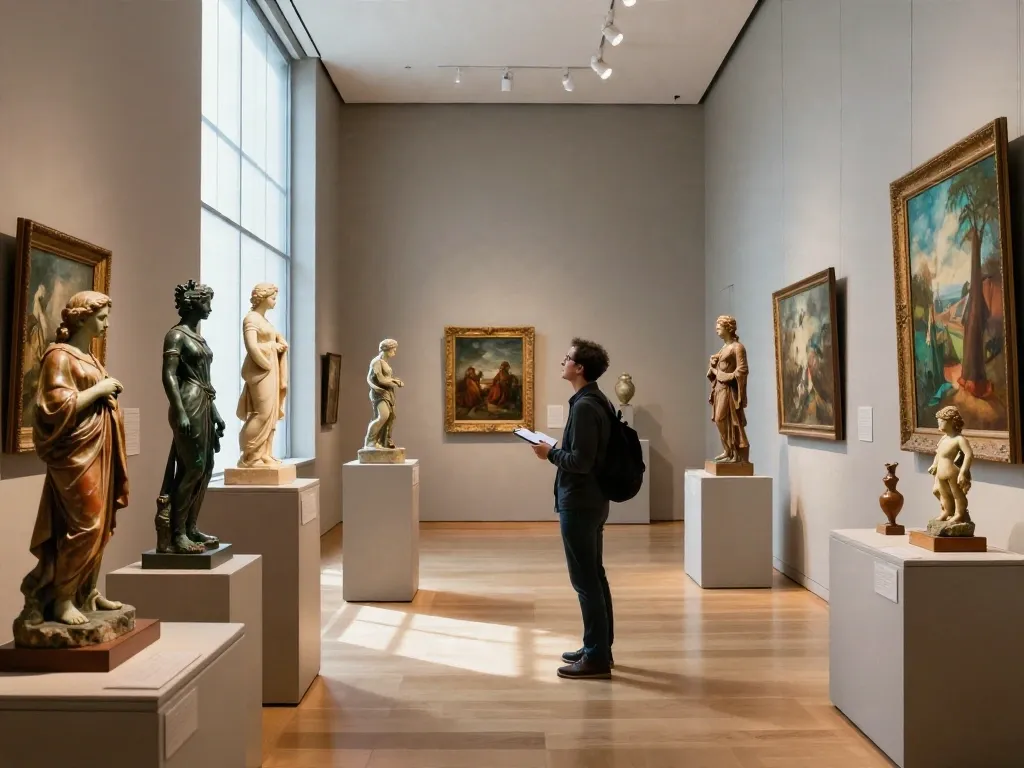
Museum curators play a crucial role in the success of blockbuster exhibits. To create impactful experiences that resonate with visitors, they must first understand their audience. This understanding is built on research and insights that guide decisions from concept development to marketing strategies.
Identifying Demographics
The first step in understanding the audience involves identifying demographics. Curators utilize a mix of qualitative and quantitative research methods to gather data on potential visitors. Age groups, cultural backgrounds, and interests are analyzed to tailor exhibits that appeal to a broad spectrum of individuals. For instance, the "Van Gogh: The Immersive Experience" exhibit, which has toured various cities, effectively identified its audience. By targeting families, art enthusiasts, and even educational institutions, the exhibit attracted over 3 million visitors globally since its inception in 2017. This demographic insight led to tailored programming, including family days, workshops, and school field trips, enhancing the overall experience.
Gathering Visitor Feedback
Feedback from previous exhibits provides invaluable insights. Curators often conduct surveys post-exhibit to gather visitor impressions, preferences, and suggestions for improvement. This feedback loop helps refine future exhibits. An example can be seen in the Smithsonian National Museum of Natural History's "Hope Diamond" exhibit. After gathering feedback on the display's educational components, curators expanded the interactive elements, leading to a 30% increase in visitor engagement during subsequent displays.
Analyzing Trends in Museum Attendance
Curators must also analyze attendance trends to identify patterns in visitor behavior. By examining metrics such as peak times, popular exhibits, and demographic shifts, curators can better plan future exhibits. For instance, the Metropolitan Museum of Art in New York City noted a significant increase in attendance during summer months. This insight led to the development of summer blockbuster exhibits, such as "Michelangelo: Divine Draftsman and Designer," which drew in over 700,000 visitors in just a few months, outperforming previous summer exhibitions.
Curatorial Themes: Concept Development
Once the audience is understood, curators move on to developing the conceptual framework of the exhibit. This stage is crucial for creating a cohesive and engaging narrative that captures the essence of the exhibit.
Choosing a Central Narrative
A central narrative is essential for guiding the exhibit’s development. Curators must decide on a theme that resonates with the identified audience while also providing educational value. For example, the "Titanic: The Artifact Exhibition" told the story of the ill-fated voyage through artifacts recovered from the ocean floor. This narrative not only captivated visitors but also provided a poignant exploration of human tragedy and resilience. The exhibit has traveled worldwide, attracting over 25 million visitors since its launch in 1987.
Incorporating Interdisciplinary Perspectives
Blockbuster exhibits often benefit from interdisciplinary approaches, combining art, science, history, and culture. This integration enriches the visitor experience and broadens the appeal of the exhibit. The "Frida Kahlo: Appearances Can Be Deceiving" exhibit at the V&A Museum in London effectively combined art with social history, exploring Kahlo's identity through her paintings, personal items, and biographical context. The interdisciplinary approach attracted an audience beyond art aficionados, reaching historians and feminists alike.
Balancing Artistic and Educational Objectives
Curators must also balance artistic expression with educational objectives. While the visual impact of an exhibit is vital for drawing in visitors, the educational component enhances the overall experience and fosters a deeper understanding of the subject matter. The "Body Worlds" exhibit, which showcases preserved human bodies, exemplifies this balance. It combines stunning visual displays with informative panels detailing anatomy and health, resulting in an engaging experience that has attracted millions of visitors while promoting health education.
Designing the Space: Layout and Flow
The physical layout of an exhibit significantly influences visitor experience. Curators consider various design elements to create a space that is both visually appealing and functionally effective.
Creating Immersive Environments
Immersive environments draw visitors into the exhibit, enhancing engagement and emotional connection. Curators often use thematic elements, interactive displays, and multimedia to create a holistic experience. The "Harry Potter: The Exhibition" is a prime example, featuring detailed recreations of iconic settings, props, and costumes from the film series. The immersive environment allowed fans to step into the wizarding world, resulting in over 4 million visitors across multiple cities since its launch in 2009.
Strategic Use of Lighting and Sound
Lighting and sound play a crucial role in setting the mood and guiding visitor flow. Curators must strategically use these elements to highlight key pieces while ensuring a comfortable viewing experience. For instance, the "Van Gogh Alive" exhibit utilizes dynamic lighting and soundscapes to create an immersive experience that brings the artist's works to life. The combination of visual projections and music creates an emotional atmosphere, drawing visitors into Van Gogh's world.
Ensuring Accessibility and Engagement
Accessibility is a top priority for curators when designing exhibits. Ensuring that all visitors, regardless of physical ability, can engage with the content is essential. This includes providing wheelchair access, tactile exhibits, and audio guides. The American Museum of Natural History has made significant strides in this area, offering sensory-friendly hours and exhibits specifically designed for visitors with autism and sensory sensitivities. These efforts have broadened access and increased attendance from diverse communities.
Collaboration: Engaging Artists and Experts
Collaboration is vital in the creation of blockbuster exhibits. Curators often work with a range of professionals to enrich the exhibit's content and presentation.
Building Partnerships with Creatives
Curators frequently collaborate with artists, designers, and other creatives to bring fresh perspectives and innovative ideas to the exhibit. These partnerships can lead to unique installations that capture the audience's attention. An excellent example is the collaboration between the Museum of Modern Art (MoMA) and artist Olafur Eliasson for the "Take Your Time" exhibition. Eliasson’s interactive installations encouraged visitors to engage with art in new ways, resulting in a highly successful exhibit that attracted over 350,000 visitors.
Involving Community Stakeholders
Engaging with community stakeholders is another essential aspect of collaboration. Curators often involve local artists, historians, and cultural organizations to ensure that the exhibit reflects the community's identity and values. The "African American Art: Harlem Renaissance, Civil Rights Era, and Beyond" exhibit at the Smithsonian American Art Museum illustrates this approach. By incorporating local voices and narratives, the exhibit resonated with audiences, leading to increased attendance from diverse community members.
Leveraging Expertise from Various Fields
Lastly, curators benefit from leveraging expertise from various fields, including historians, scientists, and educators. This interdisciplinary input enhances the depth and richness of the exhibit. The "Science Behind Pixar" exhibit at the Museum of Science, Boston, exemplifies this collaboration. By involving industry professionals and educators, the exhibit provided insights into the animation process, drawing in both families and aspiring animators, resulting in over 250,000 visitors.
Marketing and Promotion: Attracting Visitors
Once the exhibit is developed, effective marketing and promotion are crucial for attracting visitors. Curators must craft compelling narratives and utilize various platforms to reach their target audience.
Crafting Compelling Narratives for Advertising
A strong narrative is essential for marketing blockbuster exhibits. Curators must create a storyline that captures the essence of the exhibit and entices potential visitors. The "David Bowie Is" exhibit, which showcased the life and career of the iconic musician, utilized a compelling narrative in its marketing campaigns. The combination of Bowie’s innovative artistry and personal story attracted over 1.5 million visitors worldwide, effectively showcasing the power of narrative in promotion.
Utilizing Social Media and Digital Campaigns
Social media and digital campaigns are vital tools for modern marketing strategies. Curators can engage potential visitors through visually engaging content, behind-the-scenes glimpses, and interactive posts on platforms like Instagram, Facebook, and Twitter. The "Beyond Van Gogh: The Immersive Experience" exhibit successfully leveraged social media to create buzz, using captivating visuals and engaging content to draw in over 1 million visitors in its first year alone.
Creating Buzz Through Special Events and Previews
Special events and previews are effective tactics for generating excitement around blockbuster exhibits. Curators often host opening nights, VIP previews, and themed events to attract media attention and engage potential visitors. The "Monet and Friends" exhibit at the Denver Art Museum hosted a special opening night with live music, themed cocktails, and an exclusive first look at the exhibit. This event generated significant media coverage and resulted in strong ticket sales, demonstrating the effectiveness of strategic event planning.
Conclusion
Crafting blockbuster exhibits is a multifaceted process that requires a deep understanding of the audience, thoughtful concept development, meticulous design, collaborative efforts, and strategic marketing. By focusing on these critical elements, museum curators can create impactful experiences that resonate with visitors and leave a lasting impression. The success of blockbuster exhibits is not merely measured by attendance numbers but by the connections they foster between art, culture, and the community.



Comments
No comments yet.
Leave a comment