
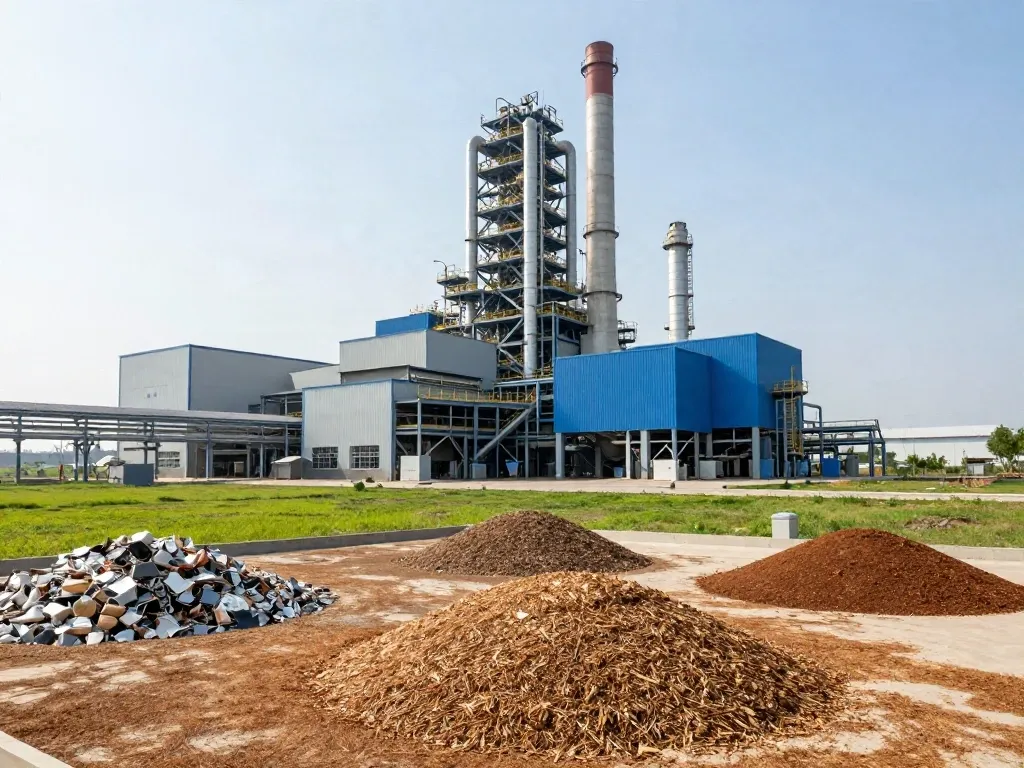
Overview of Alternative Fuels in Cement Manufacturing
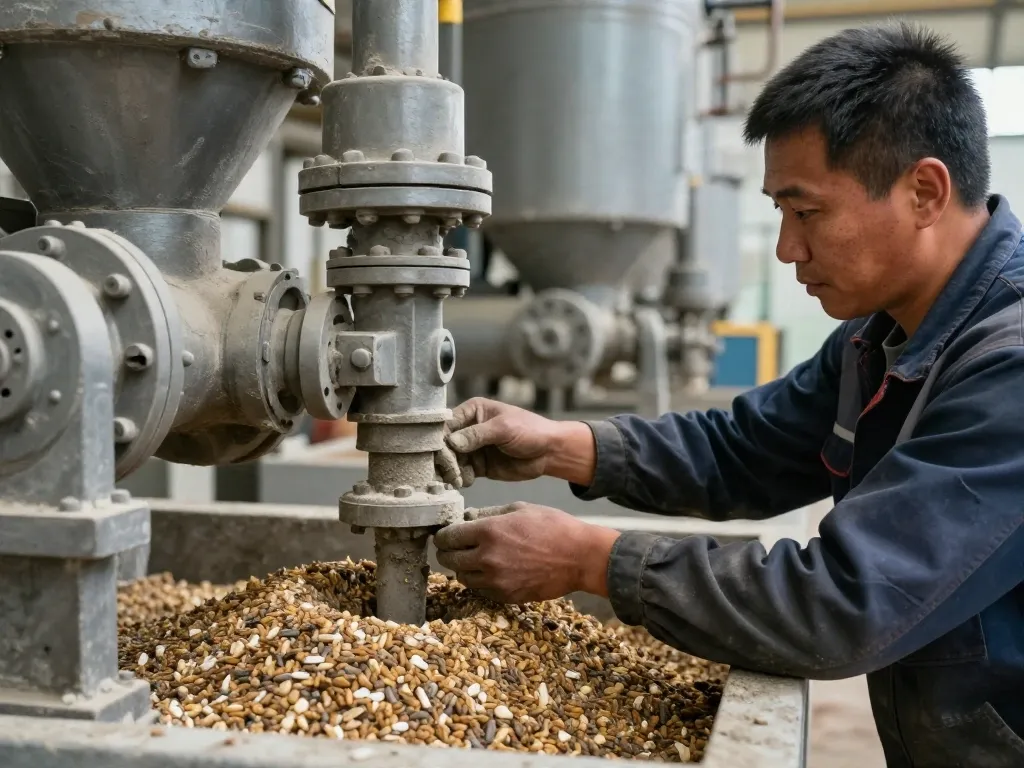
Definition and Importance of Alternative Fuels
Alternative fuels in the cement manufacturing process refer to non-conventional energy sources that can replace traditional fossil fuels, such as coal, oil, and natural gas, in the production of cement. The use of alternative fuels is critical for the cement industry, which is one of the largest industrial sources of carbon dioxide emissions globally. By substituting traditional fuels with alternative options, cement plants can significantly reduce their carbon footprint, enhance sustainability, and contribute to circular economy principles.
Current Fuel Mix in Cement Plants
As of 2023, the global cement industry predominantly relies on fossil fuels, which account for about 80% of the total energy consumed during the production process. The typical fuel mix includes coal (50%), petcoke (25%), and natural gas (5-10%). The remaining 10-20% comprises alternative fuels, which vary widely by region and facility. For instance, some European nations have made significant strides in increasing the use of alternative fuels, achieving up to 60% substitution rates in some plants.
Environmental Impacts of Traditional Fuels
The reliance on traditional fossil fuels for cement production poses severe environmental challenges. The combustion of these fuels releases a substantial amount of greenhouse gases (GHGs), primarily CO2. It is estimated that the cement sector contributes approximately 8% of global CO2 emissions. Furthermore, traditional fuels can lead to other environmental issues such as air pollution, acid rain, and habitat destruction due to mining activities. Thus, transitioning to alternative fuels is not only beneficial but imperative for the sustainability of the cement industry.
Types of Alternative Fuels for Cement Plants
Biomass and Organic Waste
Biomass, which includes organic materials such as wood chips, agricultural residues, and animal waste, represents a promising alternative fuel for cement plants. These materials are often locally sourced, minimizing transportation emissions. For example, a cement plant in Brazil successfully utilized sugarcane bagasse, achieving a 40% reduction in fossil fuel use. Biomass is carbon-neutral in nature, as the CO2 released during combustion is offset by the CO2 absorbed during the growth of the plants.
Industrial Waste and By-Products
Utilizing industrial waste materials, such as tire-derived fuel (TDF), plastic waste, and slag from steel production, can significantly contribute to the energy needs of cement plants. TDF, for instance, provides a high calorific value, making it an efficient alternative. A case study from a German cement plant highlighted that incorporating TDF allowed them to reduce fossil fuel consumption by nearly 30%. The use of industrial by-products not only reduces waste sent to landfills but also optimizes the raw material mix in the cement manufacturing process.
Refuse-Derived Fuel (RDF)
Refuse-Derived Fuel (RDF) is produced from municipal solid waste that has been processed to remove non-combustible materials. RDF has gained traction as a sustainable energy source due to its availability and potential to replace a significant portion of fossil fuels in cement production. For example, a cement facility in Italy reported an impressive 50% fuel substitution rate using RDF, contributing to lower operational costs and enhanced sustainability.
Benefits of Fuel Substitution in Cement Production
Cost Reduction and Economic Viability
One of the primary benefits of substituting alternative fuels in cement production is the potential for cost savings. Fossil fuel prices can be volatile, leading to unpredictable operational costs. In contrast, alternative fuels, particularly waste-derived ones, can often be sourced at lower or even negative costs due to disposal fees. For instance, a cement plant in the UK reported savings of approximately $2 million annually after implementing a fuel substitution strategy that included locally sourced biomass and RDF.
Reduction of Carbon Footprint
Transitioning to alternative fuels significantly reduces the carbon emissions associated with cement production. According to the International Energy Agency (IEA), switching to alternative fuels can lower GHG emissions by 20-40% depending on the fuel type and mix used. A notable example includes a cement plant in Sweden, which achieved a reduction of over 60% in carbon emissions by utilizing a blend of biomass and industrial waste.
Regulatory Compliance and Incentives
Governments worldwide are increasingly imposing stricter regulations on carbon emissions and providing incentives for cleaner technologies. By adopting alternative fuels, cement plants can ensure compliance with regulations, avoid potential fines, and even benefit from financial incentives. For instance, in the European Union, cement manufacturers that achieve higher alternative fuel usage are eligible for carbon credits and subsidies, further enhancing their economic viability.
Challenges in Implementing Alternative Fuel Strategies
Technical and Operational Barriers
Despite the numerous benefits, the implementation of alternative fuel strategies in cement plants is not without challenges. Technical barriers include the need for modifications to existing equipment to accommodate different fuel types. For example, alternative fuels may have varying combustion characteristics, requiring adjustments in the kiln design and burning parameters. A cement plant in India faced significant downtime and additional costs during the transition to utilizing TDF due to necessary modifications in their kiln systems.
Supply Chain and Logistics Issues
Effective supply chain management is crucial for the successful integration of alternative fuels. The availability and consistency of alternative fuel supply can be a significant hurdle. Transportation logistics can also complicate matters, especially if fuels are sourced from various locations. A cement plant in the United States struggled with supply chain disruptions when trying to establish a consistent supply of local biomass, impacting their operational efficiency.
Quality Control and Consistency of Alternative Fuels
Maintaining quality control and fuel consistency is essential for optimal cement production. Alternative fuels can vary significantly in calorific value and composition, which may lead to inconsistencies in the production process. For instance, a cement plant in Australia encountered challenges with fluctuating quality when integrating various organic waste materials, leading to operational inefficiencies and increased emissions. Developing stringent quality control measures and establishing reliable supplier partnerships is critical to overcoming these challenges.
Case Studies of Successful Fuel Substitution in Cement Plants
European Cement Industry Initiatives
Europe has been at the forefront of adopting alternative fuels in the cement sector. The European Cement Research Academy (ECRA) has documented several initiatives where plants have successfully integrated alternative fuels. For example, a group of cement manufacturers in Germany collectively achieved an average of 50% alternative fuel usage by investing in advanced technologies and fostering partnerships with waste management companies. This collaborative approach not only improved environmental performance but also enhanced economic viability.
Innovative Approaches in Emerging Markets
Emerging markets are increasingly recognizing the potential of alternative fuels for cement production. In countries like India and Brazil, innovative approaches have been employed to utilize locally available waste materials. A notable example is the implementation of a pilot project in India, where a cement plant utilized agricultural residues and construction debris, achieving a 30% reduction in fossil fuel consumption. This project not only addressed waste management issues but also promoted local employment opportunities.
Lessons Learned from Pilot Projects
Many pilot projects around the world have provided valuable insights into the successful implementation of alternative fuels in cement plants. One significant lesson is the importance of stakeholder engagement, including local communities, regulatory bodies, and supply chain partners. A pilot project in Mexico demonstrated that involving stakeholders early in the planning process led to smoother transitions and greater acceptance of alternative fuel initiatives. Additionally, continuous monitoring and adaptation of strategies based on performance metrics proved crucial for long-term success.
Comments
No comments yet.
Leave a comment