
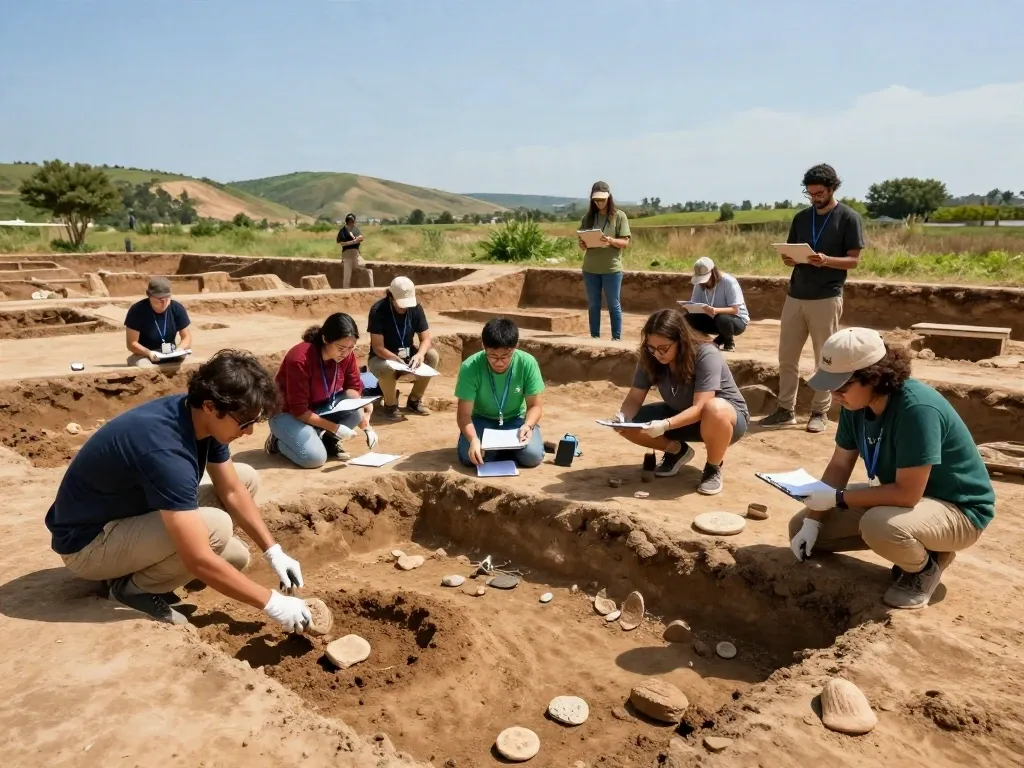
Understanding the Role of Amateur Archaeologists
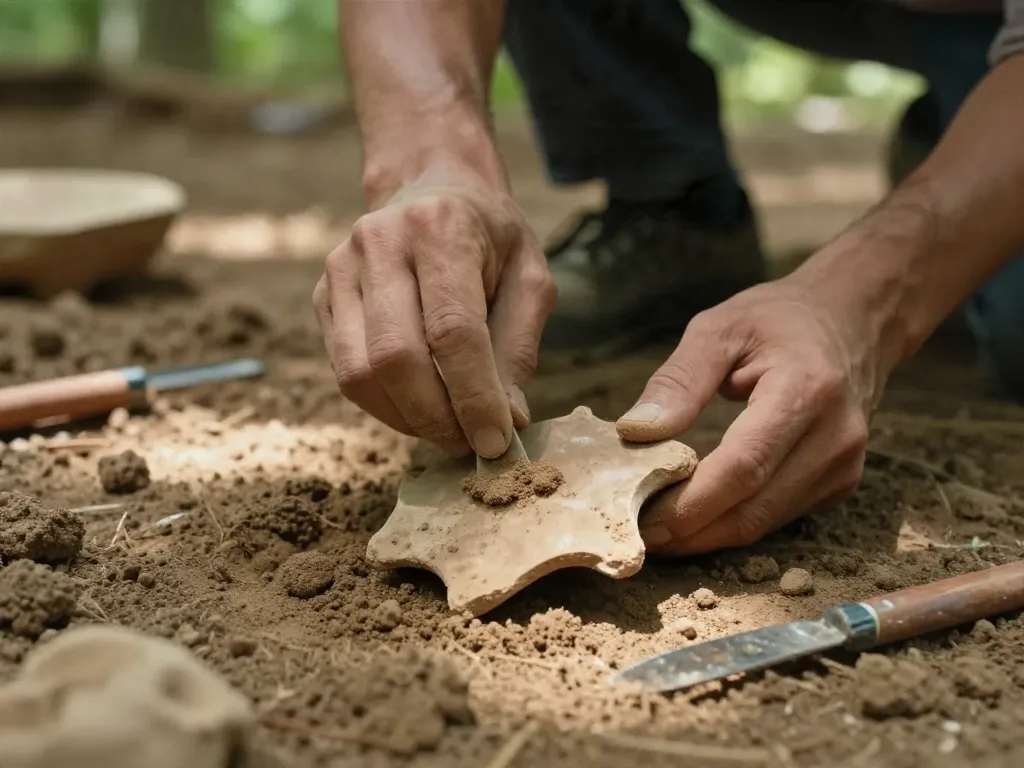
Definition and Purpose of Amateur Archaeology
Amateur archaeology refers to the practice of individuals engaging in archaeological activities without formal training or professional status. These enthusiasts, often referred to as amateur archaeologists, play a crucial role in the exploration, preservation, and understanding of historical sites. Their motivations can vary from a personal passion for history and culture to a desire to contribute to scientific research.
The purpose of amateur archaeology is multifaceted. Primarily, it aims to foster a greater appreciation for archaeological science and heritage preservation among the public. Amateur archaeologists often participate in excavations and surveys, helping to unearth artifacts and data that can provide insights into past civilizations. While they may lack formal training, their contributions can supplement professional archaeologists’ efforts, especially in fieldwork and site management.
Benefits of Volunteering in Archaeological Digs
Volunteering in archaeological digs offers numerous benefits, both for the site and the individual volunteer. Here are some key advantages:
- Hands-on Experience: Volunteers gain practical experience in excavation techniques, artifact identification, and site documentation.
- Networking Opportunities: Working alongside professionals allows volunteers to connect with experienced archaeologists, who can provide guidance and mentorship.
- Cultural Enrichment: Volunteers often immerse themselves in local history and cultures, enhancing their appreciation for global heritage.
- Personal Fulfillment: Many volunteers find joy and satisfaction in contributing to knowledge and preservation efforts, often forming lifelong friendships with like-minded individuals.
Skills and Knowledge Gained Through Participation
Engaging in archaeological digs allows amateur archaeologists to acquire a variety of skills and knowledge, including:
- Excavation Techniques: Learning proper digging methods, stratigraphy, and the careful handling of artifacts.
- Field Recording: Understanding how to document findings accurately, including taking notes and making drawings.
- Artifact Analysis: Gaining insight into how to identify, categorize, and preserve various types of artifacts.
- Collaboration Skills: Working in teams fosters communication and project management abilities, crucial in any professional environment.
Finding Opportunities for Volunteering
Researching Local and International Dig Sites
Finding the right dig site to volunteer at requires diligent research. Potential volunteers should start by exploring local archaeological societies, universities, and museums that often host digs. Websites of these organizations frequently list upcoming volunteer opportunities and field schools. For those willing to travel, international digs can be found through global archaeological organizations offering programs in countries rich in history, such as Greece, Egypt, or Peru.
Online platforms also provide valuable resources for locating digs. Websites like Volunteer Abroad and Archaeological Institute of America feature directories of volunteer opportunities worldwide. It is advisable to read reviews and testimonials from past volunteers to gauge the quality of the experience offered.
Organizations and Programs That Welcome Volunteers
Several organizations actively seek volunteers for their archaeological projects. Here are a few notable examples:
- Earthwatch Institute: Offers field research opportunities across various disciplines, including archaeology.
- Cornell University: Hosts numerous archaeological field schools that welcome volunteers to assist in excavations.
- Archaeological Institute of America (AIA): Provides a comprehensive list of field schools and excavations that accept volunteers.
- Historic England: Encourages volunteers to participate in various archaeological initiatives throughout the UK.
Networking with Experienced Archaeologists
Networking is an essential step for anyone looking to volunteer as an amateur archaeologist. Attending local archaeology meetings, workshops, or lectures can provide opportunities to meet professionals in the field. Engaging with social media platforms such as Facebook groups or LinkedIn can also facilitate connections with experienced archaeologists. Many professionals are eager to share their knowledge and may offer guidance on finding volunteer opportunities or recommend specific digs based on your interests.
Preparing for Your Volunteer Experience
Essential Gear and Supplies for Digging
Preparation is key to a successful volunteer experience at a dig site. Essential gear typically includes:
- Sturdy Footwear: Durable, comfortable boots are necessary for rough terrain.
- Digging Tools: Basic tools like trowels, brushes, and buckets may be provided, but having personal tools can be beneficial.
- Sun Protection: Sunscreen, hats, and sunglasses help protect against sun exposure during long hours outdoors.
- Field Notebook: Keeping a dedicated notebook for observations, sketches, and findings is crucial.
- Water Bottle: Staying hydrated is important, especially in hot climates.
Understanding the Basics of Archaeological Methods
Before heading to the dig site, it is advantageous to familiarize yourself with basic archaeological methods. This includes understanding:
- Stratigraphy: The study of rock layers and layering, essential for understanding the chronological sequence of a site.
- Excavation Techniques: Learning how to excavate layers carefully without damaging artifacts.
- Site Surveying: Gaining knowledge about mapping and documenting site features.
Many organizations offer pre-excavation training sessions to help volunteers understand these concepts, so be sure to participate if available.
Health and Safety Considerations on the Site
Health and safety are paramount when volunteering at dig sites. Volunteers should be aware of the following:
- First Aid Training: Basic first aid training is beneficial, as minor injuries can occur on-site.
- Local Weather Conditions: Being prepared for extreme weather is crucial, whether it be heat, rain, or cold.
- Site-Specific Risks: Understand any specific hazards associated with the site, such as unstable ground or wildlife.
In addition, it is advisable to have travel insurance that covers accidents and injuries incurred during volunteer work.
Contributing to the Dig Site
Daily Tasks and Responsibilities of Volunteers
During the excavation, volunteers will engage in a variety of tasks that contribute to the overall success of the dig. Daily responsibilities may include:
- Excavation: Carefully digging and removing soil to uncover artifacts.
- Screening: Sifting through soil to find small artifacts or ecofacts that may not be visible to the naked eye.
- Cleaning Artifacts: Gently cleaning found items to prepare them for analysis.
- Recording Data: Documenting the context of finds, including location, depth, and associated artifacts.
Volunteers often rotate between tasks to gain a comprehensive understanding of the excavation process.
Collaborating with Professional Archaeologists
One of the significant advantages of volunteering on a dig site is the opportunity to work alongside professional archaeologists. This collaboration allows volunteers to learn from experts, ask questions, and receive guidance on best practices. Professional archaeologists often provide instruction on excavation techniques, artifact handling, and site documentation, enhancing the overall educational experience for volunteers.
Documenting Finds and Reporting Results
Documentation is a crucial aspect of archaeology. Volunteers are typically responsible for recording their findings meticulously. This includes:
- Field Notes: Keeping detailed notes about the excavation process, including observations and interpretations.
- Photography: Taking photographs of the site, features, and artifacts to assist in later analysis.
- Artifact Cataloging: Helping to catalog artifacts and prepare them for further study and preservation.
At the conclusion of the dig, volunteers may also participate in reporting results to the community and stakeholders, providing a sense of closure and accomplishment.
Post-Dig Involvement and Continued Learning
Staying Connected with the Archaeological Community
After the dig, it is beneficial to maintain connections with the archaeological community. Engaging with local archaeological societies, attending lectures, and participating in workshops can help deepen your understanding and keep you informed about new opportunities. Many organizations have newsletters or social media groups that provide updates on upcoming digs and events, allowing volunteers to stay involved.
Opportunities for Further Training and Education
For those who wish to expand their knowledge and skills further, numerous educational opportunities are available. Consider enrolling in formal archaeology courses or workshops offered by universities or community colleges. Additionally, many archaeological organizations offer certification programs that can enhance your credibility and expertise in the field.
Volunteers may also explore internships or assistant positions with professional archaeologists, providing a pathway to more advanced roles in the field.
Sharing Your Experience and Inspiring Others
Finally, sharing your experiences as an amateur archaeologist can inspire others to explore this fascinating field. Consider writing articles, creating a blog, or giving presentations about your time on a dig site. Engaging with schools and community organizations can also promote awareness and interest in archaeology, helping to cultivate the next generation of archaeology enthusiasts.
By sharing your journey, you contribute to a broader understanding of archaeological work and its importance in preserving our cultural heritage.



Comments
No comments yet.
Leave a comment