

Understanding Local Urban Beekeeping Laws
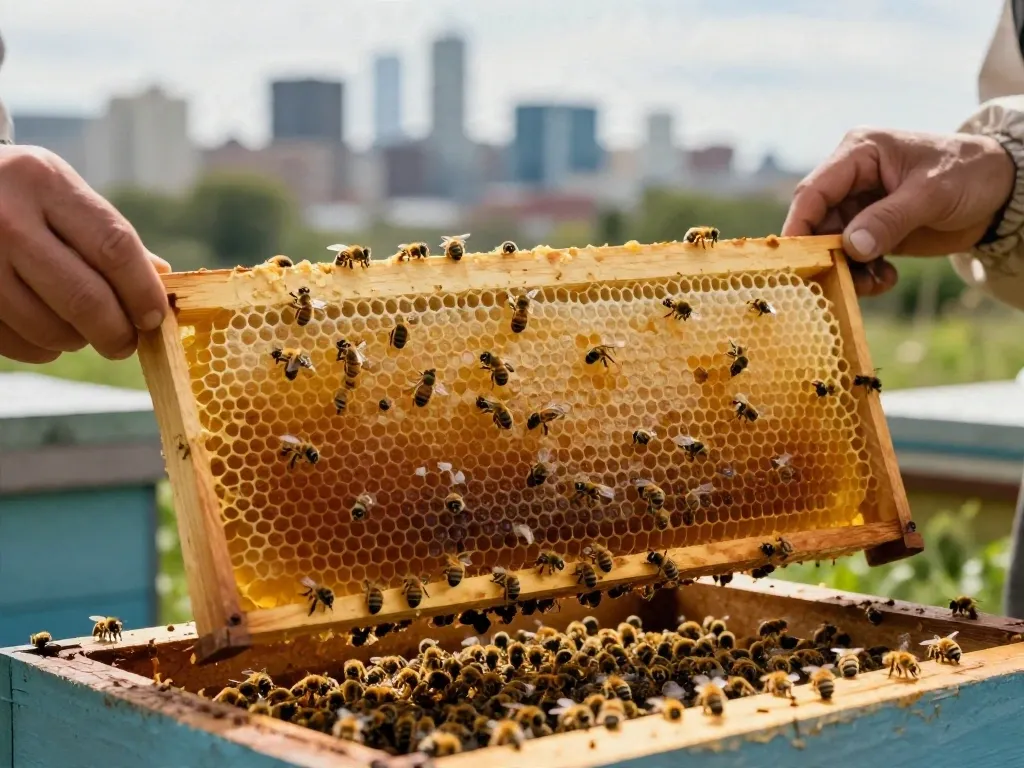
Urban beekeeping is gaining popularity as more people recognize the importance of bees in ecological health and food production. However, the rise of this hobby comes with a complex framework of regulations that vary from one municipality to another. Understanding local urban beekeeping laws is essential for anyone interested in starting a bee colony in an urban area.
Overview of Beekeeping Laws by Region
Beekeeping laws differ significantly based on geographical location, reflecting various local priorities ranging from public health to environmental conservation. For example:
- United States: In many states, beekeeping is regulated at the municipal level. Cities like San Francisco, California allow beekeeping, requiring registration and compliance with specific guidelines. Conversely, some cities in Florida have stricter regulations that may prohibit beekeeping entirely.
- Canada: In Toronto, beekeeping is permitted under specific conditions, such as maintaining a minimum distance from property lines and neighbors. In contrast, cities like Vancouver have no restrictions but do require registries for hobbyist beekeepers.
- Europe: Countries like Germany have comprehensive beekeeping regulations, including mandatory registration with local authorities and health inspections. Meanwhile, France supports urban beekeeping but enforces certain standards to ensure the safety and health of bees and the public.
Common Legal Terminology in Beekeeping Regulations
Familiarizing yourself with the terminology used in urban beekeeping regulations can help demystify the legal landscape:
- Apiary: A location where one or more colonies of bees are kept.
- Colony: A group of bees, typically consisting of a queen, worker bees, and drones.
- Swarm: A natural process of reproduction in bee colonies where a portion of the bees leaves to form a new colony.
- Hive: The structure that houses a bee colony.
- Registration: The process of formally notifying local authorities about the existence of an apiary.
The Role of Municipal Governments in Beekeeping
Municipal governments play a crucial role in regulating urban beekeeping. Their responsibilities often include:
- Establishing guidelines that ensure public safety and health.
- Managing the registration process for beekeepers.
- Conducting inspections to monitor compliance with regulations.
- Providing education and resources for beekeepers.
For example, in New York City, the Department of Health oversees urban beekeeping and has established clear guidelines, ensuring that beekeepers maintain their hives responsibly and safely.
Permits and Licensing Requirements
Obtaining the necessary permits and licenses is a critical step for anyone interested in urban beekeeping. This process can vary significantly based on local regulations.
Types of Beekeeping Licenses
Most municipalities have different types of beekeeping licenses, which may include:
- Hobbyist License: Typically intended for individuals maintaining a small number of hives for personal use.
- Commercial License: Required for those who intend to sell honey or other bee products, often accompanied by more stringent regulations.
- Educational License: May be available for schools or community programs that want to maintain bees for educational purposes.
How to Apply for Beekeeping Permits
The application process for beekeeping permits generally involves several steps:
- Research Local Regulations: Understand the specific requirements and guidelines for your municipality.
- Complete the Application Form: Fill out the necessary forms provided by your local government, often available online.
- Submit Necessary Documentation: This may include proof of property ownership, a plan for hive management, and sometimes even neighbor notifications.
- Pay Fees: Be prepared to pay any associated fees, which can range from $10 to $200 depending on the municipality.
Renewal and Compliance Checks
Most beekeeping licenses require annual renewal. During renewal, beekeepers may be subject to compliance checks, which can include:
- Inspections of the apiary to ensure it meets health and safety standards.
- Review of hive management practices to confirm that they align with local regulations.
It's essential to maintain accurate records of hive management and any inspections to facilitate a smooth renewal process.
Restrictions and Best Practices
Urban beekeeping comes with specific restrictions designed to ensure the safety of both the bees and the surrounding community.
Hive Placement and Density Regulations
Many municipalities impose restrictions on where hives can be placed:
- Distance from Property Lines: Common requirements stipulate that hives must be a certain distance (often 5-10 feet) from property lines.
- Height Restrictions: Some areas may require that hives be elevated to a certain height to reduce the likelihood of bee encounters with pedestrians.
- Density Limits: Regulations may limit the number of hives per property, often ranging from two to ten hives, depending on the size of the lot.
Neighbor Relations and Property Lines
Maintaining good relationships with neighbors is crucial for urban beekeepers. Here are some best practices:
- Notify Neighbors: Informing neighbors about your beekeeping plans can help alleviate concerns, especially for those unfamiliar with bees.
- Provide Educational Resources: Sharing information about bees and their benefits can help dispel myths and fears.
- Implement Barriers: Installing fences or plant barriers can help keep bees from flying into neighboring properties.
Managing Bee Behavior and Swarming Rules
Beekeepers must also be aware of the behavioral aspects of bees, especially regarding swarming:
- Swarm Prevention: Regular hive inspections can help identify potential swarming behavior, allowing beekeepers to take preventive measures.
- Notification Rules: Some municipalities require beekeepers to notify local authorities when a swarm occurs to ensure public safety.
Resources for Urban Beekeepers
Being informed and connected to resources is invaluable for urban beekeepers. Here are some essential resources:
Local Beekeeping Associations and Support Groups
Joining a local beekeeping association can provide a wealth of knowledge and support. These organizations often offer:
- Networking opportunities with experienced beekeepers.
- Access to local workshops and events.
- Resources on local laws and regulations.
Online Resources for Regulatory Updates
Many cities and states maintain websites that offer up-to-date information on urban beekeeping regulations. These resources can include:
- Changes in local ordinances.
- Guidelines for new beekeepers.
- Information on upcoming public meetings regarding urban agriculture.
Workshops and Training Programs for Compliance
Participating in workshops can be crucial for ensuring compliance with local regulations. Look for programs that cover:
- Bee biology and behavior.
- Best practices for hive management.
- Legal responsibilities and rights as a beekeeper.
Advocacy and Community Engagement
Advocacy is essential for the growth and acceptance of urban beekeeping. Engaging with the community can lead to more supportive policies and regulations.
Building Community Support for Urban Beekeeping
Creating awareness about the benefits of urban beekeeping can foster community support. Here are some strategies:
- Host Open Hives: Invite neighbors to see your hives and learn about bees.
- Participate in Local Events: Set up booths at farmers' markets or city fairs to educate the public.
- Collaborate with Local Schools: Offer educational workshops for students to learn about the importance of bees.
Engaging with Local Policymakers
Engaging with local policymakers can help shape favorable regulations for urban beekeeping. Consider these approaches:
- Attend City Council Meetings: Speak about the benefits of urban beekeeping during public comment periods.
- Join Advocacy Groups: Collaborate with groups that promote urban agriculture and pollinator health.
- Provide Data and Research: Share studies that highlight the ecological benefits of urban beekeeping.
Successful Case Studies of Urban Beekeeping Initiatives
Examining successful urban beekeeping initiatives can serve as a model for other cities. For instance:
- Chicago, Illinois: The city successfully implemented a regulatory framework that supports urban beekeeping, resulting in increased awareness and participation among residents.
- London, UK: Initiatives like Urban Beehive have transformed rooftops into thriving apiaries, promoting biodiversity and community engagement.
These case studies illustrate how effective regulations can lead to thriving urban beekeeping communities that benefit both the environment and local residents.



Comments
No comments yet.
Leave a comment