

Understanding Zoning Variances: Definitions and Importance

What is a Zoning Variance?
A zoning variance is a legal exception granted to a property owner, allowing them to deviate from the established zoning regulations set forth by local government authorities. These regulations dictate how land can be used, the type of buildings permitted, and the dimensions and aesthetics of those structures. Essentially, a variance enables a property owner to utilize their land in a manner that might not comply with current zoning laws but is necessary due to unique circumstances.
Types of Zoning Variances
Zoning variances can be categorized into two primary types:
- Use Variance: This type permits a property owner to use their land in a way that is not typically allowed under the existing zoning classification. For example, converting a residential property into a commercial space may require a use variance.
- Area Variance: This allows deviations from the dimensional requirements of zoning laws, such as setbacks, height restrictions, or lot coverage. For instance, if a homeowner wishes to build an addition that encroaches on the required setback, they would need to apply for an area variance.
The Importance of Zoning Variances in Urban Planning
Zoning variances play a crucial role in urban planning by promoting flexibility within rigid zoning codes. They allow local governments to adapt to changing community needs and unique property circumstances. For instance, a small business owner might find that zoning regulations hinder their ability to expand operations. By granting a variance, the government can support local economic growth while ensuring that the community's character remains intact. Furthermore, variances can help maintain property values by enabling property owners to make necessary improvements that comply with the community's overall vision.
Preparing for the Zoning Variance Application
Researching Local Zoning Laws
Before embarking on the zoning variance application process, it's vital to thoroughly understand the local zoning laws and regulations that apply to your property. Each municipality has its own zoning ordinance, which includes information on permissible land uses, dimensional requirements, and procedures for obtaining a variance. Start by reviewing the zoning map and the specific zoning code applicable to your property. This information can typically be found on your local government’s website or at the planning department's office.
Gathering Required Documentation
Once you have a clear understanding of local zoning laws, the next step is to gather all necessary documentation to support your application. Common requirements include:
- Site Plans: Detailed drawings of the property, showing existing and proposed structures, dimensions, setbacks, and land use.
- Justification Statement: A written explanation of why the variance is necessary, including how it meets local criteria.
- Neighborhood Impact Analysis: Information on how the proposed variance will affect surrounding properties and community character.
- Photographic Evidence: Photos of the property and surrounding area to illustrate the current conditions and proposed changes.
Consulting with Zoning Experts
Consider consulting with zoning experts or land use attorneys who can provide valuable insights into the application process. These professionals can help you navigate complex zoning laws, prepare the necessary documentation, and develop a compelling case for your variance. They may also assist in identifying potential objections from neighbors or local officials, allowing you to proactively address these concerns in your application.
The Application Process: Step-by-Step Guide
Submitting Your Application
Once you have prepared all required documentation, the next step is to submit your application to the appropriate local zoning authority. This usually involves filling out a specific application form provided by the zoning board or planning commission. Ensure that you follow all submission guidelines, as incomplete applications can lead to delays or outright rejections. Be mindful of submission deadlines, particularly if your application is tied to a public hearing schedule.
Paying Application Fees
Most municipalities require an application fee to process your zoning variance request. Fees can vary widely, often ranging from $100 to several thousand dollars, depending on the complexity of the request and the municipality’s policies. Ensure that you check the fee schedule on your local government’s website or inquire directly with the zoning office. Keep in mind that failure to pay the required fees can result in your application being deemed incomplete.
Preparing for the Initial Review
After submitting your application, it will undergo an initial review by the zoning board or planning commission. During this phase, officials will assess the completeness of your application and determine whether it meets the necessary criteria for a public hearing. Be prepared to respond to any requests for additional information or clarification during this time. A thorough and well-documented application can significantly influence the outcome of the initial review.
Public Hearing and Community Involvement
Understanding the Public Hearing Process
Once your application passes the initial review, a public hearing will be scheduled. This is a formal meeting where community members, stakeholders, and local officials can express their support or opposition regarding your variance request. Public hearings are typically advertised in local newspapers and may involve notifying adjacent property owners. Understanding the public hearing process is crucial, as it provides an opportunity for you to present your case directly to decision-makers and the community.
Engaging with Community Stakeholders
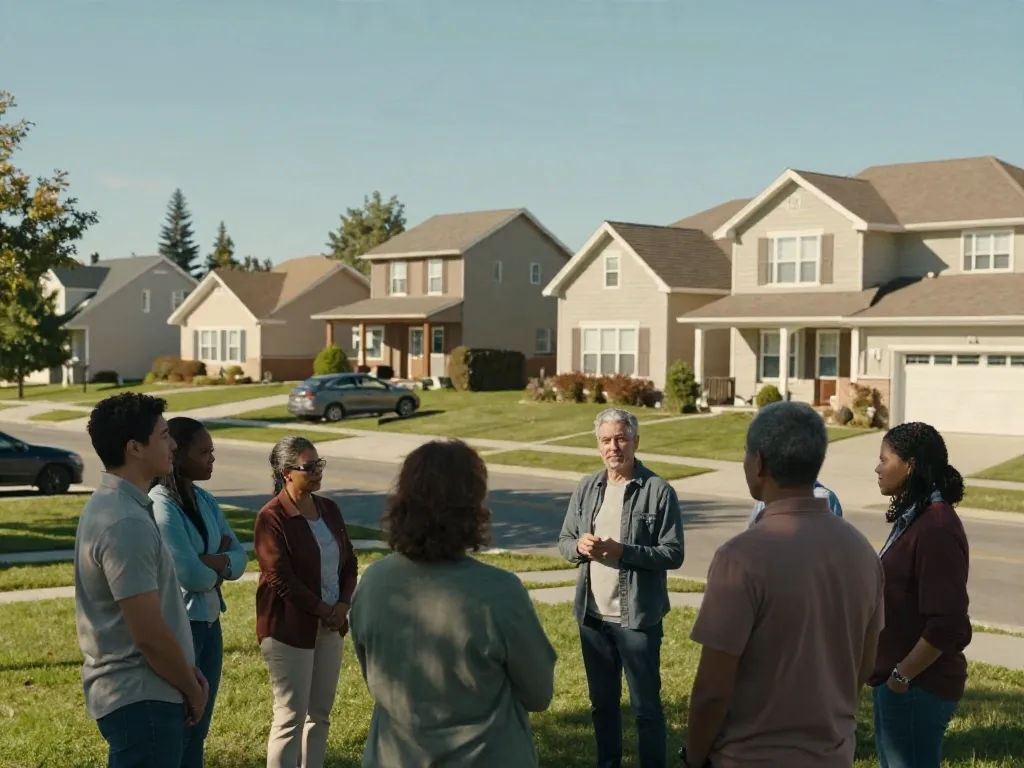
Prior to the public hearing, it's beneficial to engage with community stakeholders, including neighbors, local business owners, and community organizations. By discussing your proposed project and addressing any concerns, you can help garner support for your application. Hosting informal meetings or open houses can facilitate dialogue and provide a platform for stakeholders to voice their opinions. Strong community backing can significantly influence the zoning board's decision.
Preparing for Public Testimonies
During the public hearing, you will have the opportunity to present your case. Prepare a clear and concise presentation that outlines the rationale for your variance request. Be ready to address potential objections and emphasize how your proposal aligns with community goals. Consider rehearsing your presentation and anticipating questions from board members and the public. Additionally, having supportive testimonials from community members can bolster your case during the hearing.
After the Decision: Next Steps and Appeals
Receiving the Decision and Understanding Outcomes
After the public hearing, the zoning board will deliberate and issue a decision on your variance application. This decision will typically be communicated via a written notice outlining the board's findings and rationale. If your application is approved, the notice will detail any conditions attached to the variance. Conversely, if your application is denied, it is essential to thoroughly review the reasons provided, as this information is crucial for any potential appeals.
What to Do if Your Application is Denied
If your zoning variance application is denied, it is not the end of the road. Begin by understanding the specific reasons for the denial. This feedback can guide your next steps, whether that involves modifying your proposal to better align with zoning requirements or addressing concerns raised during the hearing. In some cases, you may choose to withdraw your application and reapply with adjustments or pursue alternative solutions that do not require a variance.
How to Appeal a Zoning Variance Decision
If you believe that the denial of your application was unjust, you have the right to appeal the decision. The appeals process typically involves submitting a formal appeal to a higher authority, such as a city council or a specialized zoning appeals board. This process usually requires a written statement outlining why you believe the denial was incorrect, along with any supporting documentation. Be aware that there are deadlines for filing appeals, often ranging from 10 to 30 days after the decision. Additionally, you may need to demonstrate that there are significant errors in the original decision-making process to succeed in your appeal.


Comments
No comments yet.
Leave a comment