
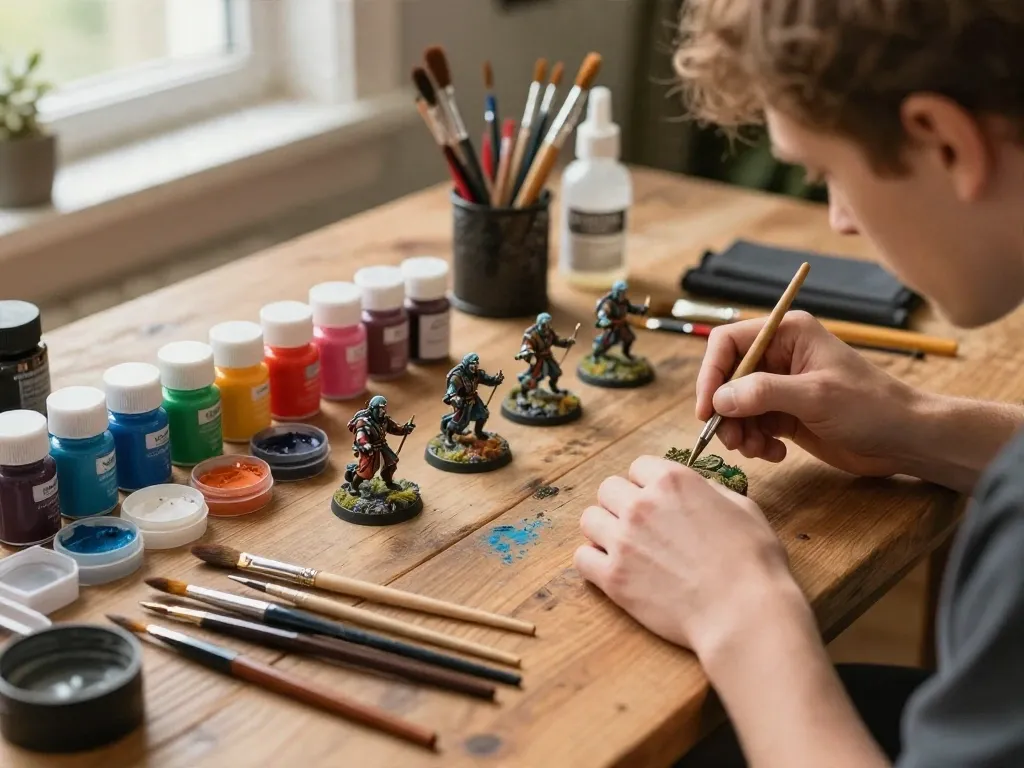
Understanding the Essential Materials for Miniature Wargaming
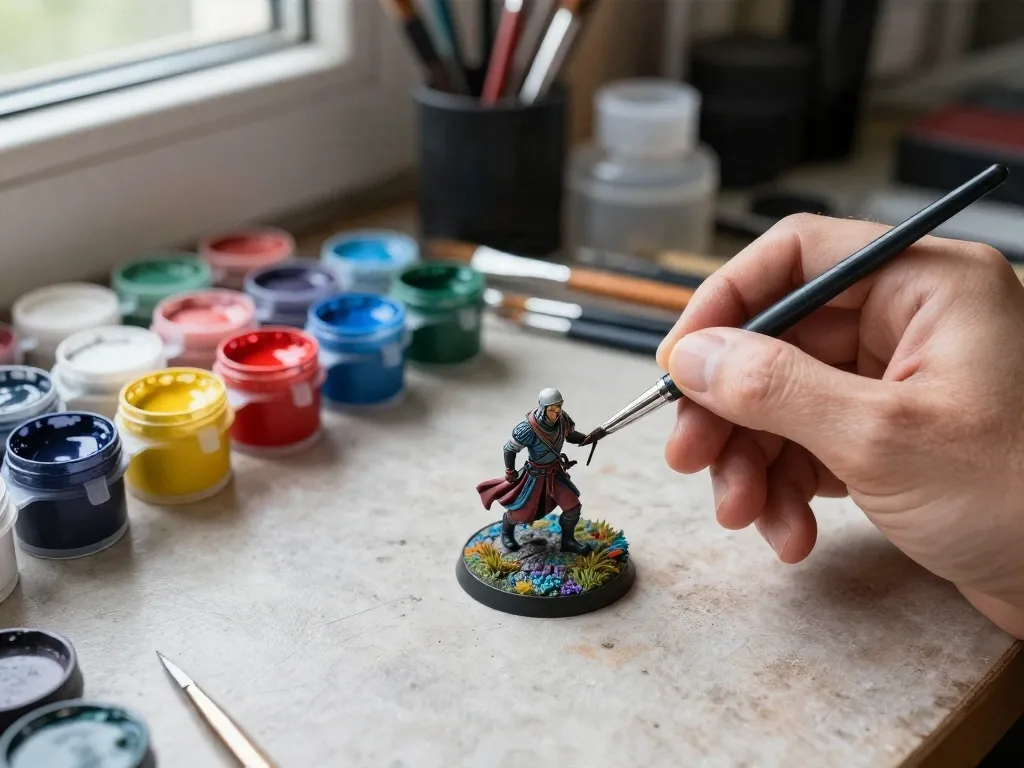
Miniature wargaming is a captivating hobby that combines strategy, creativity, and craftsmanship. For painters in this realm, sourcing the right materials is crucial for achieving stunning results. This section will delve into the essential materials required for painting miniatures, exploring various types and tools, as well as emphasizing the importance of quality in material selection.
Types of Miniatures and Their Material Requirements
In the world of miniature wargaming, miniatures are typically made from a variety of materials, each requiring specific painting techniques and supplies:
- Plastic Miniatures: Most commonly used due to their affordability and ease of use. They often require special primer to ensure paint adhesion.
- Resin Miniatures: Known for their detail and quality, resin miniatures can be more challenging to paint due to their smooth surfaces. A good primer and specific paints designed for resin are recommended.
- Metal Miniatures: These are heavier and more durable but may require specific preparation such as washing to remove manufacturing oils. Enamel paints often work well on metal surfaces.
Common Painting Supplies and Tools
Beyond the miniatures themselves, a variety of supplies and tools are essential for effective painting:
- Paints: The most common types are acrylics, enamels, and oil paints. Acrylics are preferred for their quick drying time and ease of use.
- Brushes: Different sizes and shapes are necessary for various techniques. Detail brushes are vital for intricate work, while larger brushes are great for base coating.
- Primers: Essential for preparing the miniature surface, helping paint adhere better and providing a smooth finish.
- Varnishes: Used to protect the finished paint job from wear and tear. Gloss, matte, and satin finishes are available depending on the desired look.
Importance of Quality in Material Selection
Quality materials can significantly impact the outcome of the painting process. High-quality paints provide better pigmentation and coverage, while superior brushes allow for more precise application. Investing in reputable brands—such as Vallejo for paints and Winsor & Newton for brushes—can yield better results and improve the overall painting experience. Additionally, lower-quality materials often lead to frustration and subpar finishes, making the hobby less enjoyable.
Where to Find High-Quality Miniature Painting Supplies
Sourcing high-quality miniature painting supplies can be a daunting task, but understanding where to look can simplify the process. This section will explore various sourcing avenues, including local shops, online retailers, and community resources.
Local Hobby Shops: Pros and Cons
Local hobby shops can be a great starting point for sourcing materials:
- Pros:Hands-on Experience: Ability to see and feel products before purchasing.
- Expert Advice: Knowledgeable staff can provide recommendations and tips.
- Community Engagement: Opportunities to meet other gamers and painters.
Cons:
- Limited Selection: Smaller shops may not carry a wide variety of brands and products.
- Higher Prices: Local shops often have higher prices compared to online retailers due to overhead costs.
Online Retailers: Best Practices for Sourcing
Online retailers offer a broader selection of materials and often at lower prices:
- Reputable Sites: Look for established online retailers specializing in hobby supplies, such as MiniatureMarket.com or HobbyLinkJapan.com.
- Read Reviews: Checking customer reviews can provide insights into product quality and service reliability.
- Compare Prices: Use price comparison tools to ensure you’re getting the best deal.
- Shipping Considerations: Factor in shipping costs and times, particularly if ordering from international sources.
Second-hand Markets and Community Resources
Second-hand markets can be a treasure trove for miniature painters:
- Online Marketplaces: Websites like eBay and Facebook Marketplace often feature second-hand miniatures and painting supplies at discounted prices.
- Community Forums: Platforms such as Reddit or dedicated wargaming forums may have sections for trading or selling used materials.
- Local Swap Meets: Many gaming clubs host events where painters can trade or purchase supplies from one another.
Evaluating Materials: What to Look For
When sourcing materials, it’s crucial to evaluate them carefully to ensure they meet the needs of your painting style. This section outlines key factors to consider when selecting paints, brushes, and base materials.
Paint Types: Acrylic vs. Enamel
Acrylic and enamel paints each have distinct characteristics:
- Acrylic Paints:Fast-drying, making layering and corrections easier.
- Water-based, allowing for easy cleanup.
- Available in a wide range of colors and finishes.
Enamel Paints:
- Longer drying time, which can be advantageous for blending.
- More durable finish, often preferred for metal miniatures.
- Cleanup requires solvents, making it less convenient.
Brush Quality: Natural vs. Synthetic
Choosing the right brush can greatly affect the precision and quality of your work:
- Natural Hair Brushes:Made from sable or mongoose hair, offering excellent paint retention and smooth application.
- Generally more expensive but provide superior performance for detail work.
Synthetic Brushes:
- More affordable and durable, making them ideal for beginners.
- Can hold paint well, but may not offer the same level of finesse as natural brushes.
Base Materials and Their Impact on Final Results
The base materials used for miniatures can influence the overall finish:
- Primers: Choosing the right primer can enhance paint adhesion and finish. Brands like Citadel and Army Painter are popular for their quality.
- Textured Bases: Adding textures or using basing materials can enrich the final appearance of the miniature.
- Sealers: A good quality sealer can protect the miniature from dust and handling, ensuring the paint job lasts longer.
Cost-Effective Sourcing Strategies for Painters
Sourcing materials doesn’t have to break the bank. Here are some cost-effective strategies for miniature painters looking to maximize their budgets.
Bulk Purchasing and Discounts
Buying in bulk can lead to significant savings:
- Group Orders: Coordinating with fellow painters to make bulk purchases can reduce shipping costs and qualify for volume discounts.
- Seasonal Sales: Keep an eye out for sales during holidays or major events, where retailers often offer special discounts.
- Loyalty Programs: Joining loyalty programs at local or online retailers can yield points and discounts over time.
DIY Alternatives for Common Supplies
Many painting supplies can be created or substituted with DIY alternatives:
- Homemade Washes: You can create washes using acrylic paint diluted with water or medium, avoiding the need for expensive pre-made options.
- Texture Paste: Simple mixtures of white glue and sand can be used as texturing mediums for bases at a fraction of the cost.
- Brush Cleaning Solutions: A homemade solution of soap and water can serve as an effective brush cleaner, reducing the need for specialized products.
Joining Painting Clubs for Shared Resources
Being part of a painting club can provide access to shared resources:
- Shared Supplies: Many clubs have communal supplies that members can use, such as paint sets, brushes, and tools.
- Workshops: Clubs often host workshops where members can learn new techniques and share tips, fostering a collaborative environment.
- Group Buys: Clubs can organize group buys for bulk purchasing, further reducing costs for members.
Staying Updated on New Products and Innovations
The world of miniature painting is constantly evolving, with new products and innovations emerging regularly. Staying informed can help painters make the best choices for their projects.
Following Influencers and Communities Online
Online communities and influencers can be invaluable resources:
- YouTube Channels: Channels like Tabletop Minions and Miniac provide reviews and tutorials on new products and techniques.
- Social Media Groups: Platforms like Facebook and Instagram host numerous groups where painters share their work and discuss materials.
Attending Conventions and Trade Shows
Participating in conventions can offer unique opportunities:
- Vendor Booths: Many conventions feature vendors showcasing the latest products, often with exclusive show discounts.
- Workshops: Attending workshops at conventions allows painters to experiment with new products under the guidance of experts.
Subscribing to Newsletters and Magazines
Keeping up with industry trends can be accomplished through various publications:
- Magazines: Publications like White Dwarf and Tabletop Gaming regularly feature new products and painting tips.
- Newsletters: Subscribing to newsletters from manufacturers can keep you abreast of new releases and promotions.
In conclusion, sourcing the best materials for miniature wargaming painting is a multifaceted process that requires careful consideration, exploration, and engagement with the community. By understanding the essential materials, evaluating sources, and employing cost-effective strategies, painters can elevate their craft while enjoying the hobby to its fullest.


Comments
No comments yet.
Leave a comment