
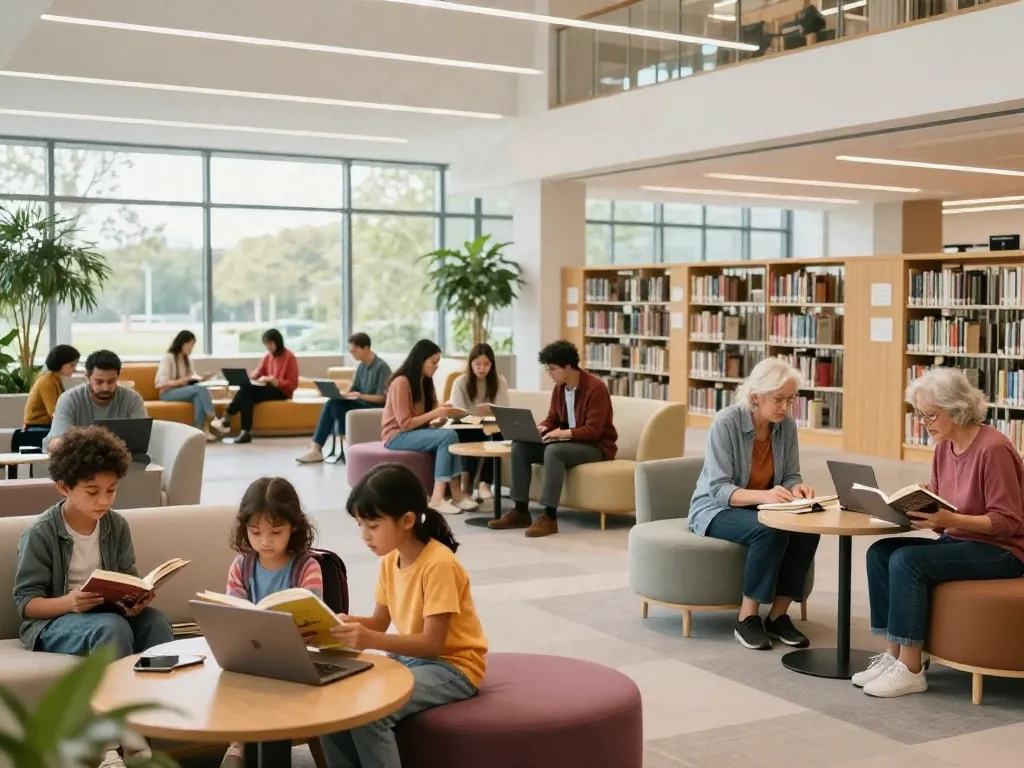
Redefining Space: The Architectural Evolution of Libraries
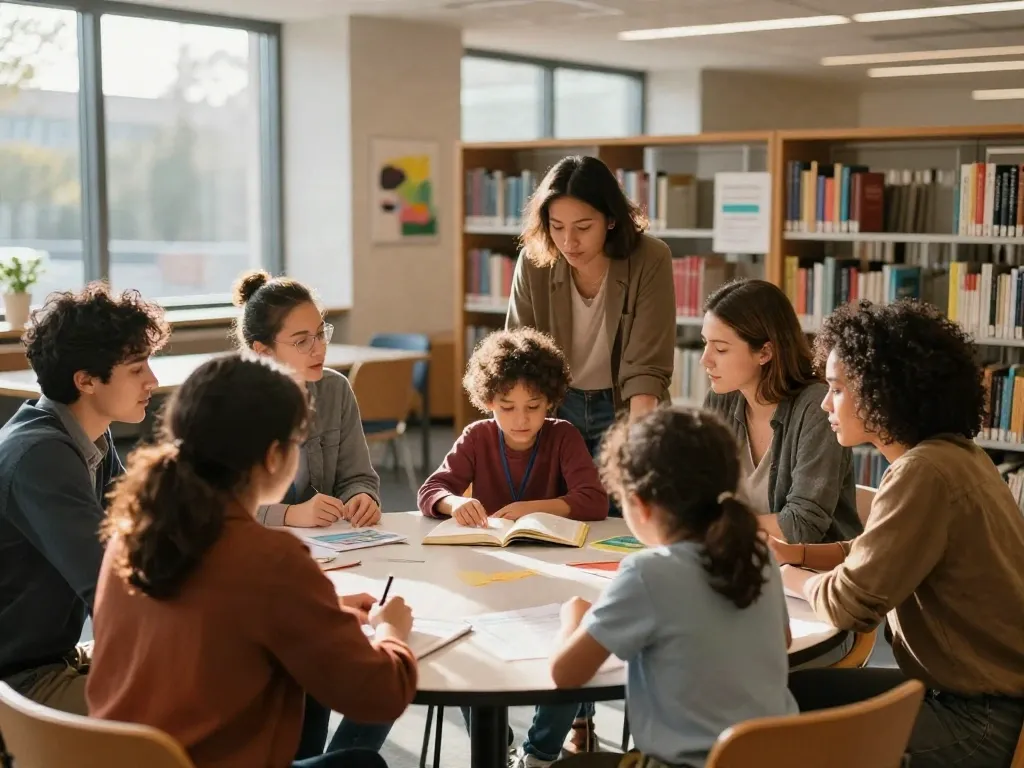
Flexible Spaces for Diverse Activities
Modern libraries are no longer just repositories of books; they are dynamic spaces designed to accommodate a variety of activities. The architectural evolution of libraries emphasizes flexibility, allowing them to cater to diverse community needs. For instance, the Seattle Central Library, designed by Rem Koolhaas, features a unique open floor plan that includes reading areas, meeting rooms, and spaces for community events. This design enables libraries to host everything from book clubs to art exhibitions, fostering a sense of community engagement.
Additionally, many libraries are adopting modular furniture and movable partitions, allowing for reconfiguration based on the specific activities taking place. Libraries like the Vancouver Public Library have embraced this trend, creating spaces that can be easily adapted for quiet study, collaborative work, or public gatherings. This flexibility is crucial for accommodating the range of activities that modern communities desire, making libraries vital third places where social interactions can flourish.
Incorporating Technology and Innovation
As technology continues to evolve, libraries are adapting by incorporating advanced technologies into their spaces. This includes not only high-speed internet access but also innovative tools such as 3D printers, virtual reality stations, and digital media labs. For example, the New York Public Library has established a digital media center that offers patrons access to state-of-the-art equipment for creating and editing videos, podcasts, and digital art.
Moreover, libraries are increasingly utilizing technology to enhance user experience. The integration of mobile apps that allow patrons to reserve spaces, register for events, and access digital resources from their devices is becoming standard. These advancements not only attract tech-savvy individuals but also ensure that libraries remain relevant in an increasingly digital world, reinforcing their role as essential third places.
Creating Welcoming Environments for All
A critical aspect of the modern library is its commitment to creating welcoming environments for everyone. Libraries are redesigning their interiors to be more inviting, with comfortable seating areas, bright lighting, and community art displays. The Los Angeles Public Library has made significant strides in this area, offering cozy reading nooks, children's spaces, and even outdoor areas for gathering and relaxation.
Furthermore, many libraries are prioritizing accessibility, ensuring that individuals with disabilities can navigate and utilize their facilities without barriers. This includes installing ramps, providing assistive technology, and offering programs tailored to the needs of diverse populations. By fostering an inclusive atmosphere, libraries are not only transforming their spaces but are also reinforcing their status as vital third places in the community.
Community Engagement: Libraries as Social Hubs
Hosting Community Events and Workshops
One of the most significant transformations in libraries is their role as social hubs for community engagement. Libraries are increasingly hosting a variety of events and workshops that encourage participation from all community members. For instance, the Chicago Public Library organizes events such as author readings, cultural festivals, and educational workshops on topics ranging from financial literacy to gardening.
These events serve as platforms for community members to connect, share ideas, and learn from one another. By providing a space for such gatherings, libraries are fulfilling their mission to serve the public and nurture community bonds. In 2022 alone, the Chicago Public Library hosted over 1,500 events, attracting thousands of attendees and solidifying its position as a key social hub in the city.
Building Partnerships with Local Organizations
To enhance their community engagement efforts, libraries are forming partnerships with local organizations, businesses, and schools. These collaborations help libraries extend their reach and impact. For example, the San Francisco Public Library has partnered with local nonprofits to provide services such as legal assistance, health screenings, and job training programs within the library premises.
Such partnerships not only enrich the library's offerings but also enable organizations to connect with individuals who may not otherwise access their services. By creating a network of support and resources, libraries are becoming central players in the community's social fabric, further solidifying their status as vital third places.
Fostering Civic Engagement and Dialogue
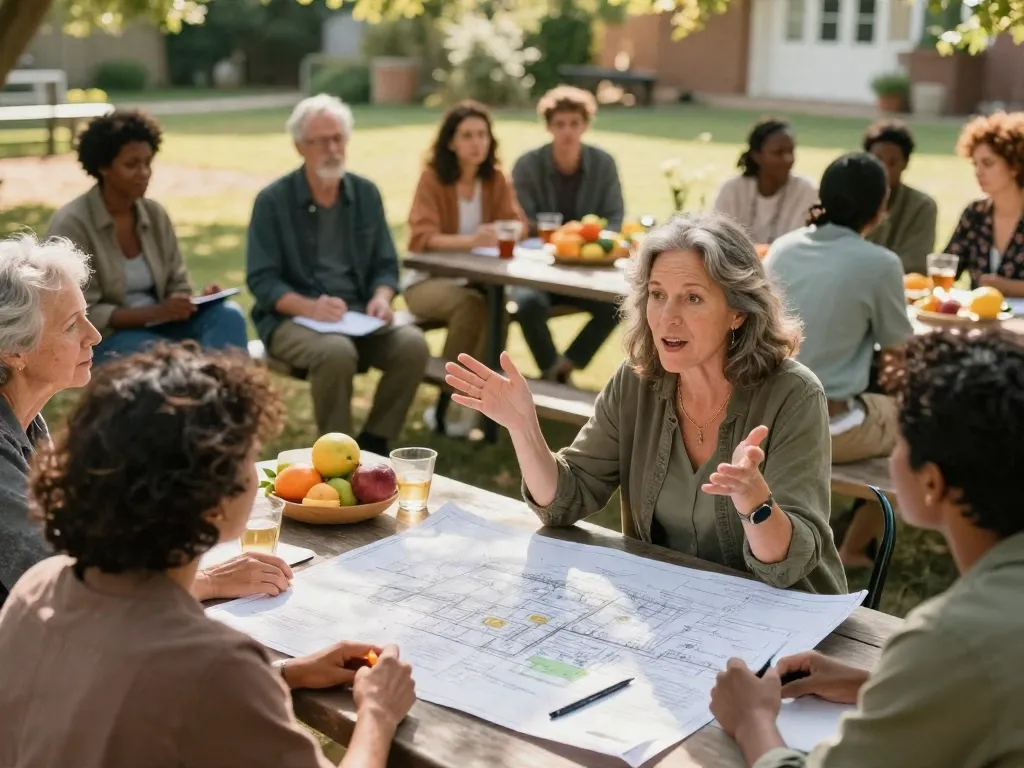
Libraries are uniquely positioned to foster civic engagement and encourage dialogue among community members. Many libraries are hosting forums, panel discussions, and town hall meetings on pressing local issues, providing a neutral space for discussion. The Dallas Public Library has initiated programs aimed at promoting civic literacy, where residents can learn about local governance, public policy, and their rights as citizens.
By facilitating these conversations, libraries not only empower individuals to participate in civic life but also help to build a more informed and engaged community. This focus on civic engagement further reinforces the role of libraries as essential third places that support democracy and community cohesion.
Access to Resources: Libraries as Lifelong Learning Centers
Expanding Digital Literacy Programs
In an increasingly digital world, libraries are stepping up to provide essential digital literacy programs that equip community members with the skills they need to thrive. Programs such as Tech Tuesdays at the Miami-Dade Public Library offer free workshops on topics like coding, online safety, and social media literacy. These initiatives are crucial for bridging the digital divide, especially for those who may lack access to technology or training outside the library.
In 2022, over 10,000 residents attended digital literacy workshops at Miami-Dade libraries, showcasing the demand for such resources. By offering these programs, libraries are reinforcing their role as lifelong learning centers and ensuring that all community members can navigate the digital landscape effectively.
Providing Access to Educational Resources
Libraries are also critical in providing access to a wealth of educational resources, including books, online databases, and tutoring services. Many libraries have expanded their collections to include e-books, audiobooks, and streaming services, making it easier for patrons to access information anytime, anywhere. The Boston Public Library has implemented programs like Library of Things, which allows patrons to borrow items such as musical instruments, tools, and tech gadgets, broadening the scope of learning opportunities available.
Additionally, libraries often collaborate with educational institutions to provide tutoring and homework help for students. Programs like the Homework Help Desk at the Los Angeles Public Library offer students access to tutors who can assist with various subjects, ensuring that learners of all ages have the support they need to succeed academically.
Supporting Career Development Initiatives
As communities face economic challenges, libraries are stepping up to support career development initiatives. Many libraries offer resources such as resume workshops, interview preparation, and job search assistance. The Philadelphia Free Library has launched a program called Job Readiness, which includes workshops on networking skills, personal branding, and job market trends.
In 2022, over 5,000 individuals participated in career development programs at the Philadelphia Free Library, highlighting the importance of libraries in helping community members secure employment. By providing these resources, libraries are not only enhancing individual lives but also contributing to the overall economic vitality of their communities.
Inclusivity and Diversity: Libraries Serving Marginalized Communities
Creating Safe Spaces for Underrepresented Groups
Libraries are increasingly recognized for their role in creating safe spaces for underrepresented groups. Many libraries are taking proactive measures to ensure that all community members feel welcome and included. For example, the Toronto Public Library has developed specific programs aimed at LGBTQ+ youth, providing them with a safe environment to connect and express themselves.
These initiatives not only foster inclusivity but also empower marginalized voices within the community. By hosting events that celebrate diversity and promote understanding, libraries are reinforcing their vital role as third places where everyone can feel safe and valued.
Offering Multilingual Services and Resources
As communities become more diverse, libraries are adapting to meet the needs of multilingual populations. Many libraries are expanding their collections to include materials in various languages and are offering programs designed for non-English speakers. The San Jose Public Library has launched a Multilingual Storytime program, which offers storytime sessions in languages such as Spanish, Mandarin, and Vietnamese.
By providing these resources, libraries are not only promoting literacy but also fostering cultural exchange among community members. This commitment to inclusivity further enhances the library's role as a vital third place where individuals from diverse backgrounds can come together to learn and share.
Addressing Social Issues Through Library Services
Libraries are increasingly addressing pressing social issues through their services, further solidifying their role as community anchors. Many libraries are tackling issues such as homelessness, mental health, and food insecurity by providing essential services. For example, the King County Library System in Washington has implemented programs that connect patrons experiencing homelessness with social services and support networks.
Additionally, libraries are offering mental health resources, including workshops and information sessions in collaboration with local mental health organizations. By addressing these critical social issues, libraries are not only meeting the immediate needs of their communities but are also promoting long-term wellbeing and resilience.
The Future of Libraries: Adapting to Changing Community Needs
Responding to Technological Advancements
As technology continues to evolve, libraries must adapt to remain relevant and effective. Many libraries are investing in emerging technologies such as artificial intelligence, augmented reality, and blockchain to enhance their services. The Brooklyn Public Library has begun experimenting with AI-driven chatbots that assist patrons in finding resources and answering inquiries, streamlining the user experience.
By embracing these technological advancements, libraries can provide more efficient and personalized services, ensuring they continue to meet the evolving needs of their communities. This proactive approach is essential for libraries to maintain their status as vital third places in an increasingly digital world.
Anticipating Shifts in Community Demographics
As communities continue to diversify, libraries must anticipate and respond to shifts in demographics. This includes understanding the unique needs and preferences of different cultural groups and tailoring services accordingly. The Harris County Public Library in Texas has implemented community surveys and focus groups to better understand the needs of its diverse population.
By actively engaging with community members and seeking feedback, libraries can ensure that their programs and services are aligned with the evolving demographics, solidifying their role as inclusive and responsive third places.
Innovative Funding Models for Sustainability
To sustain their operations and continue providing valuable services, libraries are exploring innovative funding models. Many libraries are diversifying their revenue streams by seeking grants, forming partnerships with local businesses, and launching fundraising campaigns. The Salt Lake City Public Library recently launched a successful crowdfunding campaign to fund community programs and enhancements to their facilities.
By adopting these innovative funding strategies, libraries can secure the resources necessary to adapt to changing community needs and continue serving as vital third places. This financial sustainability is crucial for ensuring that libraries remain accessible and relevant in the years to come.

Comments
No comments yet.
Leave a comment