
Evaluating Layover Efficiency: Key Metrics
Average Layover Duration
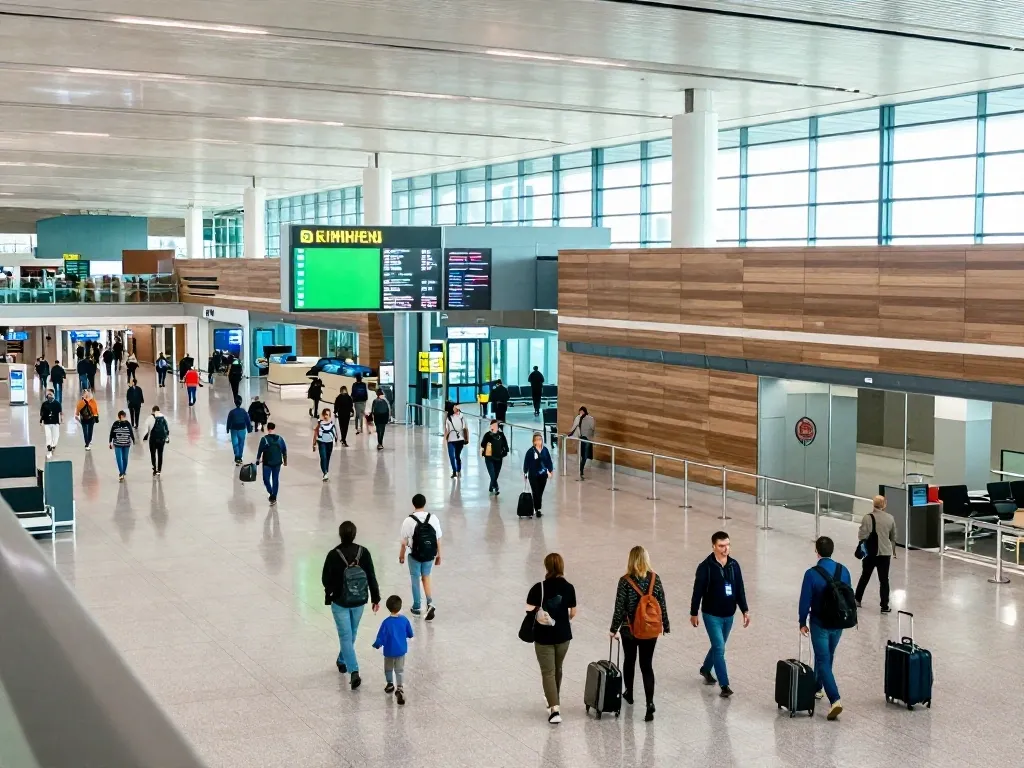
When considering layover-friendly airports, one of the first metrics to assess is the average layover duration. This metric gives insight into how long passengers typically wait between connecting flights. Airports with shorter average layover times can minimize the stress associated with extended waits. For instance, according to recent data, the average layover duration at Singapore Changi Airport is around 2 hours, while at Dubai International Airport, it hovers around 2.5 hours. In contrast, airports like Heathrow often see averages closer to 3 hours, which can be attributed to the sheer volume of international traffic and the complexity of flight connections.
Connection Time Requirements
Connection time requirements can differ significantly from one airport to another, impacting overall transit efficiency. Minimum connection times (MCT) are established by airlines and vary based on whether the connection is domestic or international. For example, at Heathrow Airport, the MCT for international to international transfers is typically 60 minutes, while at Changi Airport, it can be as low as 50 minutes, thanks to its streamlined processes. Understanding these requirements can help travelers make informed decisions when booking flights, especially when connecting through major hubs.
Passenger Flow Management
Effective passenger flow management is crucial for ensuring a smooth transit experience. Airports that implement advanced technologies, like automated boarding and intelligent crowd management systems, can significantly enhance efficiency. For instance, Dubai International Airport utilizes a cutting-edge biometric system that speeds up the boarding process, allowing passengers to pass through security and boarding gates with minimal delays. This technology, combined with efficient layout designs, facilitates a faster flow of passengers, crucial during peak travel times.
Airport Facilities: Enhancing the Layover Experience
Lounges and Relaxation Areas
For many travelers, layovers can be a taxing experience, and airport lounges play a pivotal role in enhancing comfort. Airports like Singapore Changi are renowned for their luxurious lounges, which offer amenities such as shower facilities, nap pods, and wellness areas. Changi's Sky Garden, a tranquil space filled with greenery, allows passengers to unwind amid their travels. In contrast, while Heathrow Airport has several lounges, the offerings can be more limited, often requiring membership or an entry fee, which may not be ideal for all travelers.
Dining and Shopping Options
The quality and variety of dining and shopping options can significantly impact the layover experience. At Changi Airport, travelers can enjoy a diverse range of cuisines from local hawker fare to international dining brands, making it an excellent spot for food enthusiasts. Similarly, Dubai International Airport boasts a wide array of luxury shopping options, from high-end fashion brands to local artisan products, allowing travelers to indulge in a bit of retail therapy while they wait. In comparison, Heathrow offers a more traditional airport shopping experience, but its high prices often deter budget-conscious travelers.
Entertainment and Connectivity Services
Access to entertainment and connectivity services can transform a long layover into a more pleasant experience. Changi Airport excels in this area, offering free movie theaters, interactive art installations, and even a butterfly garden. Furthermore, free Wi-Fi is available throughout the airport, facilitating seamless connectivity. Meanwhile, Dubai International Airport provides entertainment zones and gaming areas, catering to families and solo travelers alike. Heathrow has made strides in enhancing its entertainment options, but its facilities often fall short compared to its competitors.
Transit Procedures: Streamlining Transfers
Customs and Immigration Processes
Customs and immigration processes can significantly affect the efficiency of layovers. Airports with streamlined procedures tend to provide a better experience for transit passengers. Singapore Changi Airport has implemented a highly efficient immigration system that allows travelers to use automated kiosks for quicker processing, significantly reducing wait times. In contrast, Heathrow Airport has faced criticism for long wait times at immigration, particularly during peak hours, which can lead to missed connections.
Security Checkpoint Efficiency
Security is another critical component of the layover experience. Efficient security checkpoints can save significant time and reduce passenger stress. Dubai International Airport has invested heavily in technology to streamline security checks, employing advanced scanning systems that minimize the need for manual checks. Meanwhile, Changi Airport employs a similar approach, ensuring that security processes are as quick and unobtrusive as possible. In contrast, Heathrow Airport has been criticized for slower security checks, particularly during busy travel seasons.
Signage and Wayfinding for Transit Passengers
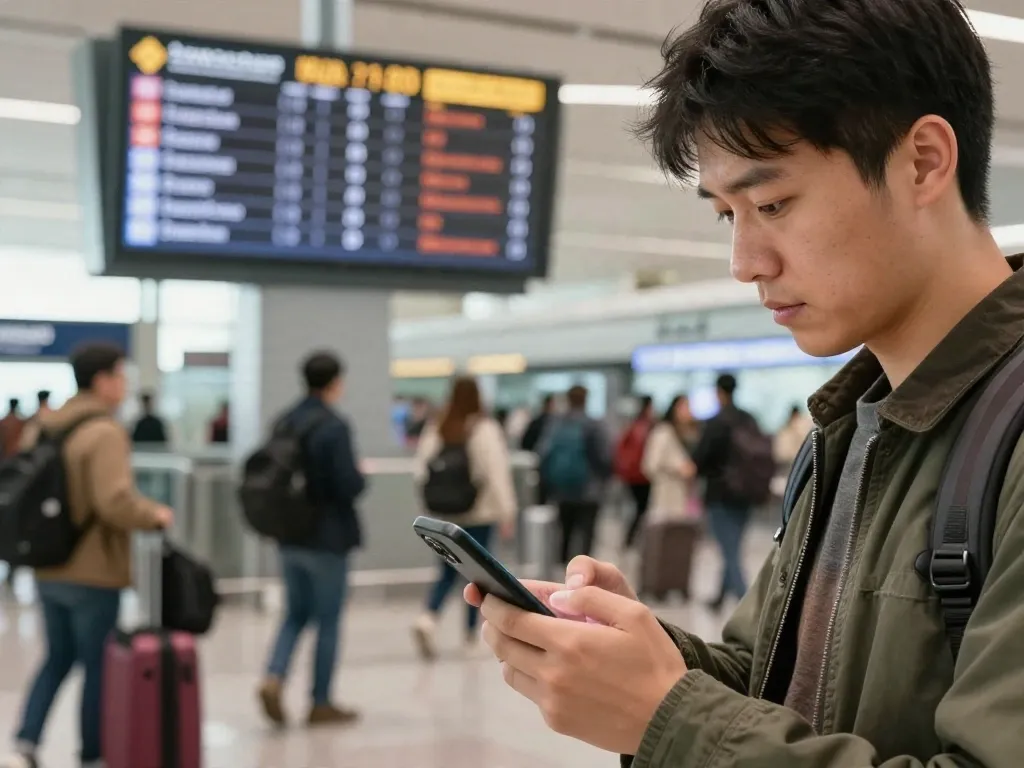
Clear signage and effective wayfinding are essential for helping transit passengers navigate airports effortlessly. Singapore Changi Airport is widely regarded as one of the best in this regard, with multilingual signage and well-marked pathways leading to gates, lounges, and transit areas. Dubai International Airport also excels in wayfinding, employing vivid color-coded signs and digital information boards. Conversely, while Heathrow Airport has improved its signage in recent years, some areas remain confusing, especially for first-time travelers.
Accessibility and Transportation Options
Internal Airport Transport Systems
The efficiency of internal transport systems can significantly impact the layover experience, especially in larger airports. Singapore Changi Airport offers an extensive internal transport network, including sky trains that connect Terminals 1, 2, and 3, ensuring that passengers can move quickly between terminals. Dubai International Airport features similar transport options, providing quick access to all terminals via a free shuttle service. However, Heathrow Airport has faced criticism for its older transport systems, which can lead to longer transfer times between terminals.
Connections to City and Local Transit
For travelers with longer layovers, the ability to connect to local transit options can enhance the overall experience. Changi Airport provides convenient connections to the city via the Mass Rapid Transit (MRT) system, allowing passengers to explore Singapore during layovers. Dubai International Airport also offers straightforward access to the city through the Dubai Metro, as well as bus services, making it easy for travelers to venture out. In contrast, Heathrow Airport offers the Heathrow Express and London Underground connections, but the journey into central London can be more time-consuming and expensive than its competitors.
Accessibility for Passengers with Reduced Mobility
Accessibility for passengers with reduced mobility is a crucial consideration when evaluating layover-friendly airports. Singapore Changi Airport is well-equipped with facilities such as wheelchair rental services, accessible restrooms, and dedicated assistance desks. Dubai International Airport also provides a range of services for passengers with reduced mobility, including priority boarding and accessible transport options. While Heathrow Airport has made significant improvements in recent years, it still faces challenges in ensuring that all areas are fully accessible for those with mobility impairments.
Case Studies: Comparing Top Layover Airports
Heathrow Airport: A Comprehensive Overview
As one of the busiest airports in the world, Heathrow Airport serves as a major hub for international travel. However, its high passenger volume often results in longer layover times and more cumbersome transit processes. The airport's facilities, while improving, don't match the luxury offerings of its competitors. The average layover duration is around 3 hours, with minimum connection times often set at 60 minutes for international flights. While it features a variety of lounges and dining options, travelers often find the overall experience to be less enjoyable compared to airports like Changi and Dubai.
Singapore Changi Airport: The Gold Standard
Singapore Changi Airport is widely regarded as the gold standard for layover-friendly airports. The airport's average layover duration is approximately 2 hours, with minimum connection times as low as 50 minutes. Changi boasts exceptional facilities, including luxurious lounges, a wide array of dining options, and unique entertainment features like a butterfly garden and free movie theaters. The efficient customs and immigration processes, coupled with excellent signage, make it easy for transit passengers to navigate. Overall, Changi provides a superior layover experience that combines comfort, efficiency, and entertainment.
Dubai International Airport: Navigating the Hub
Dubai International Airport functions as a major international hub, connecting travelers from around the globe. The average layover time is about 2.5 hours, with minimum connection times set at 60 minutes for international connections. Dubai's facilities are impressive, with luxury shopping and dining options, along with entertainment zones. The airport's biometric security checks and efficient transport systems enhance the overall transit experience. However, the sheer size of the airport can sometimes lead to longer walking distances between gates, which is something that travelers should consider when planning layovers.



Comments
No comments yet.
Leave a comment