
Understanding A1C: What It Measures
Definition of A1C
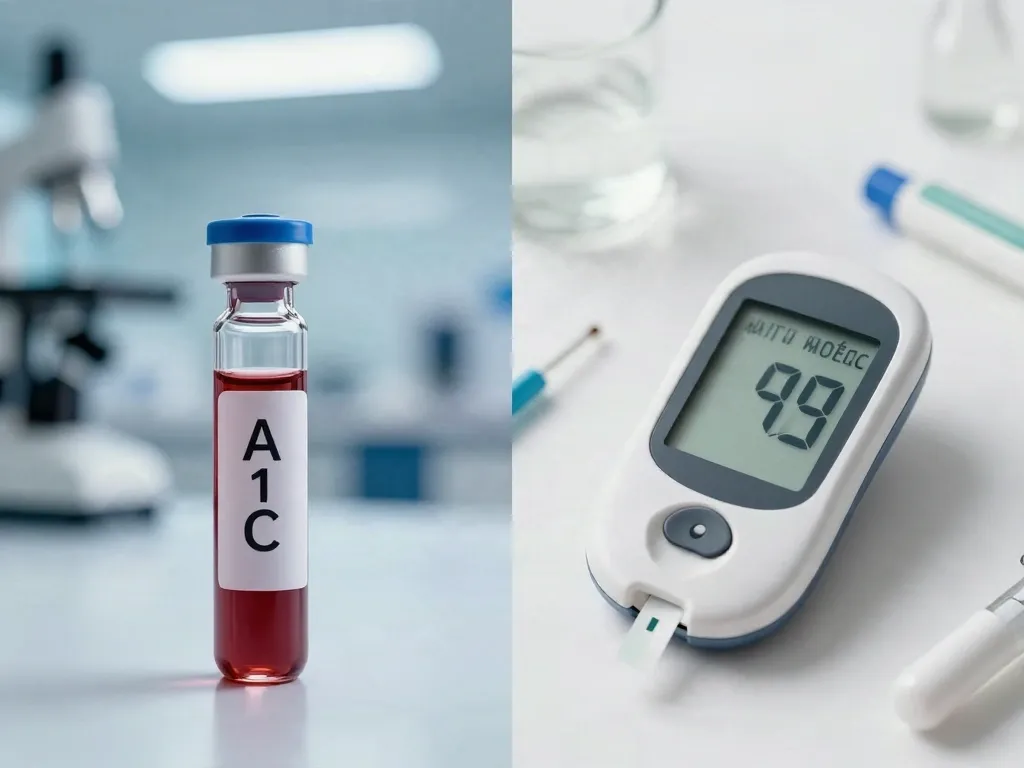
A1C, also known as glycated hemoglobin, is a blood test that reflects the average blood glucose levels over the past two to three months. It is expressed as a percentage, indicating the proportion of hemoglobin molecules in the blood that are coated with sugar. Higher A1C levels suggest poorer blood glucose control and are used primarily in diagnosing and monitoring diabetes.
How A1C is Calculated
The A1C test measures the percentage of hemoglobin that is glycated, or bonded to glucose. The calculation is based on the lifespan of red blood cells, which typically lasts about 120 days. During this time, glucose in the bloodstream attaches to hemoglobin, the protein in red blood cells that carries oxygen. The higher the average blood glucose levels, the more hemoglobin becomes glycated. For example, an A1C level of 6% indicates that 6% of the hemoglobin in the blood has glucose attached to it.
Importance of A1C in Diabetes Management
A1C is a critical marker in diabetes management for several reasons:
- Long-term Monitoring: It provides a long-term view of blood glucose levels, helping individuals and healthcare providers assess whether diabetes treatment plans are effective.
- Risk Assessment: Elevated A1C levels are associated with increased risks for diabetes-related complications, such as cardiovascular disease, neuropathy, and retinopathy.
- Guideline Adherence: The American Diabetes Association recommends that adults with diabetes aim for an A1C of less than 7% to minimize complications.
Fasting Glucose: Key Characteristics
Definition of Fasting Glucose
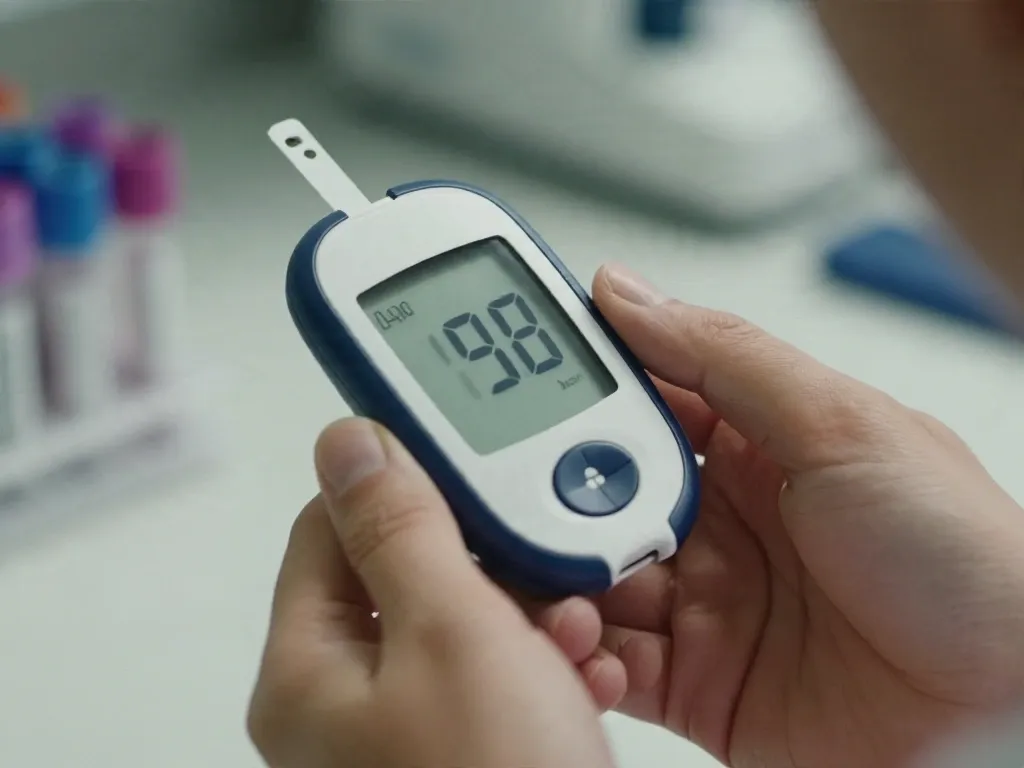
Fasting glucose refers to the level of glucose in the blood after a period of fasting, typically for at least eight hours. This test is commonly used to diagnose diabetes and monitor glucose levels in individuals with existing diabetes. Fasting glucose is measured in milligrams per deciliter (mg/dL) and provides a snapshot of how well the body manages glucose levels without the influence of food intake.
Testing Methodology for Fasting Glucose
To conduct a fasting glucose test, patients are required to refrain from eating or drinking anything other than water for at least eight hours prior to the test. Blood is then drawn, and the glucose level is measured. For example, a fasting glucose level below 100 mg/dL is considered normal, while levels between 100-125 mg/dL indicate prediabetes, and levels of 126 mg/dL or higher suggest diabetes.
Role of Fasting Glucose in Diagnosing Diabetes
Fasting glucose testing plays a crucial role in diagnosing diabetes. It is one of the primary tests used to assess metabolic health. If a patient's fasting glucose is consistently high, it can suggest insulin resistance or insufficient insulin production, both of which are critical factors in the development of type 2 diabetes. For instance, if an individual has a fasting glucose level of 130 mg/dL on two separate occasions, they are likely diagnosed with diabetes.
Comparative Analysis: A1C vs Fasting Glucose
Differences in Timeframe of Measurement
One of the primary differences between A1C and fasting glucose is the timeframe of measurement. A1C reflects average blood glucose levels over a period of two to three months, making it a valuable tool for assessing long-term glycemic control. In contrast, fasting glucose provides a snapshot of blood glucose levels at a single point in time after fasting. This can lead to variability; for instance, a person may have a normal fasting glucose level but poor long-term control indicated by an elevated A1C.
Variability and Reliability of Readings
A1C levels can be influenced by factors such as hemoglobin variants (like sickle cell disease), recent blood transfusions, and certain anemias, potentially leading to inaccurate assessments. On the other hand, fasting glucose levels can be affected by acute illness, stress, and medications, which can lead to fluctuations in readings. Therefore, while A1C provides a broader picture of glucose control, fasting glucose can offer immediate insights but may not reflect long-term trends accurately.
Situations Where Each Test is Preferred
Healthcare providers may prefer one test over the other based on the clinical context:
- A1C: Preferred for monitoring ongoing diabetes management, assessing treatment efficacy, and evaluating overall glucose control.
- Fasting Glucose: Preferred for initial diabetes screening and diagnosis, particularly when immediate results are needed. It is also useful in situations where A1C results may be skewed by underlying health conditions.
Interpreting A1C and Fasting Glucose Results
Understanding Normal and Abnormal Ranges
Understanding the ranges for A1C and fasting glucose is crucial for effective diabetes management:
- A1C Levels:Normal: Below 5.7%
- Prediabetes: 5.7% to 6.4%
- Diabetes: 6.5% or higher
Fasting Glucose Levels:
- Normal: Below 100 mg/dL
- Prediabetes: 100 to 125 mg/dL
- Diabetes: 126 mg/dL or higher
Implications of Elevated A1C vs Elevated Fasting Glucose
When interpreting elevated A1C and fasting glucose levels, the implications can differ. An elevated A1C may indicate chronic hyperglycemia and a need for adjustment in diabetes management strategies, such as medication changes or lifestyle modifications. In contrast, an elevated fasting glucose could suggest an acute episode of insulin resistance, necessitating immediate intervention, especially if the level is significantly high. For example, a patient with an A1C of 8% and a fasting glucose of 150 mg/dL may need a comprehensive review of their treatment plan.
How to Use Results for Personal Health Decisions
Patients should collaborate with healthcare providers to interpret their A1C and fasting glucose results effectively. Understanding these results can empower individuals to make informed decisions about dietary choices, physical activity, and medication adherence. For instance, a person with a rising A1C may focus on improving their diet and increasing exercise to help bring their levels down, while someone with elevated fasting glucose may need to monitor their levels more closely and consult their provider about potential medication adjustments.
Future Trends in Blood Glucose Monitoring
Advancements in Testing Technologies
The landscape of blood glucose monitoring is evolving rapidly. New technologies, such as smart glucose meters and continuous glucose monitoring (CGM) systems, are being developed to provide more accurate and real-time data. These advancements could reduce the reliance on traditional A1C and fasting glucose tests, allowing for more personalized diabetes management. For instance, devices like the Dexcom G6 provide real-time glucose data, enabling individuals to make immediate adjustments to their lifestyle or treatment plans.
Integration of A1C and Fasting Glucose in Patient Care
Healthcare providers are increasingly recognizing the importance of integrating both A1C and fasting glucose measurements into comprehensive diabetes care plans. This dual approach allows for a more nuanced understanding of a patient’s metabolic health. For example, a patient with stable A1C levels but fluctuating fasting glucose levels may need targeted interventions to address their immediate glucose spikes, indicating a multifaceted approach to diabetes management.
Potential for Continuous Glucose Monitoring Systems
As continuous glucose monitoring systems become more widely adopted, they hold the potential to transform diabetes management. These systems provide real-time feedback on glucose levels, allowing for proactive adjustments in diet and medication. This technology could minimize the need for periodic A1C and fasting glucose tests while still maintaining overall glycemic control. Furthermore, with the integration of data analytics, patients may receive personalized recommendations based on their glucose patterns, enhancing their ability to manage diabetes effectively.



Comments
No comments yet.
Leave a comment